Projects
On the map below, you'll find all our projects to date. Click the blue location icon to find sites/tours in your area.
We've collaborated with over 200 institutions from Poland and Europe


Our Projects
Projects we've completed recently

 App Store
 Google Play
Dom Rodzinny Ojca Świętego Jana Pawła II
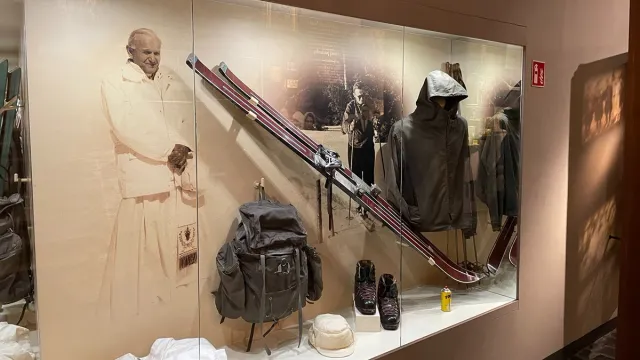
The Holy Father John Paul II Family Home (Dom Rodzinny Ojca Świętego Jana Pawła II) is located in a townhouse at 7 Kościelna Street in Wadowice. Karol Wojtyła was born in a first-floor flat here on 18 May 1920 and lived in the building until 1938, when he moved to Kraków with his father. The museum has been open here since 1984.
We created a mobile app for Android and iOS phones that works as an audio guide to the museum, and we also supplied an audio guide system. The recordings lead visitors through the exhibition – from the Wojtyła family’s former flat with its family mementoes to the rooms presenting the life and work of Karol Wojtyła – John Paul II.
The audio guide is available in Polish, English, Ukrainian, French, Spanish, Italian, Portuguese, Slovak and Hungarian, as well as in a version with audio description for blind and partially sighted visitors.

Muzeum Wojska Polskiego w Warszawie
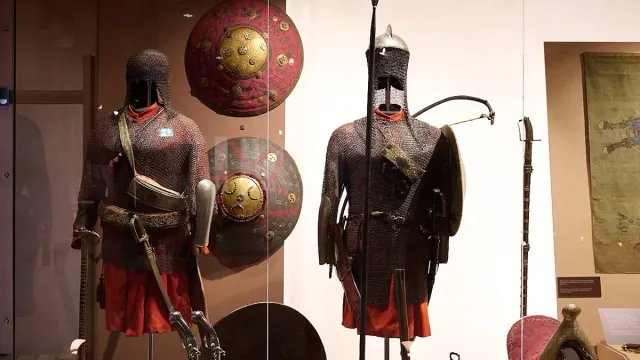
The Muzeum Wojska Polskiego (Polish Army Museum) in Warsaw was founded in 1920 by decree of Józef Piłsudski and first opened to visitors in 1922. Its collections document more than a thousand years of the history of Polish arms and soldiers and comprise over 300,000 items.
We created a mobile app for Android and iOS phones that works as an audio guide to the museum. The recordings lead visitors through the exhibition and present the most interesting exhibits, so the museum can be explored at your own pace.
The audio guide also includes audio description for blind and partially sighted visitors.
Muzeum Przemysłu Naftowego i Gazowniczego w Bóbrce
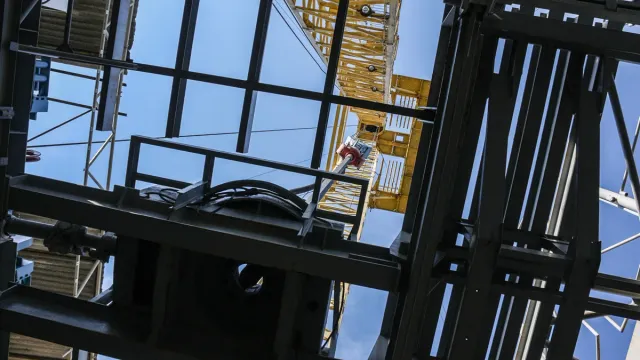
Few people know that the dazzling global career of crude oil began not in the United States, not in Russia, and certainly not in one of the Persian Gulf countries, but in Poland. The breakthrough came in the mid-19th century, when Ignacy Łukasiewicz, a scientist from Galicia, invented the kerosene lamp and soon afterwards launched the first oil mines and a refinery. History took off at a gallop!
We learn about these events while walking with the audio guide around the Ignacy Łukasiewicz Museum of the Oil and Gas Industry in Bóbrka near Rzeszów. However, the audio guide introduces us not only to the earliest past of the oil industry but also to its dynamic development in the 20th century. During the tour we will encounter remarkable figures, stories straight out of a novel and machines found nowhere else.

Muzeum Narodowe - Zamek w Lublinie

Centrum Przyrodniczo-Edukacyjne Brama w Gorce
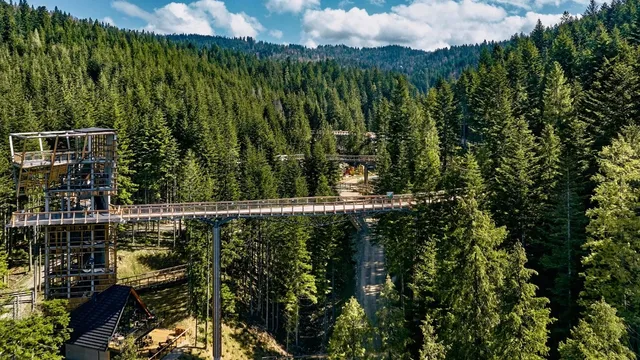
Brama w Gorce in Waksmund is a unique place on the threshold of the Gorce Mountains, where nature meets modern education. The nature and education centre offers, among other things, a treetop walk with observation towers, an underground tunnel with a geological presentation, multimedia exhibitions and an educational trail leading through the surrounding area.
The audio guide helps you make the most of your visit. It tells of the nature, landscape and heritage of the Gorce region, turning a walk into a fascinating lesson for adults and children alike. You explore at your own pace, and stories tailored to each successive spot will help you get to know the Gorce Mountains better.
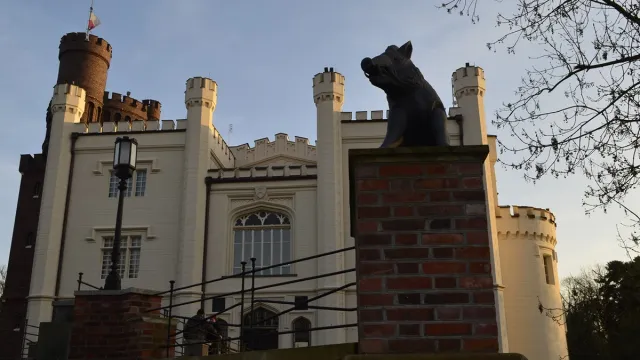

Zamek w Kórniku
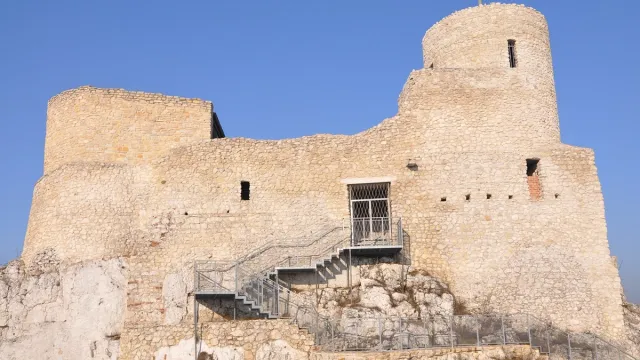

Zamek Rabsztyn
A walk around the Castle with the audio guide lets you discover the extraordinary history of this beautiful ruin. The audio guide is available in 4 language versions. A mobile app can also be used at the Museum.
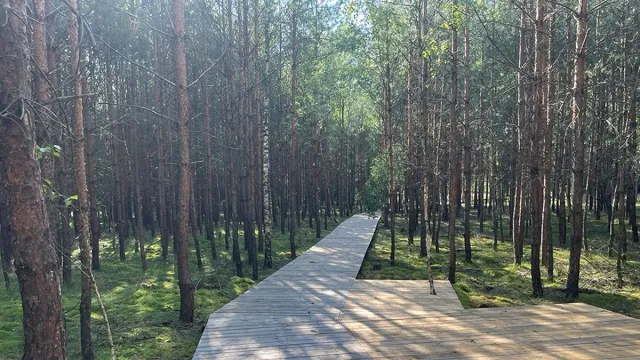

Stobnica - Ścieżka Edukacyjna
Stobnica, in the Oborniki municipality, lies on the edge of the Noteć Forest (Puszcza Notecka) – one of the largest forest complexes in Poland. In recent years the village has become known throughout the country thanks to the castle rising on an artificial island, which attracts enormous interest.
The educational trail with an audio guide lets you hear about the castle's secrets and get to know the surrounding nature. The app is available on the App Store and Google Play.
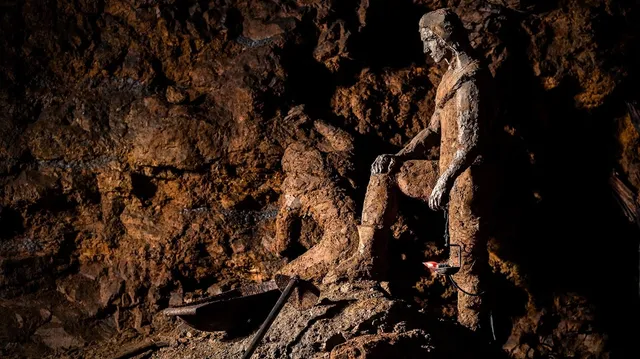

Kopalnia Srebra UNESCO w Tarnowskich Górach
The Zabytkowa Kopalnia Srebra (Historic Silver Mine) in Tarnowskie Góry, inscribed on the UNESCO World Heritage List in 2017, is a former silver and lead ore mine opened to visitors in 1976. The route leads through the mining museum above ground and then 40 metres underground – through the Silver Chamber, the Collapse Chamber and a low gallery – all the way to a 270-metre boat trip. Nearby, in Repty Park (Park Repecki), lies the Sztolnia Czarnego Pstrąga (Black Trout Adit), one of the longest underground boat routes in Europe.
We prepared a mobile app for Android and iOS with an audio guide to both sites. Nearly 30 recordings lead from the mine's foyer through the museum rooms and the entire underground route, telling the story of the old miners, galena mining and the region's mining traditions. The app is available in Polish, English, German, Czech, Ukrainian and Russian and includes a version with audio description, and in 2026 we prepared further language versions: Spanish, French, Italian, Lithuanian, Arabic and Japanese.
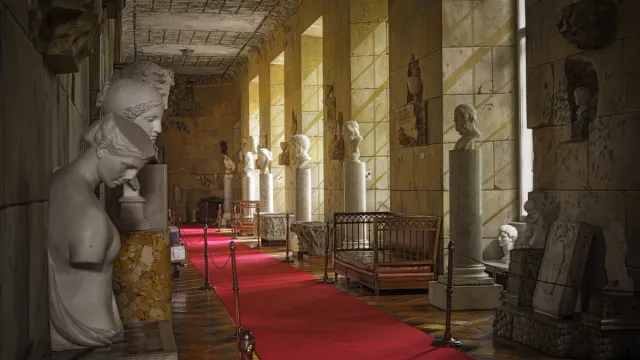

Muzeum - Zamek w Łańcucie
Audioguide App – Explore Łańcut Castle with a Narrator in Multiple Languages Łańcut Castle, one of the most beautiful aristocratic residences in Poland, was built in the 17th century by the Lubomirski family. However, it was the Potocki family who brought it to its true glory. Both families belonged to the elite of old Europe, and successive owners of the castle lived in luxury worthy of crowned heads. Exploring the castle with our audioguide is a unique journey through its interiors – the ground floor, first, and second floors of the residence. The magnificent rooms represent different artistic periods and impress with their original architectural design. Along the tour, visitors can admire exquisite furniture, valuable tableware and treasures, as well as preserved floors, stoves, and impressive works of art by artists from Poland and around the world. With the narrated guide, you will discover fascinating stories about the castle’s former owners, their extraordinary lives, and everyday customs – you will even get a peek into their bathrooms! After touring the castle, we also invite you to visit the stables and carriage house, home to the Museum Vehicle Collection – one of the most extensive exhibitions of its kind. The audioguide app allows visitors to explore in multiple languages: Polish, English, German, Russian, and Ukrainian. For those who prefer not to use the app, dedicated audioguides are available for rental at the museum. These devices provide a comfortable way to discover the castle’s history through professionally recorded narrations in your chosen language.
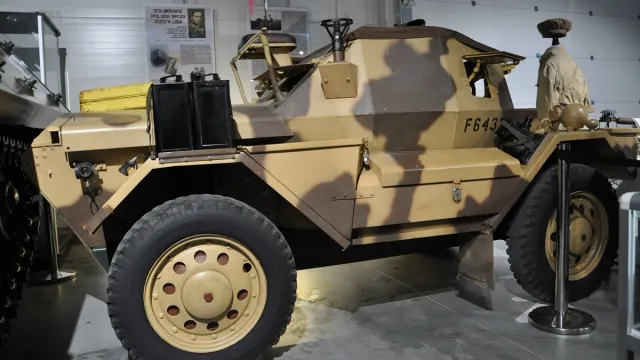

Muzeum Broni Pancernej w Poznaniu
Muzeum Broni Pancernej (the Armoured Weapons Museum) in Poznań is a branch of the Polish Army Museum in Warsaw. Its collection, assembled since the 1960s, has been displayed since 2019 in a new home near Ławica Airport, covering almost 6,000 m². Among its several dozen vehicles is the world's only complete, running Sturmgeschütz IV self-propelled gun.
We prepared a mobile app for Android and iOS phones that works as an audio guide to the museum. The recordings lead visitors through the exhibition and tell the story of the tanks, armoured personnel carriers and other vehicles.
The audio guide is available in Polish and English, as well as in a version with audio description for blind and partially sighted visitors.
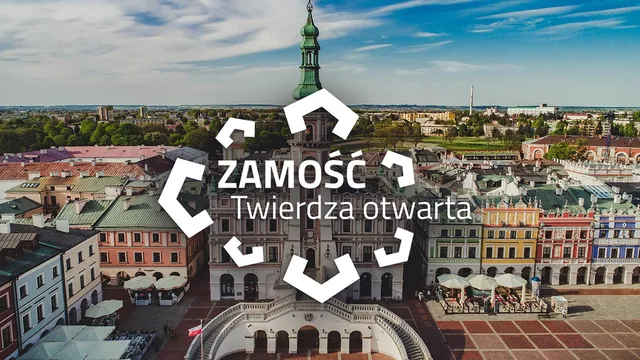

Spacer po Zamościu
An hour-long walk around Zamość's Old Town takes us back to distant times and lets us admire historic monuments that the most beautiful cities of sunny Italy would not be ashamed of.
We begin the tour at the town hall in the charming Market Square. There we learn about the beginnings of the town and also admire the colourful Armenian townhouses.
The audio guide then leads us through the streets around the Market Square along a fairly short loop. Along the route are, among other things, a distinctive synagogue, the monumental cathedral, the Art Nouveau townhouse where the wonderful poet Bolesław Leśmian lived, and Marek Grechuta's family home.
Of course, everything is overseen by the town's founder, Hetman Jan Zamojski, whose equestrian statue we will see next to the cathedral.
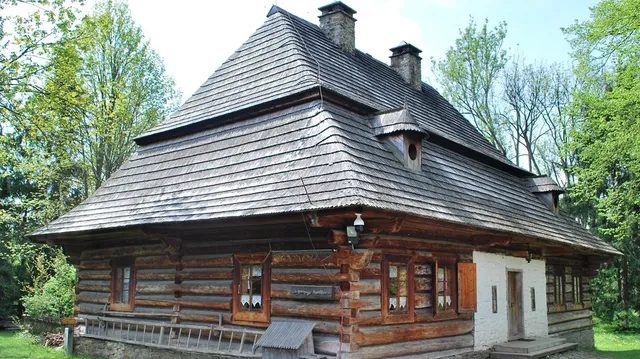

Orawski Park Etnograficzny w Zubrzycy Górnej
The Orawski Park Etnograficzny (Orava Ethnographic Park) in Zubrzyca Górna is an open-air museum presenting the traditional architecture and everyday life of the people of Orava. At its heart stands the Moniak manor house, the oldest part of which dates from the 17th century. Around it are cottages, a forge, a sawmill, a fulling mill, an oil mill and an apiary. The museum opened in 1955.
We created a mobile app for Android and iOS phones that works as an audio guide to the open-air museum. The recordings lead visitors from building to building and introduce the history of the region and the traditional occupations of its inhabitants – at their own pace.
The audio guide is available in Polish, English and Slovak, as well as in a version with audio description for blind and partially sighted visitors and in Polish Sign Language.
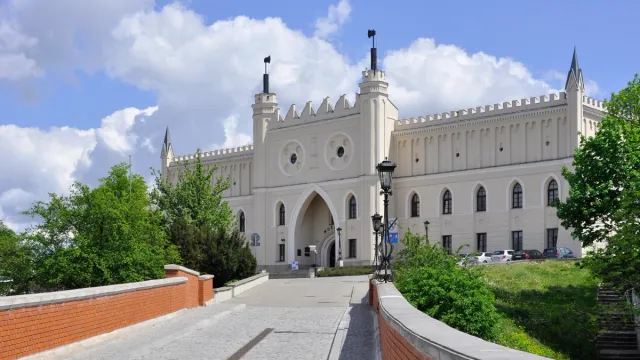
Lublin Stare Miasto
Want to get to know Lublin but short on time because you have only dropped into the city for a moment? We have prepared an audio guide just for you that will win you over to Lublin's Old Town in an hour.
The route begins and ends on Jezuicka Street, home to the Lublin Tourist and Cultural Information Centre. The audio guide gets straight to the point and leads you to Lublin's most important sights, such as the Market Square, the Dominican church, the picturesque city gates and the cathedral.
The story is short but very informative. After a walk with this audio guide, everyone is sure to feel like exploring the city in the company of our other audio guides.
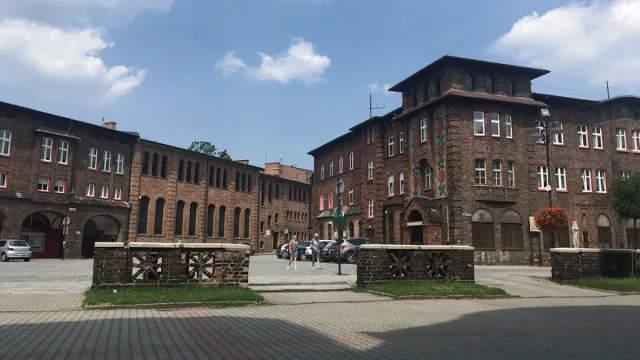

Katowice - City Break
Katowice is a city that has undergone a remarkable transformation in recent years. Alongside traces of its industrial past and atmospheric districts such as Nikiszowiec, you will find the modern architecture of the Culture Zone, numerous museums and the bustling streets of the city centre. It is the perfect destination for a short city break.
The Katowice City Break app is a guide to the most interesting places in Katowice in the form of themed walks. Choose the route that interests you and explore the city at your own pace. The app can be downloaded from the App Store and Google Play.
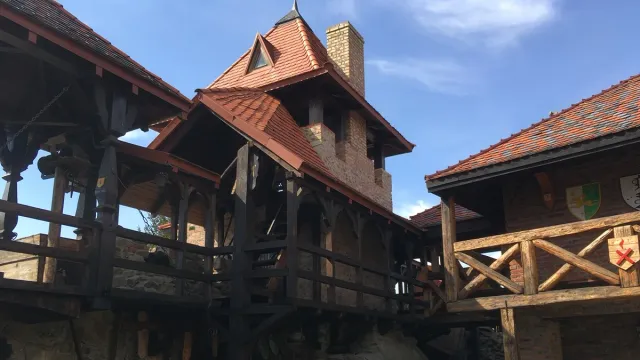
Zamek Stara Baśń w Grybowie
Stara Baśń (Old Fairy Tale Castle) in Grybów is a reconstruction of a medieval fortified stronghold, inspired by the history of the Sącz region and the Tatar-Mongol invasions. Behind its stone walls with towers, a drawbridge and galleries, visitors will find the Dragon Tower, the Princess Tower, a banquet hall, a bread oven, the executioner's post and a well which, according to legend, led to underground tunnels and the khan's treasure.
We prepared a mobile app for Android and iOS in which visitors are guided by a narrator together with Grynboss the dragon – head of the dragon family and of the castle guard – and young Jacuś. Recordings with sound effects and music lead through over a dozen stops in Polish, English, Ukrainian and German, and versions with audio description make the visit easier for blind and partially sighted people. We launched the first version of the app in 2019 and expanded it with new languages in the following years.
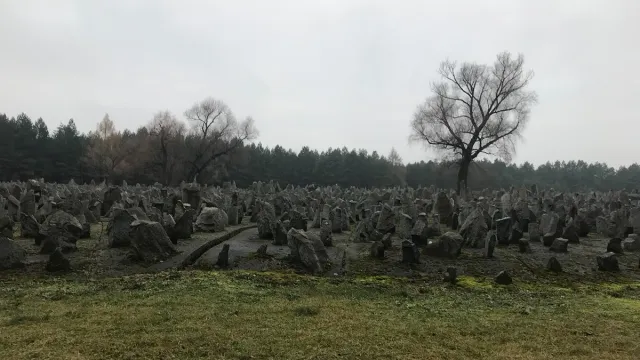

Obóz Zagłady Treblinka II
Treblinka II was a German Nazi extermination camp that operated from July 1942 to November 1943. Around 800,000–900,000 Jews were murdered there, mostly from Poland but also from other European countries. On 2 August 1943 the prisoners staged a revolt in the camp. Today the site is commemorated by a monument surrounded by a symbolic cemetery of around 17,000 stones.
The audio guide, in the form of a mobile app for Android and iOS phones, leads visitors around the site of the former camp and presents its history and the fate of its victims. It allows the memorial to be visited independently, at your own pace.
The app is available in Polish, English, German and Hebrew.
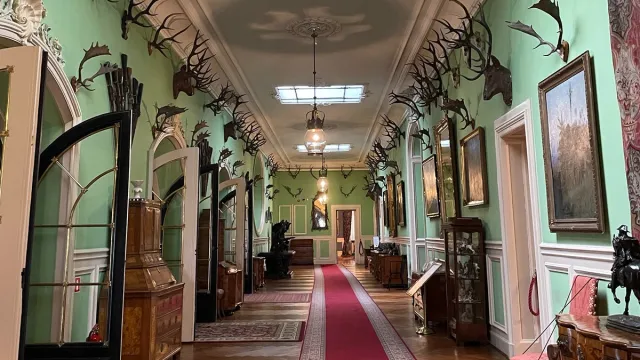

Muzeum Zamkowe w Pszczynie
Pszczyna is a small Silesian town with a charming market square, next to which stands a magnificent castle surrounded by an extensive park. The castle is counted among the most beautiful not only in Silesia, but in the whole of Poland!
A walk through the castle with the audio guide lets you discover not only the castle's remarkably beautiful interiors, but also the history of those who once lived in them – the Promnitz, Anhalt and Hochberg families, members of the German aristocracy.
The wealth and splendour of the Pszczyna chambers are famous, and no less well known is the figure of Maria Teresa Oliwia Hochberg von Pless, Princess of Pless, known to those closest to her as Daisy. Her striking portraits are well worth seeing, so you can judge with your own eyes whether the opinions of her dazzling beauty were exaggerated.
You can also meet the princess in the Pszczyna Market Square, where she has sat down on a bench in the form of a sculpture.
The audio guide is available in 5 language versions.
In Pszczyna you can also rent six other audio guides, which take you around the Old Town, in the footsteps of Pszczyna's Jews and through the European Bison Show Enclosure.
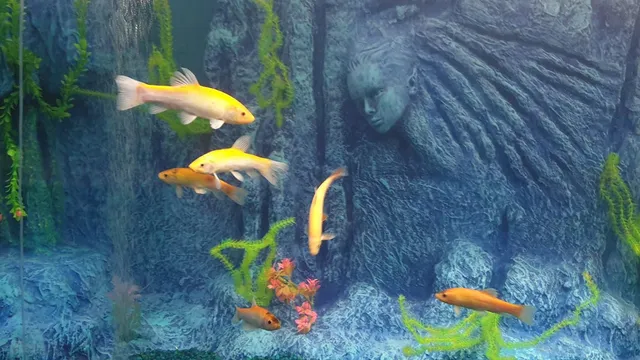

Zakopane - Podwodny Świat
Podwodny Świat (Underwater World) in Zakopane is the perfect place for a family outing with an educational twist. A mountain stream with swimming trout, Mexican caves, Malawi, the Amazon, a turtle island and a huge formicarium where the ants' underground tunnels are visible – these are just some of the things you can see here.
The audio guide in the app lets you explore the exhibition at your own pace and learn lots of fascinating facts about its inhabitants. The app is available on the App Store and Google Play.
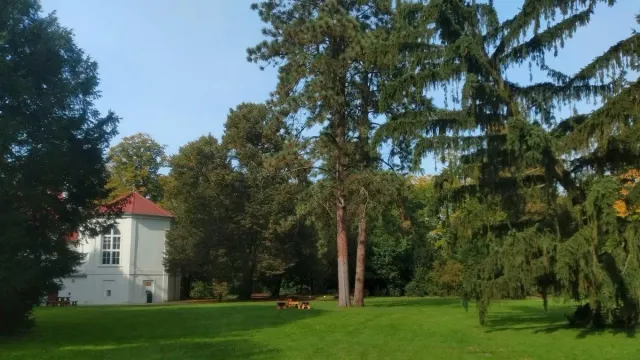
Arboretum Kórnickie
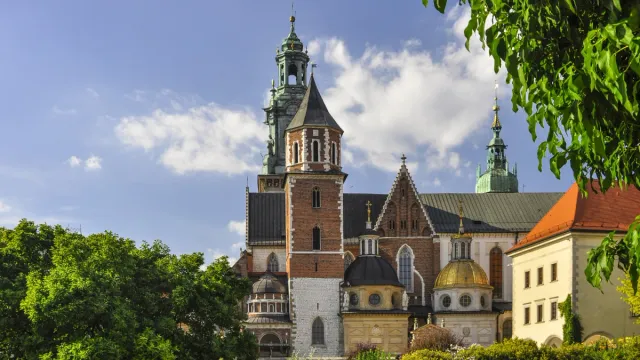
Katedra Królewska na Wawelu
Visiting Wawel Cathedral is a great experience – after all, the church is a memento of the splendour of old Poland. Together we discover its religious treasures, such as the reliquary of St Stanislaus and the cross of the holy Queen Jadwiga, we stand in the place where Polish kings were crowned and we admire their magnificent tombs.
Together we also climb the church tower to touch the most famous Polish bell – the five-hundred-year-old “Sigismund” – and admire the panorama of Kraków.
Finally, we descend underground, where Polish rulers, heroes and national bards are buried in the crypts.
The audio guide to Wawel Cathedral is available in 10 language versions.
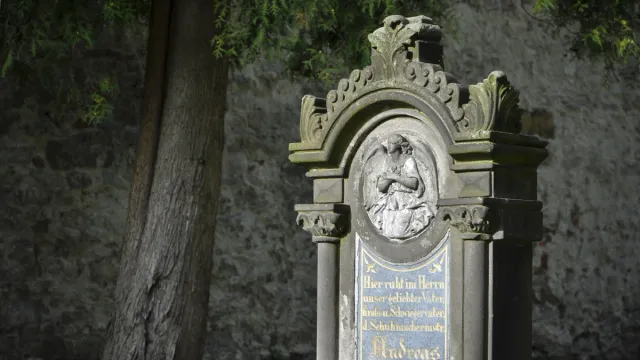

Pocysterskie Opactwo w Krzeszowie
Krzeszów lies in Lower Silesia, right by the border with the Czech Republic. In the Middle Ages, one of the Piast dukes chose this charming spot, surrounded by the hills of the Sudetes, as the seat of a Cistercian abbey and a ducal necropolis. Over time, the monks erected magnificent churches and monastery buildings.
We begin the audio-guided tour at the monumental Basilica of the Assumption of the Blessed Virgin Mary. Inside the church we learn about the history of the abbey while admiring the magnificent Rococo sculptures, stuccowork and paintings.
Later we look into, among other places, the mausoleum of the Piasts of Świdnica-Jawor, the churchyard cemetery and the auxiliary Church of St Joseph.
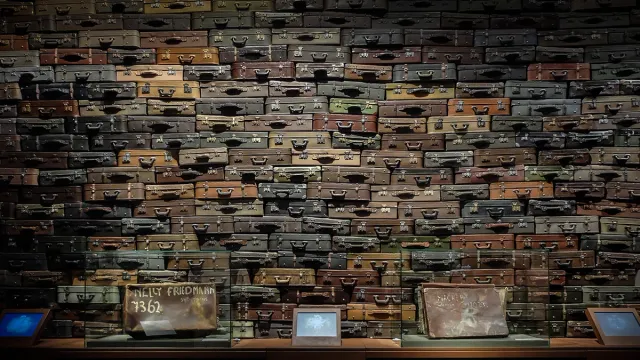

Muzeum II Wojny Światowej w Gdańsku
The Museum of the Second World War in Gdańsk makes a tremendous impression even from the outside, resembling a huge piece of shrapnel driven into the ground a few dozen metres from the Martwa Wisła river. Yet no one even suspects that the exhibition is located in an even more exciting place, a dozen or so storeys underground. That is where we wander with the audio guide, learning about the nightmare of the years 1939–1945.
After passing through the gates, we find ourselves in a long corridor with smooth concrete walls. Immediately afterwards, the audio guide invites us to the first of many film screenings, after which the walk begins – from room to room, from one valuable exhibit to an even more valuable one.
The audio guide is not intrusive; instead, it introduces us to those events, to that nightmare, probably the greatest in the history of humankind. It is up to visitors to decide whether they want to delve deeply into the military history of the war or face up to the theme of all-pervasive terror.

Ochotnica&Tylmanowa
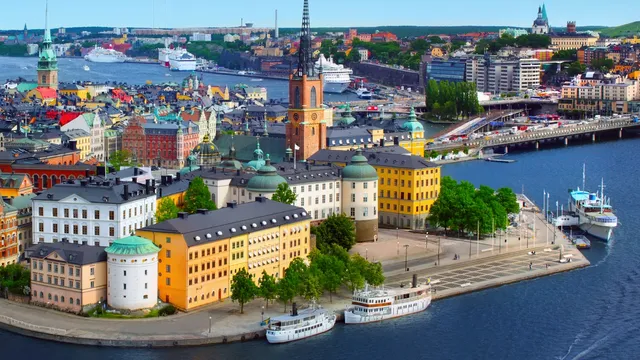
Sztokholm - Wycieczka objazdowa melexami
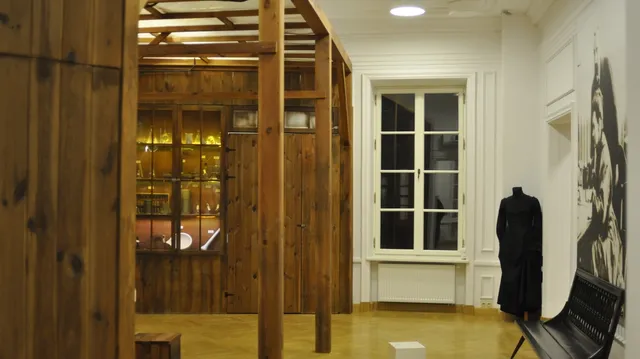
Muzeum Marii Skłodowskiej-Curie w Warszawie
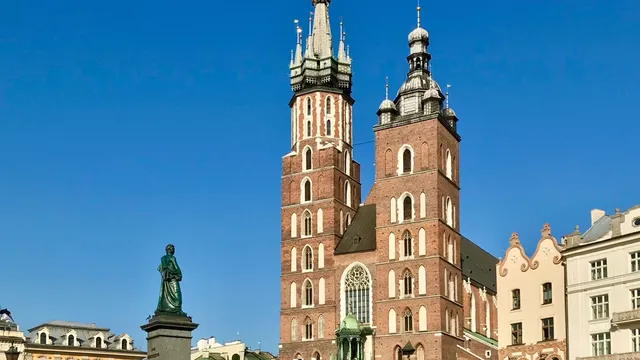

Spacer po Starym Mieście w Krakowie
Kraków's Old Town, inscribed on the UNESCO World Heritage List, is one of the most beautiful places in Europe. We begin our walk in the middle of Europe's largest market square, by the Gothic St Mary's Church, where with a bit of luck you will hear the bugle call (hejnał) played from the tower.
The app will guide you past the Cloth Hall and the little Church of St Adalbert, along Floriańska Street to St Florian's Gate and the Barbican, and then back to the Market Square along St John's Street. We end the tour in the courtyard of Collegium Maius – a gem of medieval architecture. You can download the audio guide from the App Store and Google Play.
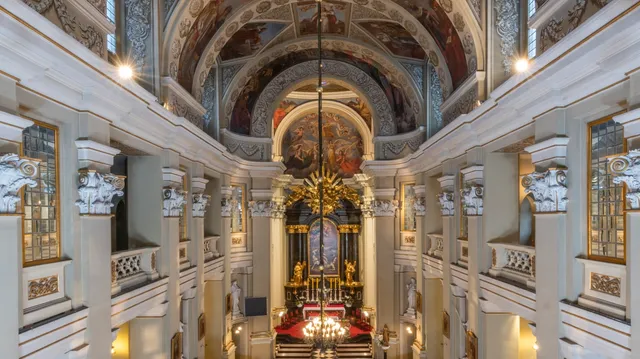
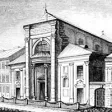
Kraków Kościół nawrócenia św. Pawła
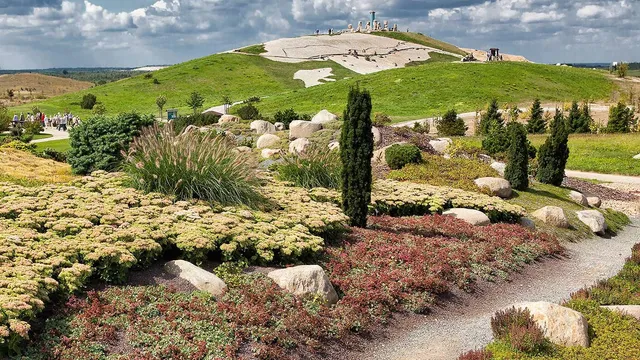

Park Głazów Narzutowych w Nochten - Niemcy
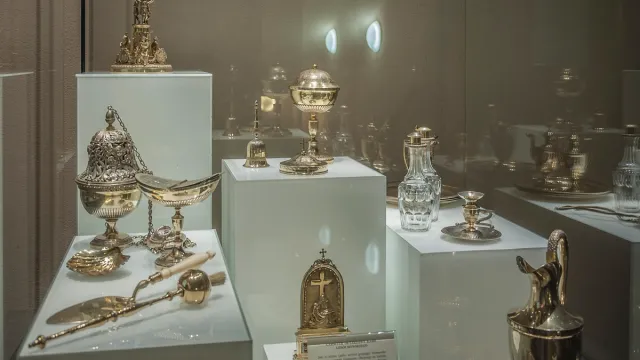
Muzeum Archidiecezji w Gnieźnie
The Museum of the Archdiocese of Gniezno, housed in buildings close to the Primatial Basilica, is the former cathedral treasury, one of the richest in Poland. You can see this for yourself by exploring its interiors with the audio guide.
We begin our walk through the museum in a room with a striking Gothic altarpiece – a polyptych. It makes a great impression, but in the following rooms it gets… even more interesting.
Visitors have the opportunity to see, among other things, the oldest Romanesque chalices and rings in Poland, centuries-old liturgical vestments and other objects used in divine worship.
A separate room displays the very precious reliquaries of St Adalbert.
The collection of Old Polish coffin portraits is exceptionally rich, and the audio guide's account of our ancestors' funeral traditions is sure to astonish many visitors.
It is hard to showcase all the museum's treasures – you simply have to see them for yourself!
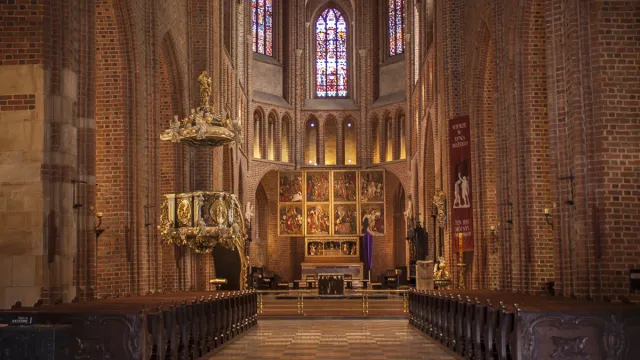
Bazylika Archikatedralna na Ostrowie Tumskim
More than a thousand years ago, Poznań was one of the main centres of the emerging Polish state. On its Ostrów Tumski (Cathedral Island), a palatium – the seat of the Piast duke – was built at that time, among other things, as well as the first Polish cathedral, which, after numerous rebuildings, still stands today and serves the faithful as the Archcathedral Basilica of the Holy Apostles Peter and Paul.
The basilica is a beautiful Gothic building. Its interior holds a wealth of valuable treasures, including the famous bronze tomb slabs from the Vischer workshop, a medieval high altar in the form of a polyptych, and bishops' tombs and epitaphs. It is worth remembering that the cathedral is the burial place of kings and princes of the Piast dynasty. The Golden Chapel, with the sarcophagus of Mieszko I and Bolesław the Brave, makes a great impression.
The audio guide also takes you to the church's underground, where you can see, among other things, the probable site of Mieszko I's baptism and a crypt with the coffins of the bishops of Poznań.
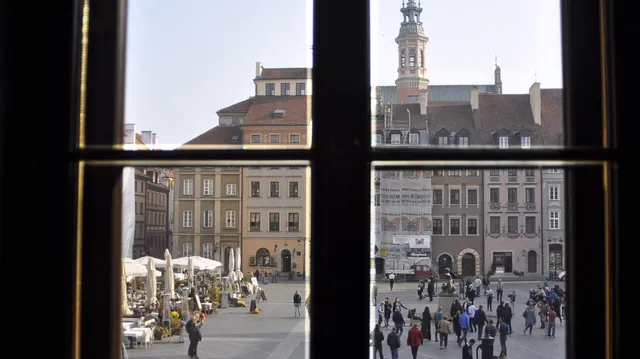
Muzeum Warszawy
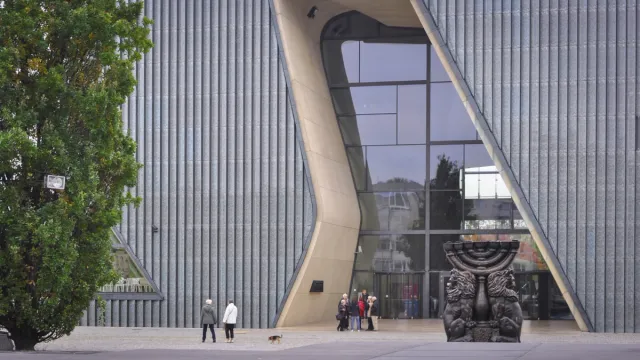

Muzeum Historii Żydów Polskich POLIN w Warszawie
The Museum of Polish Jews in Warsaw was ceremonially opened in 2014. It is located in Muranów, at the heart of the former Jewish district. Right next to it stands the Monument to the Ghetto Heroes. In its very first year, the museum welcomed more than 350,000 visitors. Most of them explored the exhibition using audio guides.
Polin is the name of Poland in Yiddish and Hebrew. The first Jews came to the Vistula around the year 1000, and in later centuries Poland became their main European home. So it remained until the Holocaust.
The museum's exhibition presents the thousand-year history of the Jewish presence in Poland on an astonishing scale. The building itself – the home of Polin – inspires admiration, and not only among specialists. The audio guide begins with a walk through an ancient forest and then leads through the twists and turns of events, at times better, at times worse for Polish Jews. We visit an old market town, a throne room, a railway station waiting room and a street of a pre-war city, and we can admire the fabulously colourful interior of a 17th-century synagogue. In quiet reflection, we learn about the history of the 20th century.
The ceremonial opening of the core exhibition was preceded by the opening of the museum building itself. Even then, guests could see a temporary exhibition using audio guides prepared by Audiotour.
Muzeum Wincentego Witosa w Wierzchosławicach
Muzeum Emigracji w Gdyni
Świętokrzyskie Parki Krajobrazowe
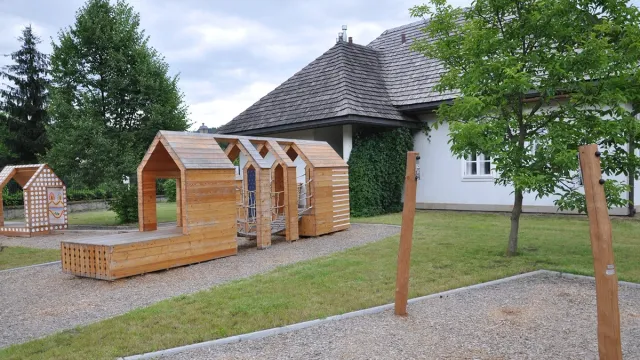

Miasteczko Galicyjskie w Nowym Sączu
Miasteczko Galicyjskie (the Galician Town) is part of the Sądecki Park Etnograficzny (Nowy Sącz Ethnographic Park), opened in 2011. It recreates the small-town architecture of Galicia from the turn of the 20th century – among its buildings are a town hall modelled on an unrealised design for the town hall in Stary Sącz, a watchmaker’s workshop and a photographer’s studio.
We created a mobile app for Android and iOS phones that works as an audio guide to the town. The recordings let visitors explore at their own pace and tell the story of each building.
The app includes audio description for blind and partially sighted visitors and a version in Polish Sign Language, and the recordings are available in Polish and English, among other languages.
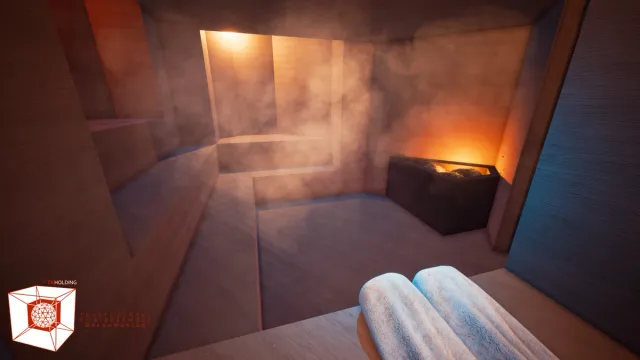

Fabryka Wody w Szczecinie
Fabryka Wody (Water Factory) is one of the most modern aquatic complexes in Poland. The Szczecin facility combines recreation, sport and science – alongside swimming pools and an extensive sauna area, you will also find the Edukatorium, a space devoted entirely to water and its remarkable properties. The building's architecture and eco-friendly solutions have been recognised in international competitions.
Visitors are guided by audio guides – handy devices equipped with an additional display on which photos and supplementary information appear alongside the audio commentary. The guide explains where water comes from, how we purify it and why it is worth looking after. It is a great idea for a family visit that combines fun with learning.
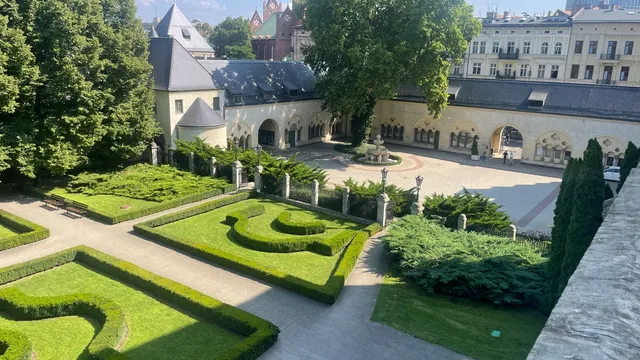
Zamek Cesarski w Poznaniu

Muzeum Katyńskie w Warszawie
"Only the unbending buttons survived death, witnesses of the crime" – wrote Zbigniew Herbert in a poem dedicated to Edward Herbert, who was murdered in Katyn. A visit to the Katyn Museum, however, shows that thousands of mementoes have survived, and with them the memory of more than 20,000 Polish citizens murdered by the Soviet NKVD in 1940 in Katyn and other killing sites.
The new Katyn Museum was ceremonially opened in 2015. It is housed within the brick walls of a 19th-century caponier of the Warsaw Citadel.
The audio guide begins with the joyful moments of Poland regaining its independence and the struggles for its borders, including the war with Bolshevik Russia. We then journey through the period of the Second Polish Republic, up to its carving-up by the Third Reich and the Soviet Union. At this point the audio guide brings us to the crime itself – how it was planned and carried out.
But that is not all. Next, we learn the story of the so-called Katyn lie and of the brave people who fought for the truth.
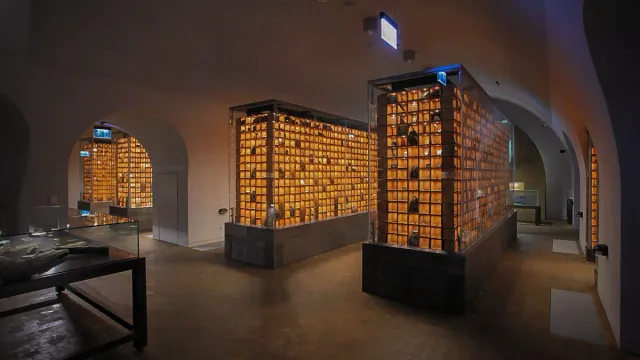
Once we know about the crime, the audio guide takes us to a sanctuary of sorts – a place with reliquaries displaying thousands of objects that belonged to the victims and were recovered from the death pits. It is a deeply harrowing experience!
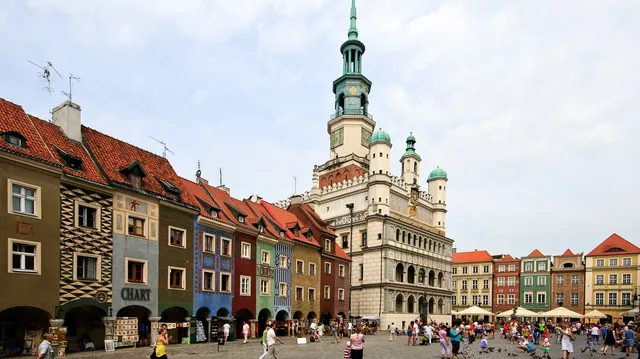

Spacer po Starym Mieście w Poznaniu
Poznań is one of the oldest and most beautiful Polish cities. Strolling through its centre, we will see many interesting historic sites, and we also have the chance to taste a Poznań delicacy – the St. Martin's croissant.
The audio guide route begins in the very heart of the city – on the Old Market Square, next to the Renaissance town hall, on whose tower you can spot the famous clock with tin goats that butt heads every day at 12:00.
Continuing on, we admire historic tenement houses, palaces, monuments and churches. We end the tour in front of the Franciscan church.
Tarnów Muzeum Okręgowe


WEMI - Wyprawy, emocje, miejsca, inspiracje
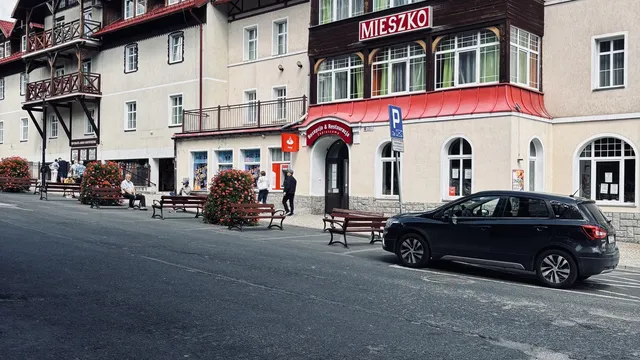
Karpacz wycieczka kolejką
Karpacz is one of the most popular resorts in the Karkonosze Mountains – set at the foot of Śnieżka, full of historic sites, viewpoints and mountain attractions. The most comfortable way to discover it is to take a seat on the tourist train and let the route unfold before your eyes.
For the train operator, we developed an app that plays commentary for passengers during the ride. The recordings tell the story of the places along the way, the town's history and its most interesting corners, and they start automatically thanks to GPS positioning – exactly when the train reaches the next point on the route. Passengers can simply sit back and listen.
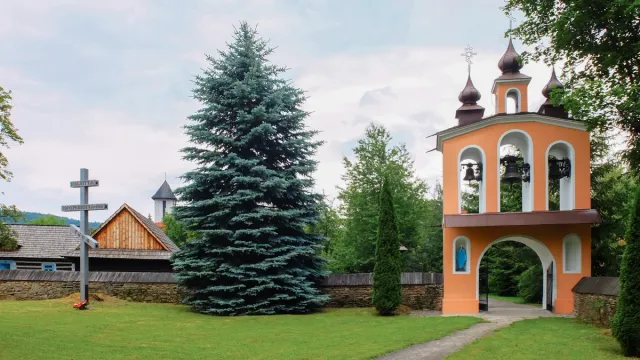
Zagroda Maziarska w Łosiu
Łosie is a large village in the Low Beskids, right on the border with Slovakia. Until almost the middle of the last century, it was inhabited mainly by Lemkos, followers of Eastern-rite Christianity. Many of them practised an unusual trade, no longer found today, known as "maziarstwo" – grease-making. A visit to the Grease-Makers' Homestead is the only chance to get to know it more closely!
What was maziarstwo? It was the production and itinerant sale of "maź", a grease made from tar and crude oil, which was used, for instance, to lubricate cart axles or as a cure-all remedy. The grease-makers of Łosie travelled all over Central Europe, amassing considerable fortunes.
The Grease-Makers' Homestead consists of a typical Lemko cottage, a carriage house and a farm building. The audio guide takes visitors through the exhibition rooms in the cottage, explaining how the grease was produced and distributed. With the audio guide, we also look into the carriage house to see an authentic grease-maker's wagon. On top of that, the audio guide leads tourists to the nearby Greek Catholic church...
Nadwiślański Park Etnograficzny w Wygiełzowie
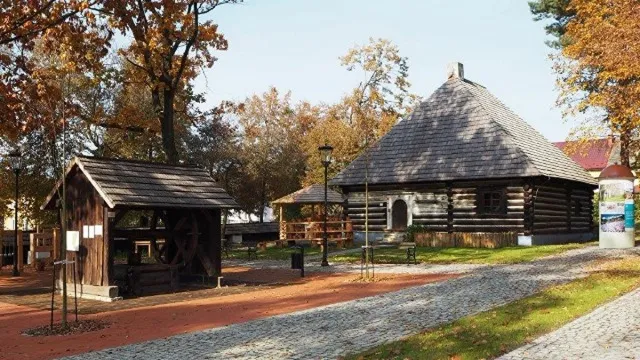
The Nadwiślański Park Etnograficzny (Vistula Ethnographic Park) in Wygiełzów is an open-air museum at the foot of a wooded hill crowned by the ruins of Lipowiec Castle. Spread over more than 5 hectares, it brings together 25 wooden buildings, mostly in the architectural style of the Western Kraków region – including cottages, a smithy and an oil mill, as well as a church from Ryczów dating from 1623 and the larch-wood manor house of the Bzowski family from Droginia, built in 1730.
We created a mobile app for Android and iOS phones that works as an audio guide to the open-air museum. The recordings tell the story of individual buildings and of everyday village life in the past, and visitors can explore at their own pace.
The audio guide is available in Polish, English and Slovak, in a version with audio description for blind and partially sighted visitors, and in Polish Sign Language.

Centralne Muzeum Pożarnictwa w Mysłowicach
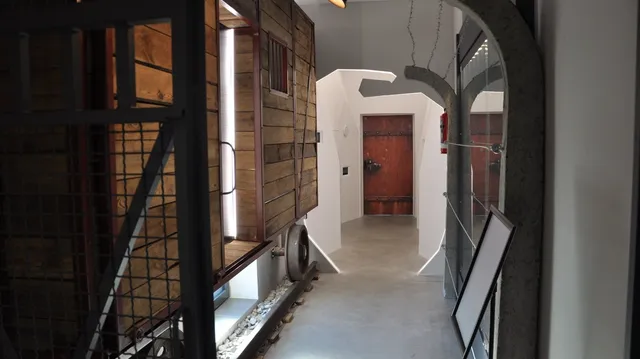
Regionalne Centrum Edukacji o Pamięci w Tarnowie
The Regionalne Centrum Edukacji o Pamięci (Regional Centre for Remembrance Education) in Tarnów is a branch of the District Museum in Tarnów, opened in 2021. Its mission is to restore and pass on the memory of difficult chapters of Polish history, with particular emphasis on the history of the Home Army (Armia Krajowa) units that operated in the region.
The audio guide helps visitors explore the exhibition at their own pace and better understand the fates of the people whose stories it tells. It is a place well worth visiting both individually and with a school group.
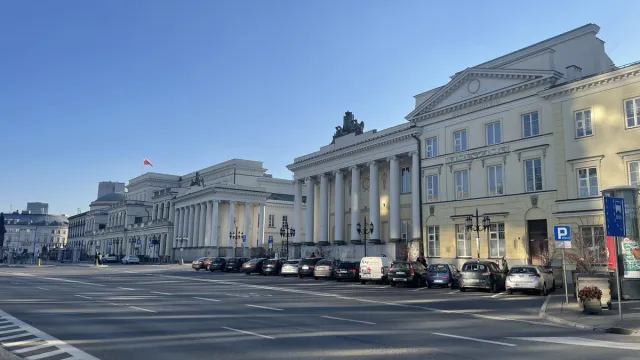

Za Głosem Giełdy - Gra miejska
Did you know that the history of the Warsaw stock exchange goes back more than two hundred years? The Za Głosem Giełdy (Following the Voice of the Exchange) city game, created by the GPW Foundation and the Warsaw Stock Exchange (GPW), shows how closely the exchange is tied to the capital. The route starts at Piłsudski Square, where the first exchange was housed in the Saxon Palace, and ends at the current GPW headquarters on Książęca Street.
Along the way, at the successive former seats of the exchange and institutions linked to the capital market, the story is told by a stockbroker of old. The free app, available on Google Play and the App Store, turns a walk of about an hour and a half into an educational adventure – on your own, with family, friends or your class.
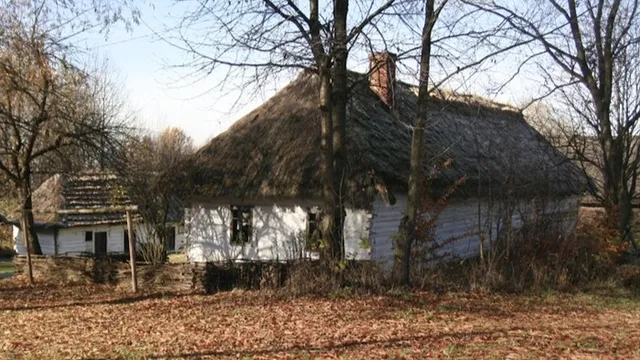
Sądecki Park Etnograficzny - Muzeum Ziemi Sądeckiej
The Sądecki Park Etnograficzny (Nowy Sącz Ethnographic Park) in Nowy Sącz, run by the Muzeum Ziemi Sądeckiej (Museum of the Sącz Land), is one of the most fascinating open-air museums in Poland. It showcases the wooden architecture and traditional culture of the four ethnographic groups of the Sącz region: the Sącz Lachs, the Pogórzanie, the Sącz Highlanders and the Lemkos. Among its dozens of buildings are peasant farmsteads, a nobleman's manor house, a Lemko Eastern-rite church and old craft workshops.
The audio guide leads you through the open-air museum, telling the story of the everyday life, work and customs of the region's former inhabitants. With it, a stroll between the farmsteads becomes a true journey back in time.


MTW Gryf
The Gryf Museum of Military Technology in Dąbrówka, Pomerania, is a paradise for military enthusiasts. Housed in former barracks, it brings together more than a hundred military vehicles – tanks, armoured carriers and cars – as well as artillery, weapons and uniforms. What makes it unique is that many of the exhibits are in working order and can be seen in action.
The audio guide helps you find your way around the extensive collection and tells the stories behind individual exhibits: what they were used for, where they were made and what role they played. Thanks to it, even visitors who have never been interested in military technology will leave the museum with a wealth of new knowledge.
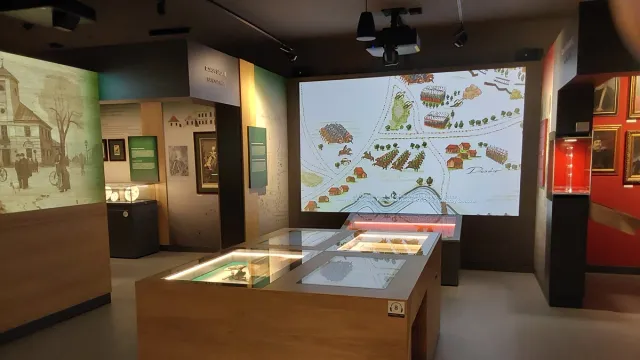

Muzeum Piaseczna
Muzeum Piaseczna, the museum of Piaseczno, is a young institution, established by the municipality to research, protect and popularise the history of the town and its surroundings. At its heart is the permanent exhibition “Piaseczno – From Its Origins to the Present Day”, housed in the renovated Old Rectory (Stara Plebania) building.
The audio guide lets you walk through Piaseczno's past at your own pace – from the earliest times, through the years when the small town grew, to the present day. The narration complements the exhibits with stories of people and places, making the visit interesting for residents and visitors alike.
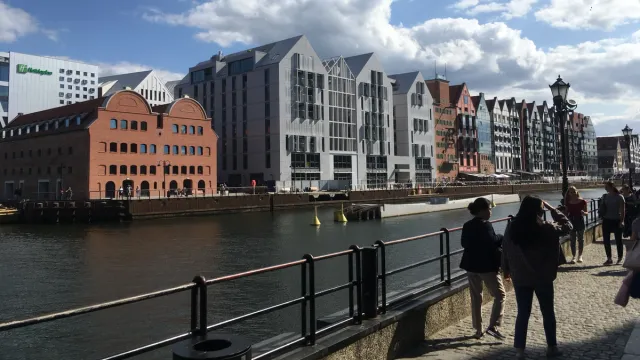

Boat&Bike - Rejs po Motławie
Gdańsk looks its best from the water. Sailing along the Motława, we pass the historic waterfronts of the Main Town, colourful townhouses, the medieval Crane and the granaries on Granary Island – places that for centuries determined the power of this Hanseatic port.
During a Boat&Bike cruise, you are accompanied by an audio guide that tells you about the places you pass and their history. This turns a leisurely river trip into a fascinating lesson in the city's past, while you can fully enjoy the views.
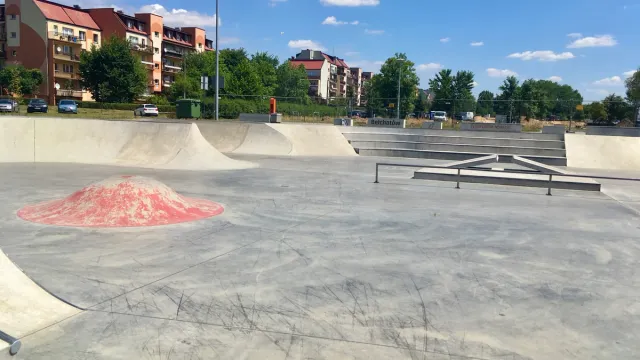
Szlak Sportowy w Bełchatowie
Bełchatów is a town that lives and breathes sport. Fans all over Poland know it mainly thanks to the volleyball players of Skra Bełchatów, but the town's sporting traditions are much richer and span many disciplines and venues.
The Bełchatów Sports Trail with an audio guide leads you to places connected with the town's sporting history. You will hear stories about clubs, athletes and important events, and along the way get to know Bełchatów from a slightly different perspective. It is an offer for sports fans and for everyone who enjoys spending their time actively.
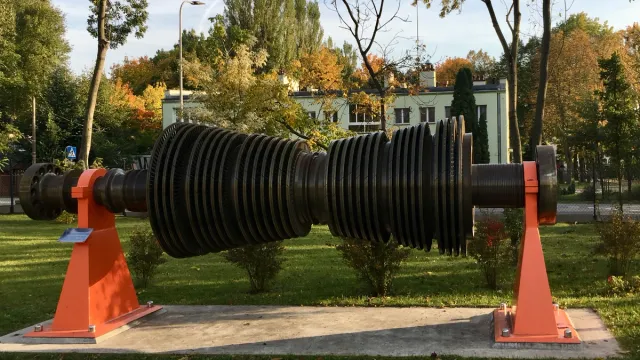
Szlak Rodzinny w Bełchatowie
Bełchatów is a town with much more to offer than you might think. Green recreational areas, interesting places and local stories make it well worth getting to know better – especially with the whole family.
The Family Trail is a day out designed for parents and children. The audio guide leads you from one point on the route to the next, telling their stories in an accessible and engaging way. It is a great idea for an afternoon together, when fun goes hand in hand with discovering the town.
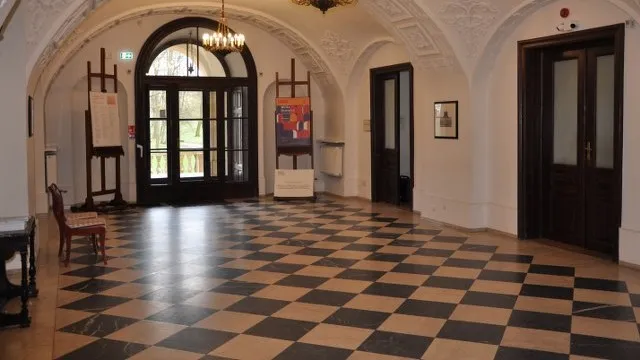

Willa Decjusza w Krakowie
Willa Decjusza (Villa Decius) is a Renaissance gem of Kraków, set in a park in the Wola Justowska district. Its origins date back to the 16th century, when Justus Decius, secretary to King Sigismund the Old, built his manor house here. The villa was later extended by the Lubomirski family, who added towers and a viewing loggia, and subsequent owners continued to change its appearance.
The audio guide tells the turbulent story of the residence and its inhabitants, letting you explore it at your own pace. It is a perfect opportunity to combine a walk through a green part of Kraków with a lesson in history and architecture.
Szlak Historyczny w Bełchatowie
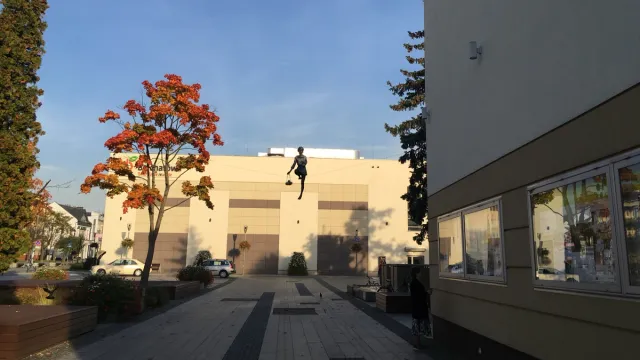
Bełchatów is associated primarily with its mine and power plant, but the town also has an interesting history and monuments worth discovering. These include the late Baroque Olszewski Manor House (Dwór Olszewskich), home to the Regional Museum, and the 18th-century Church of the Nativity of the Blessed Virgin Mary.
The Historical Trail in Bełchatów with an audio guide leads you through the most important places linked to the town's past. Thanks to it, you will discover the stories hidden behind the buildings you pass and see Bełchatów from a completely new perspective.

Centrum Ruchu Harcerskiego w Krakowie
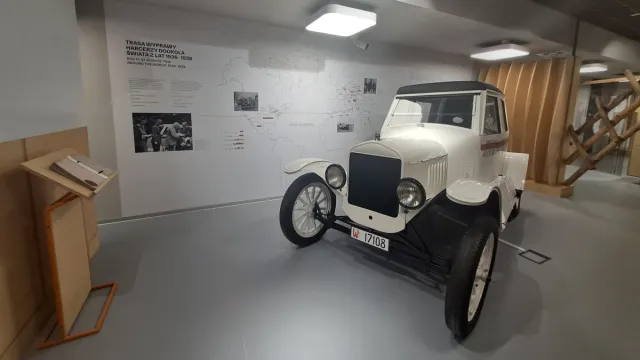
The Muzeum i Centrum Ruchu Harcerskiego (Museum and Centre of the Scouting Movement) is a branch of the Muzeum Krakowa (Museum of Kraków), housed in the restored Fort 52a “Łapianka” – a former fortification of the Kraków Fortress. The “Harcerskie ścieżki” (Scouting Paths) exhibition tells the story of the history, traditions and educational method of Polish scouting – from the early 20th century, through the years of the underground and the communist era, to the present day. Highlights include a replica of the Ford T from a round-the-world expedition and the basket of a balloon from a scout aviation unit.
We produced audio guide recordings that lead visitors through the exhibition and let them explore it at their own pace. A separate family route introduces the history of scouting to younger visitors.
The audio guide is available in Polish and English (also in a family version), as well as in a version with audio description for blind and partially sighted visitors.

Gmina Wilamowice
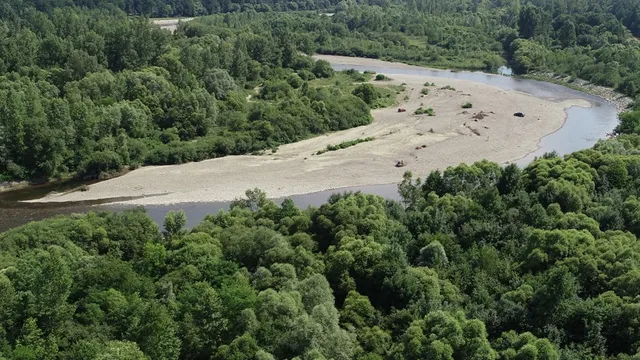
Wilamowice is a small town in Bielsko County that hides one of the most remarkable stories in Poland. It was founded in the Middle Ages by settlers from Western Europe, and for centuries their descendants preserved their own language – Wymysorys (wymysiöeryś), today one of the most endangered languages in the world – as well as colourful costumes and customs.
The audio guide invites you on a journey through the Wilamowice municipality, telling the story of its history, monuments and culture. It is the perfect way to discover on your own a place where history and tradition are still alive.


INDUSTRIAL4FUN
What did Cieszyn Silesia look like in the age of the Industrial Revolution? Factories, ironworks and workshops changed the face of this borderland forever, and traces of its industrial past can still be found today on both sides of the Polish-Czech border.
The INDUSTRIAL4FUN app presents the Polish-Czech trail “In the Footsteps of the Industrial Revolution”, a joint initiative of Polish and Czech local governments of Cieszyn Silesia. Eight attractions bring the region's remarkable stories closer, and the audio guide invites you to discover them on your own. The app is available on the App Store and Google Play.
Kolekcje Muzealne MOK Olkusz
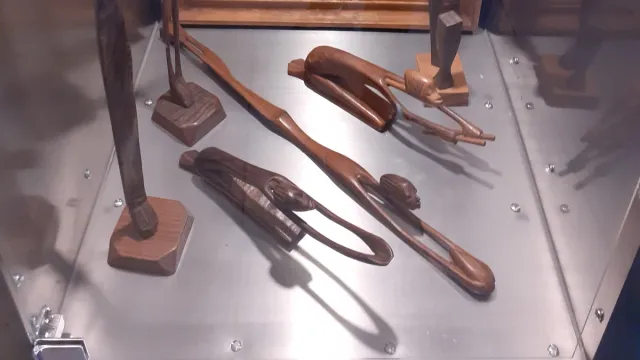
The Municipal Cultural Centre in Olkusz (Miejski Ośrodek Kultury w Olkuszu) looks after three remarkable collections. The African Museum gathers objects from the everyday life of the tribes of West and Central Africa. The historic Machnicki Manor House presents the work of Władysław Wołkowski, known as “the Michelangelo of wicker”. The collection of minerals and fossils reveals the treasures of the Olkusz area and the Kraków-Częstochowa Upland.
The audio guide leads you through the rooms of all three collections, describing the exhibits one by one. You can download the app from the App Store and Google Play and explore on your own, at your own pace.
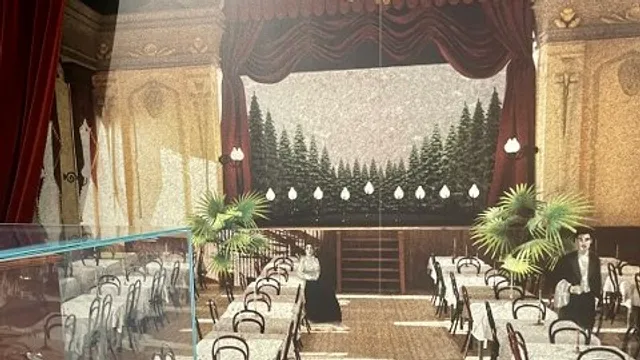

Muzeum Kinematografii w Łodzi
Łódź is the cradle of Polish film, and its Museum of Cinematography is housed in one of the city's most beautiful interiors – the former palace of the industrialist Karol Scheibler. Here, the palace's lavish, eclectic rooms sit side by side with exhibitions devoted to the history of cinema, animation and early optical devices, and one of the highlights is a historic fotoplastikon, a stereoscopic viewing cabinet.
With the audio guide, you will discover both the story of the Scheibler family and their residence and the history of Polish cinema. The narration takes you from room to room, revealing what goes on behind the scenes of filmmaking and sharing fascinating facts that will make you see cinema in a whole new light.
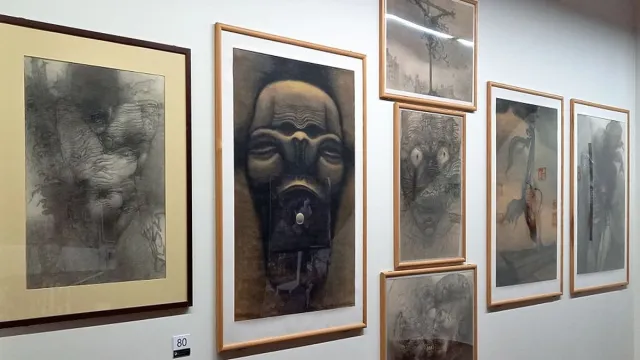

Muzeum Historyczne w Sanoku
Sanok, set on the San River on the threshold of the Bieszczady Mountains, is home to one of the most interesting museum collections in Subcarpathia. The Muzeum Historyczne w Sanoku (Historical Museum in Sanok) is famous above all for the largest collection of works by Zdzisław Beksiński, but its exhibitions cover much more.
The audio guide takes you through the museum's exhibitions, featuring objects from antiquity and the Middle Ages, through sacred art, all the way to contemporary painting, including Beksiński's astonishing works. You can download the app from the App Store and Google Play.
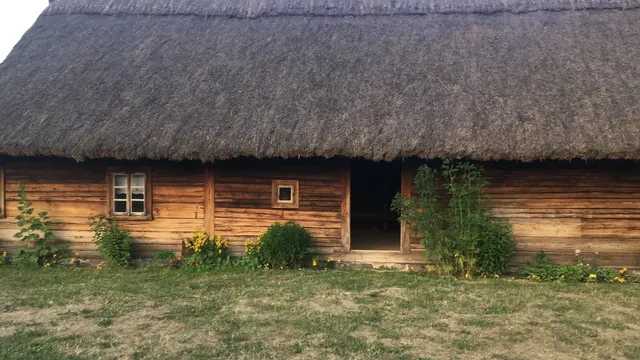
Zagroda Litewska w Puńsku
Puńsk in the Suwałki region is the heart of Lithuanian culture in Poland – most of its inhabitants are Lithuanians. Not far from the centre, on the road to Sejny, stands the Zagroda Litewska (Lithuanian Homestead), a mini open-air museum run by the Lithuanian Culture House (Dom Kultury Litewskiej). It is made up of buildings moved from a nearby village: a dwelling house, granaries, a cowshed and a barn, as well as a traditional fence and a sweep well.
The audio guide takes you on a journey to a Lithuanian village at the turn of the 20th century. It tells of everyday life, farm work, spinning and weaving, and the customs that are still alive in Puńsk.
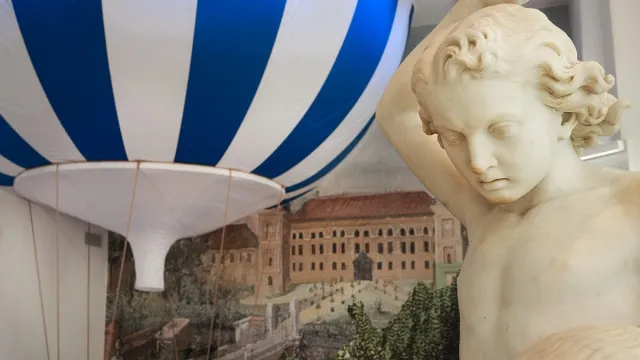

Centrum Edukacji Tradycji - Zamek Łańcut
The Jan Potocki Centre for Traditional Education (Centrum Edukacji Tradycji im. Jana Potockiego) has been part of the Muzeum – Zamek w Łańcucie (Łańcut Castle Museum) since 2022. Housed in the restored Orangery of 1802 and the Riding School of 1828–1830, it presents the everyday life and traditions of the Polish aristocracy, especially the families who once owned Łańcut. The Riding School displays a collection of nearly 50 horse-drawn carriages.
We created a mobile app for Android and iOS phones that accompanies visitors during their time at the Centre. Augmented reality (AR) content, together with games and activities, lets them learn about history in an active way.
The app is available in Polish.

Muzeum Ziemiaństwa w Dobrzycy
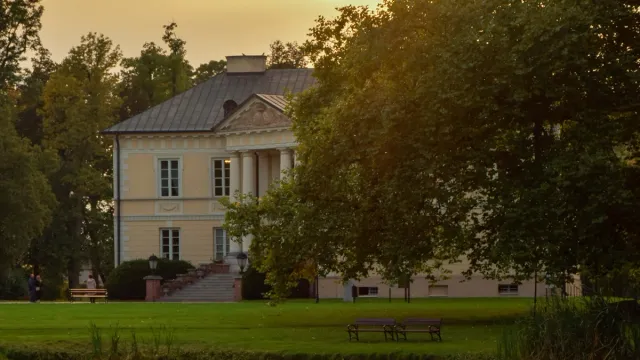
Muzeum Ziemiaństwa (the Museum of the Landed Gentry) in Dobrzyca is housed in a classicist palace designed for Augustyn Gorzeński by the Warsaw architect Stanisław Zawadzki. The shell of the palace, with its giant portico, was completed in 1795, and the interiors are decorated with wall paintings attributed to artists including Antoni Smuglewicz. The residence is surrounded by a historic park.
We prepared a mobile app for Android and iOS phones as well as an audioguide system. The recordings lead visitors through the palace and tell the story of the residence and its owners.
The audio guide is available in Polish, English and German.
Kościół Jezusowy w Cieszynie
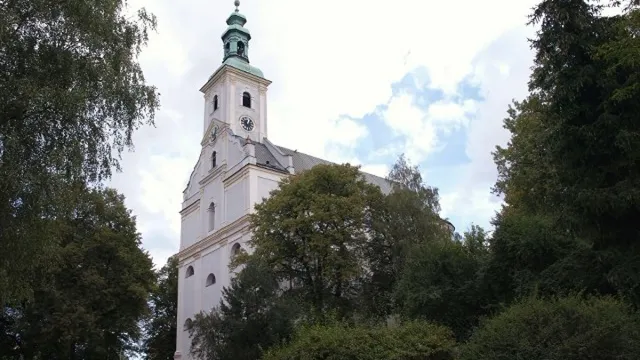
The Jesus Church in Cieszyn (Kościół Jezusowy) is the largest Lutheran church in Poland. It was built as one of the so-called Grace Churches under the Convention of Altranstädt – the foundation stone was laid in 1710. The late Baroque building can hold about 7,000 people, and for decades it was the only Protestant church within a radius of several dozen kilometres.
We created a mobile app for Android and iOS phones that works as an audio guide to the Jesus Church and the Museum of Protestantism. The recordings present the history of the church and of Cieszyn’s Protestant community.
The audio guide is available in Polish, English, German, Czech and Slovak, as well as with audio description for blind and partially sighted visitors.
Muzeum Ziemi Puckiej
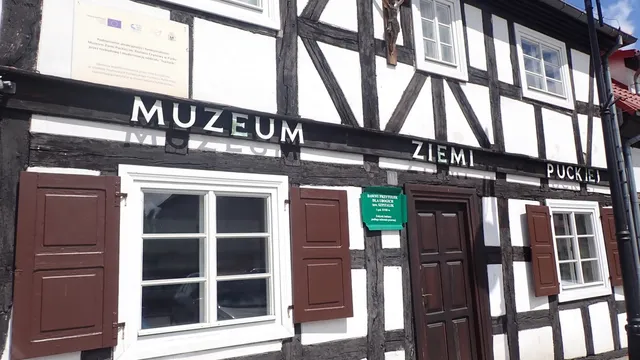
Puck is one of the oldest towns in Pomerania, set on the shores of Puck Bay. The Muzeum Ziemi Puckiej im. Floriana Ceynowy (the Florian Ceynowa Museum of the Puck Region) safeguards the heritage of this Kashubian land – its exhibitions tell of old Puck, the craftsmen of a small town, life in a Kashubian village and the treasures discovered on the bottom of the bay.
With an audio guide, a visit to the museum becomes a true journey through time. Just put on your headphones to discover the history of the region, its people and traditions at your own pace, without any rush. It is an excellent way to better understand Kashubia and its unique character.
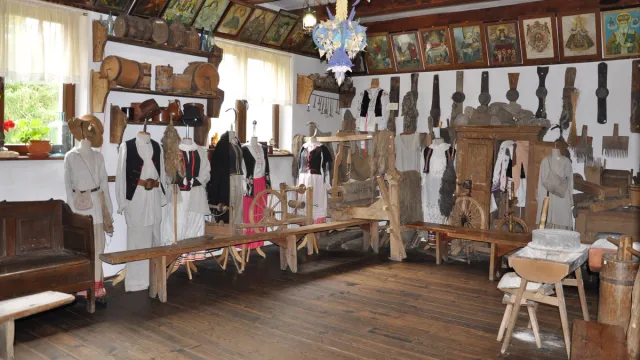

Muzeum Kultury Bojków w Myczkowie
Myczków lies in the Bieszczady Mountains, near Polańczyk and Lake Solina. It is home to the Muzeum Kultury Bojków (Museum of Boyko Culture), dedicated to the highland ethnic group that inhabited this area for centuries. Here you can see unique folk costumes sewn from linen and hemp cloth and decorated with cross-stitch embroidery, Eastern Church furnishings and mementoes of the former owners of the manor house.
The audio guide tells the story of the everyday life, rituals and traditions of the Boykos, helping you understand the heritage of the Bieszczady, traces of which can still be found in the region. It is also a great idea for a rainy day in the mountains.
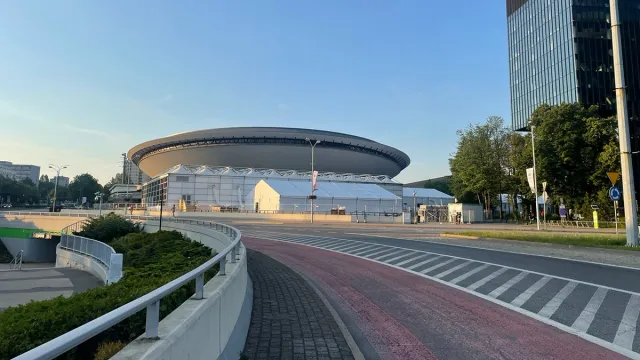

Wycieczka autobusowa po Katowicach
Katowice, the capital of the Silesian Voivodeship, was a small village for centuries and was granted town rights only in 1865. The city's rapid growth was driven by hard coal mining, which flourished here in the second half of the 19th century and shaped its character for a long time.
We created a mobile app to accompany a bus tour of Katowice. The recordings present the history of the city and its most important sights passed along the route.
The app is available in Polish and English.
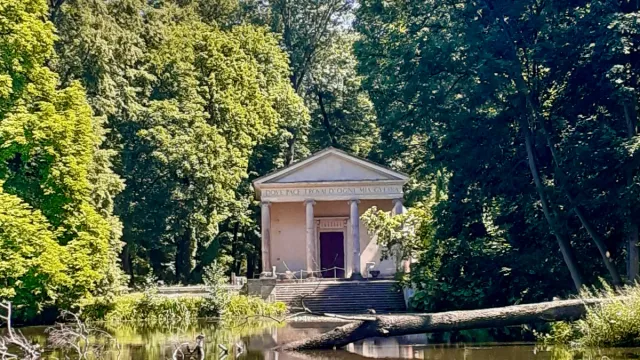

Gmina Nieborów
The municipality of Nieborów lies in Łowicz County, in the very heart of Poland, and is famous above all for two gems: the former Radziwiłł palace in Nieborów and the romantic garden in Arkadia. But that's not all – the area also tempts visitors with peaceful landscapes, interesting historic sites and local cuisine.
The Gmina Nieborów mobile app brings the area's tourist offer together in one place. It helps you discover attractions and places worth eating at, shows their location on a map and tells their story in an accessible way. The app can be downloaded free of charge from the App Store and Google Play.
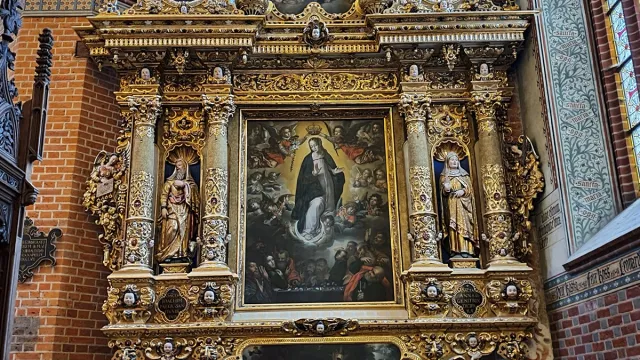
Bazylika Katedralna w Pelplinie
The Cathedral Basilica in Pelplin is the former church of a Cistercian abbey – the monks arrived in Pelplin in 1276. The present church was built in the 14th century and is one of the largest brick Gothic buildings in Poland. It has been a cathedral since 1824, and in 2014 the former Cistercian complex was designated a Monument of History. The interior impresses with its rich furnishings, including a monumental, 25-metre-high main altar.
We created a mobile app for Android and iOS phones as well as an audioguide system. The recordings lead visitors through the cathedral and present its history and most precious furnishings.
The audio guide is available in Polish, English and German.
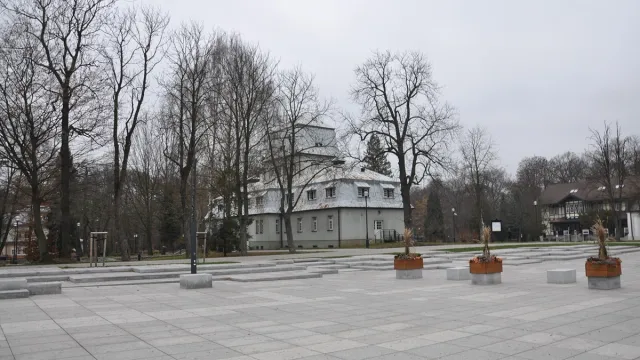

Zamek w Głogowie
The Zamek Książąt Głogowskich (Castle of the Dukes of Głogów) is one of Głogów's most important historic monuments. Its history goes back to the 13th century, and its walls hosted Polish kings, among others, and during the Napoleonic Wars Napoleon himself. Destroyed in 1945, it was rebuilt and today houses the Muzeum Archeologiczno-Historyczne (Archaeological and Historical Museum).
The audio guide leads you through the castle halls and the museum's exhibitions, telling the story of the building, the dukes of Głogów and the town itself. Thanks to it, everyone can discover the rich history of this place at their own pace.
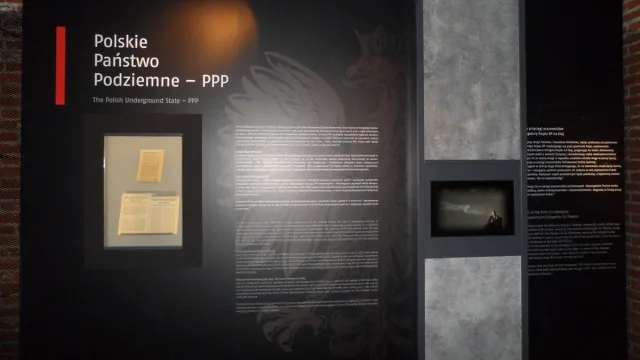

Muzeum Armii Krajowej
At the General Emil Fieldorf “Nil” Home Army Museum in Kraków, we will learn everything about the European phenomenon that was the Polish Underground State during World War II, together with its armed force, the Home Army.
The museum is housed in a solid brick building of the former Kraków Fortress. The exhibition features, among other things, weapons and uniforms, photographs and documents, as well as numerous multimedia displays; during the visit we will learn about the history of the Polish Underground State, its structure, its commanders and its ordinary soldiers.
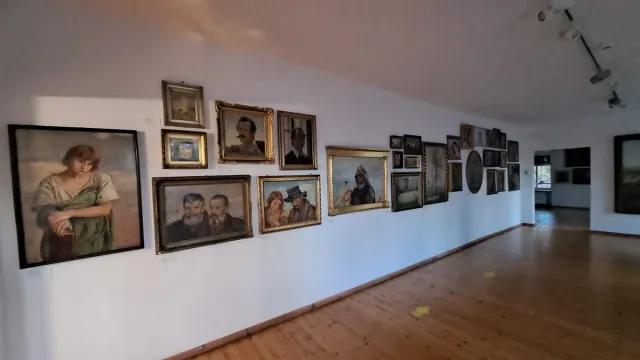
Muzeum - Dom Hauptmannów
The Dom Carla i Gerharta Hauptmannów (Carl and Gerhart Hauptmann House) in Szklarska Poręba is a branch of the Muzeum Karkonoskie (Karkonosze Museum) in Jelenia Góra. At the end of the 19th century it became the home of the Hauptmann brothers – the writer Carl and Gerhart, winner of the 1912 Nobel Prize in Literature, who wrote, among other works, the play ‘The Weavers’ during this period.
We created a mobile app for Android and iOS phones and an audio guide system with recordings for the permanent exhibition. The audio guide leads visitors through the exhibitions ‘In the Kingdom of the Mountain Spirit’, ‘The Karkonosze Mountain Hut’ and ‘Carl and Gerhart Hauptmann’, as well as the Wlastimil Hofman Gallery.
The recordings are available in Polish, English, German and Czech, and in a version with audio description for blind and partially sighted visitors.
Bazylika archikatedralna w Szczecinie
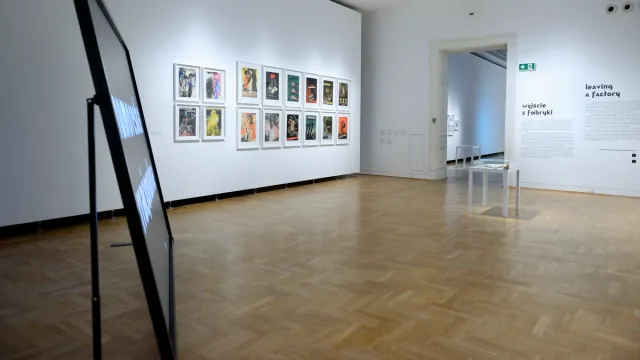
Zachęta - Narodowa Galeria Sztuki
Zachęta – National Gallery of Art is one of the most important art institutions in Poland. Its stately building on Małachowski Square in Warsaw, erected at the turn of the 19th and 20th centuries, has been showing art for more than a hundred years – once mainly by Polish masters, today above all contemporary work. It was here, in 1922, that President Gabriel Narutowicz was assassinated.
The audio guide helps you discover both the history of the building itself and the works on display. The narration explains the context of the works and introduces the artists, bringing art closer and making it easier to understand.
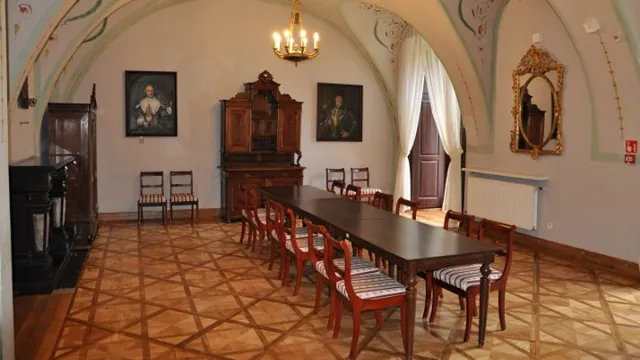
Willa Decjusza
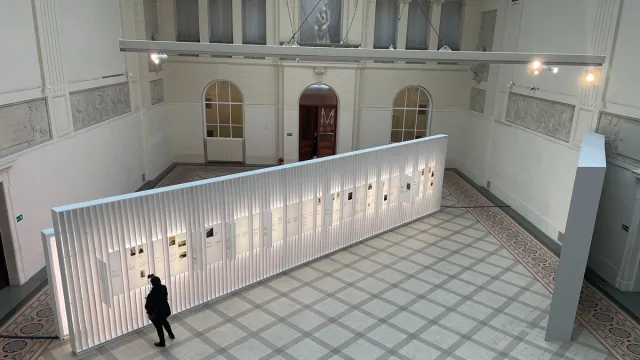
Muzeum Narodowe w Poznaniu
Vilhelm Hammershøi, a Danish painter born in Copenhagen in 1864, is sometimes called “the Danish Vermeer” – his paintings recall the work of the 17th-century Dutch masters. He most often painted the interiors of his Copenhagen flat at Strandgade 30. The exhibition “Vilhelm Hammershøi. Light and Silence” at the Muzeum Narodowe w Poznaniu (National Museum in Poznań) was the first monographic presentation of his work in Poland.
We created a mobile app for Android and iOS phones that served as an audio guide to the exhibition. The recordings introduced the paintings one by one and told the story of the artist’s life.
The audio guide was available in Polish and English.
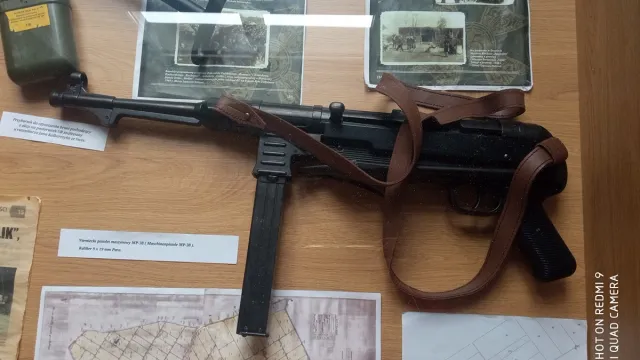

Centrum kultury i sportu w Rykach
Ryki is a town in the northern part of the Lublin region, founded in the 15th century as a royal village; it received town rights in 1782. In the 19th century Count Jan Nepomucen Jezierski established more than 30 fish ponds here, which earned Ryki the name “carp capital”.
For Centrum Kultury i Sportu w Rykach (Ryki Culture and Sports Centre) we created an audio guide in the form of a mobile app. It lets visitors explore independently, at their own pace, with recordings in Polish.
The audio guide includes audio description for blind and partially sighted visitors.
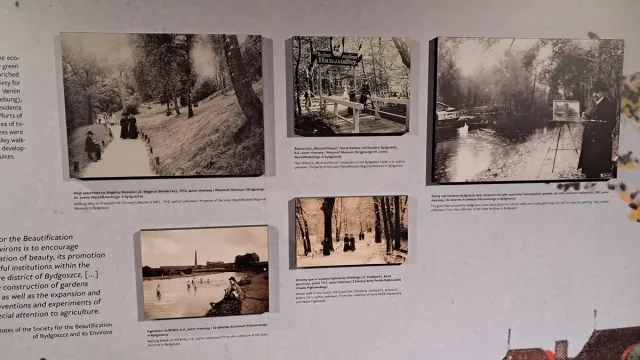
Bydgoszcz Wystawa "Węzły"
Młyny Rothera (Rother’s Mills) is a 19th-century mill complex on Wyspa Młyńska (Mill Island) in Bydgoszcz, named after the Prussian minister Christian von Rother. Two floors of the former granary house the permanent exhibition ‘Węzły. Opowieść o mieście nad Brdą’ (Nodes. A Story of the City on the Brda), whose title refers to the Bydgoszcz Water Junction – the Brda, the Bydgoszcz Canal and the Vistula – but also to the intertwined lives of the city’s residents.
We created a mobile app for Android and iOS phones and an audio guide system with 50 devices. The recordings take visitors through the last 170 years of Bydgoszcz’s history and ask how the city’s water resources can be protected from the climate crisis.
The audio guide also includes audio description for blind and partially sighted visitors.
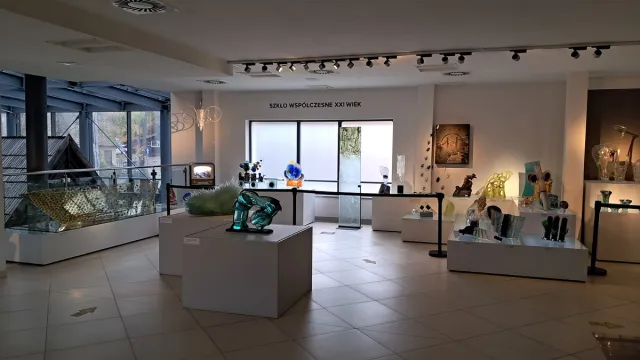
Muzeum Karkonoskie w Jeleniej Górze
Muzeum Karkonoskie (the Karkonosze Museum) in Jelenia Góra grew out of the collections of the Riesengebirgsverein (Karkonosze Society), gathered from the 1880s onwards. Its present building, designed by Carl Grosser, opened in 1914, and the museum's greatest pride is its art glass collection – one of the largest in Poland.
We prepared a mobile app for Android and iOS phones as well as an audioguide system. The recordings lead visitors through the permanent exhibitions – from archaeology and regional history to folk art and glass – and introduce the most interesting exhibits.
The audio guide is available in Polish, English, German and Czech, as well as in a version with audio description for blind and partially sighted visitors.
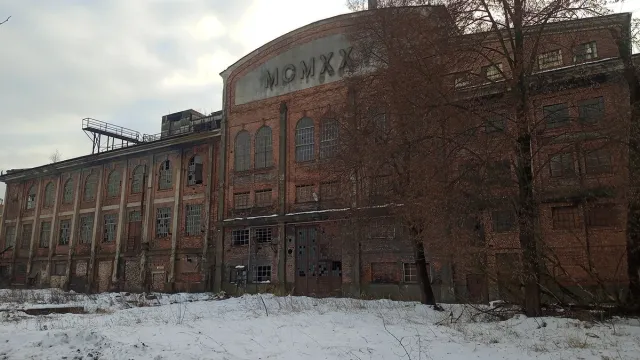
Spacer po Pionkach
Pionki is a town on the edge of the Kozienice Forest (Puszcza Kozienicka), whose history is closely tied to industry – it was here that a gunpowder factory was built, and the town grew up around it. Its green surroundings and intriguing past make it well worth a walk.
The Walk around Pionki is part of the Przewodnik po Ziemi Radomskiej (Guide to the Radom Land) app. The audio guide leads you through the town and tells the story of its past and the places worth seeing. You can download the app from the App Store and Google Play.
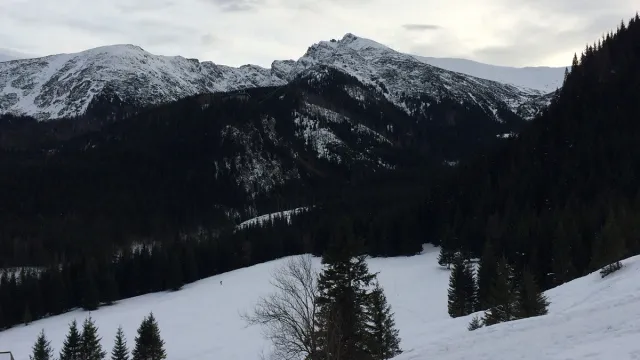
Miejska wycieczka po Zakopanem
Zakopane is Poland's winter capital and the gateway to the Tatra Mountains. The town is famous not only for its mountain views, but also for its unique Zakopane-style architecture, highlander culture and rich history shaped by many artists, writers and mountain people.
The audio guide invites you on a walk around Zakopane. Along the way, you will hear stories about the most interesting corners of the town, its historic sites and the people who created them. All you need is a phone and headphones to get to know Zakopane at your own pace – without a tour guide and without rushing.
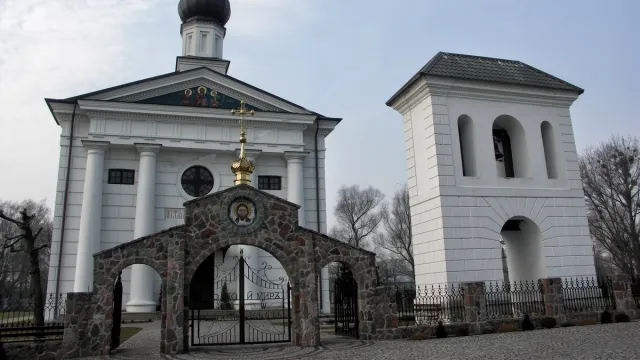

LGD Ziemi Siedleckiej
The Siedlce Land (Ziemia Siedlecka) is a region full of greenery, rivers and local traditions, ideal for those who enjoy active holidays and good food. The Ziemia Siedlecka Local Action Group decided to make it easier for tourists to discover the region's attractions by providing them with a mobile app.
With the app, you can set off on a culinary journey along a marked trail and discover regional specialities. It also features cycling, Nordic walking and even kayaking routes, as well as information on accommodation. The app is available on the App Store and Google Play.

Wrocław Pamięta
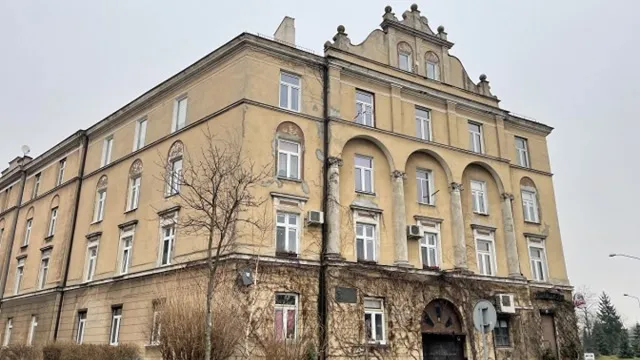
Wycieczka historyczna po Radomiu
Miasto Kazimierzowskie (Casimir’s Town) is one of the oldest parts of Radom, founded by King Casimir the Great in 1350 or 1351. Its heart is the Market Square, and its main street is Rwańska. Under the Jagiellonian dynasty Radom was an important centre of the kingdom: in 1505 the parliament meeting here passed the Nihil novi constitution.
We prepared an audio tour of Radom’s historic district. The recordings lead visitors past its monuments and tell the story of the town, and the route can be walked at your own pace.
The audio guide is available in Polish and English.
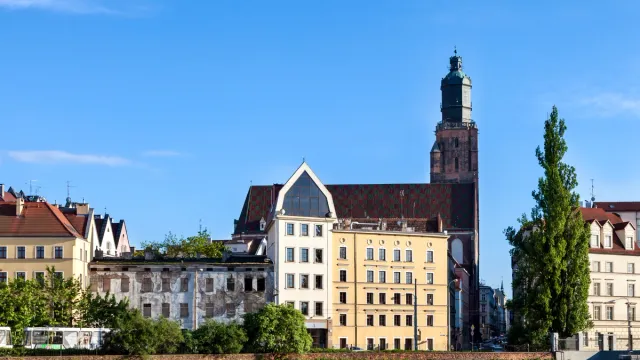
Kościół św. Elżbiety we Wrocławiu
St Elizabeth's Church, standing right by Wrocław's Market Square, is one of the city's most important Gothic churches. For centuries its monumental tower has dominated the Old Town, and the viewing terrace at the top offers one of the most beautiful panoramas of Wrocław. At the foot of the church stand the charming little houses known as Hansel and Gretel.
The audio guide invites you to discover the history of the church – from the days of the medieval burghers, through its turbulent past and reconstruction, to the present day. As you explore the interior, you will get to know its most precious treasures and the curiosities that are easy to miss without a guide.
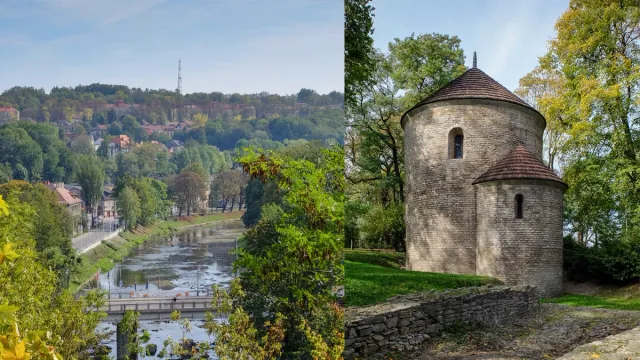
Spacer po Wzgórzu Zamkowym w Cieszynie
It was right here that Polish statehood was born; from here, members of the Piast dynasty ruled the Duchy of Cieszyn for almost 400 years.
Along our walking route we will see magnificent historic sites, including the Romanesque rotunda – one of the oldest masonry monuments in the Polish lands.
So, let's meet in Cieszyn!
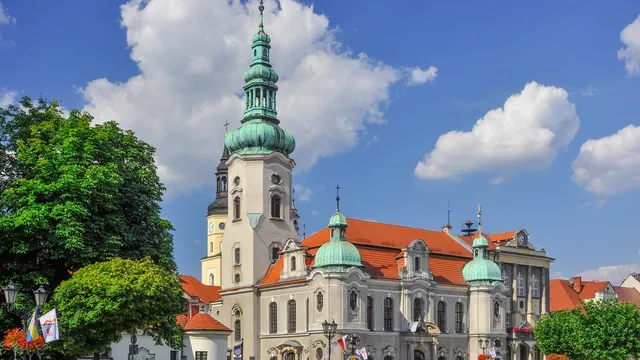
Spacer po Pszczynie
The main magnet drawing visitors to Pszczyna is its magnificent castle, but it is worth staying longer in the town to discover its other attractions.
The audio guide leads you around Pszczyna's charming Market Square and the surrounding side streets. During the walk, we learn about the town's long history as well as its interesting historic sites, including the Protestant and Catholic churches and the Museum of the Silesian Press.
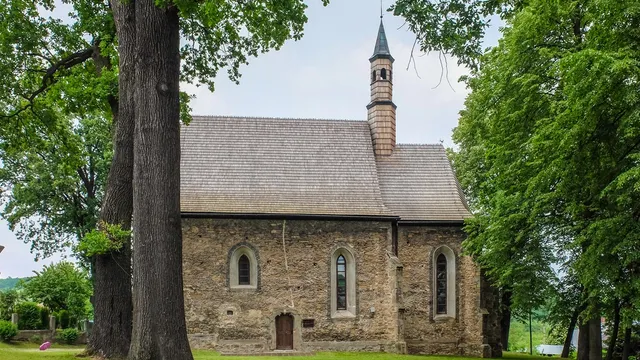
Spacer po Bobowej
Why download our audio guide to Bobowa onto your phone? Because it offers a simple and engaging way to get to know all the main attractions of this picturesque little town. And there is plenty to see!
Bobowa lies between Nowy Sącz and Gorlice, in pleasant foothill countryside. Although it is one of the smallest towns in Poland, it prides itself on centuries-old traditions. The audio guide starts in the Market Square, but soon directs visitors into a side street, at the end of which stands a timber-and-masonry synagogue. It is worth trying to get hold of the keys, as the interior has survived in very good condition.
At the synagogue, the audio guide also recounts the fascinating story of the wedding of the Bobowa tzaddik's daughter to a wealthy Jew from Kraków. All one can say is: what a wedding it was!
Next, we return to the Market Square and take a rest by the fountain with the sculpture of a lacemaker – Bobowa is, after all, Poland's centre of bobbin lace!
Later on, a walk to two historic churches awaits us. In the parish church you will find a superb canvas by none other than Jacek Malczewski – the painting “Crucifixion” hangs high on the wall of the chancel.
Just one more look at the manor house standing near the parish church, once owned by the Długoszowski family, whose best-known member was “the first uhlan of the Second Polish Republic”, General Bolesław Wieniawa-Długoszowski, and… the audio guide is already bidding us farewell.
See you again in Bobowa!
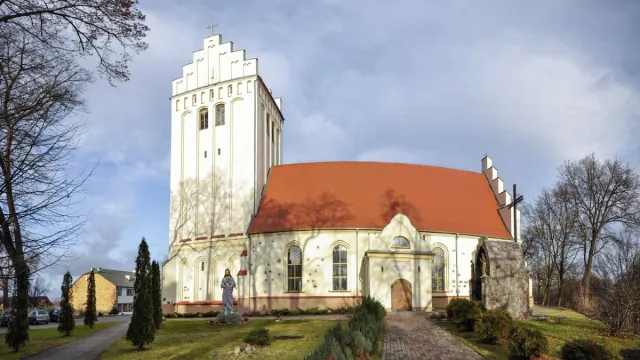
Spacer po Gołdapi
If you don't know where Gołdap is, take a map of Poland and find the horizontal line in the north that marks the Polish-Russian border. Along this line you will also see a dot marking the town of Gołdap, whose greatest attractions are the nearby Romincka Forest and its status as a spa town. The town is presented by an audio guide that will delight above all lovers of history and of the European Union.
We encounter Gołdap's history right at the start of the walk, near the Church of the Blessed Virgin Mary, Mother of the Church (co-cathedral of the Diocese of Ełk), raised from the rubble after World War II. From the church, the audio guide route leads past the monuments to Immanuel Kant and… an elk, across the Market Square to the final stop, located at another temple of history – the Museum of the Gołdap Land.
The audio guide tells fascinating stories about Prussian barracks full of Bosniaks and about German Olympians who trained in Gołdap before the war. It will also warm the hearts of Euro-enthusiasts by describing Gołdap's Education and Sports Centre, built with EU funding.
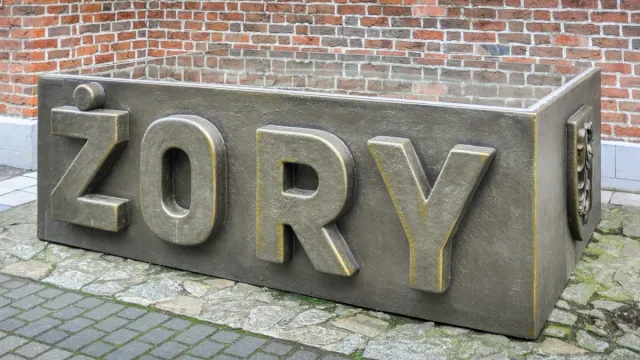
Spacer po Żorach
Do you know a town where the Fire Festival was a day off work? Do you know who proved the existence of the quantisation of angular momentum? Have you heard of the Battle of Żory – a battle that never took place? If not, it means you need to come here.
So, let's meet in Żory!
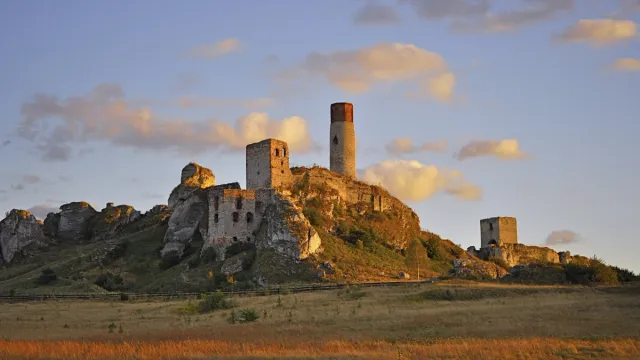
Zamek Olsztyn
There is Olsztyn – the capital of the Warmian-Masurian Voivodeship with nearly 200,000 inhabitants, and there is Olsztyn – near Częstochowa, a small village with an urban, albeit distant, past. The latter Olsztyn attracts thousands of tourists every year, drawn by the impressive ruins of a royal castle, one of the so-called "Eagle Nests". It's definitely worth a visit, especially with an audio guide!
You can rent the audio guide at the Tourist Information Point located in the very center of the village. Once you put on the headphones, you're transported back in time to when Olsztyn was a royal seat. On the way to the castle, you’ll hear fascinating stories and discover the village’s modern attractions, including Jan Wiewiór’s moving nativity scene.
The castle itself—or rather its ruins—leaves a powerful impression. It clearly dominates over Olsztyn, as if it still ruled over it. The audio guide tells the castle’s story, including the dark tale of Maciej Borkowic's death by starvation.
This is something you have to hear!
In Olsztyn, there's also an audio guide version for kids, and you can even take a walk with headphones on to the nearby Birów Hill, where a defensive wooden stronghold stands.
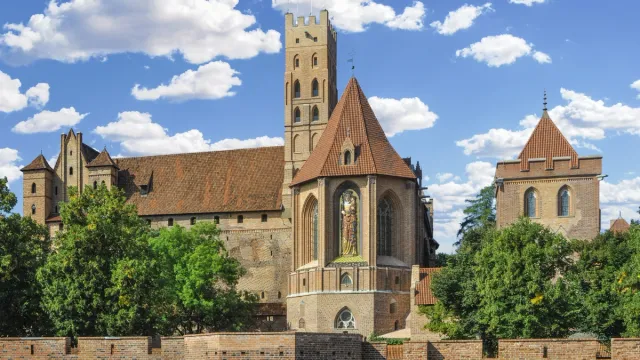
Muzeum Zamkowe w Malborku
Malbork Castle is one of Poland's most popular tourist attractions. More than 500,000 tourists visit it every year. A huge share of them explore the Teutonic fortress with an audio guide.
The Teutonic Order began building the castle in the 13th century, and work continued until the mid-15th century. The building was the seat of the Order's authorities, including the Grand Commander. In the 15th century Malbork came under the rule of the Polish kings and from then on served as one of the monarch's residences. During the last war the fortress was reduced to ruins. Later there were even plans to demolish it completely, which fortunately never happened.
The audio guide makes it easy and enjoyable to visit the most important parts of the Middle and High Castles and the Grand Masters' Palace.
The audio guide has been prepared in two versions: for adults and for families with children.
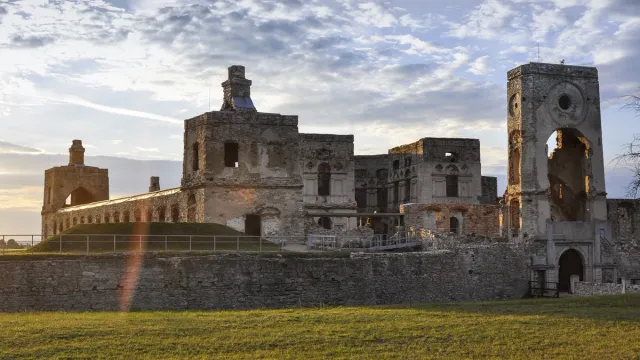
Zamek Krzyżtopór
On the eastern edge of the Świętokrzyskie Mountains, in Ujazd near charming Sandomierz, stand the ruins of a castle whose symbols are the cross and the axe. The fortress was built in the 17th century by Krzysztof Ossoliński, but it was never fully completed and to this day it hides many secrets.
Our audio guide starts at the main gate leading to the residence and takes you through the former courtyards, cellars carved into the rock, stables, as well as utility, residential and state rooms.
During the walk, we look into the mirror of a spring gushing from the rock, and imagine the splendour of the chambers and the famous glass ceiling turned into an aquarium. The guide tells the colourful history of the residence and its successive owners, without leaving out tales and legends.
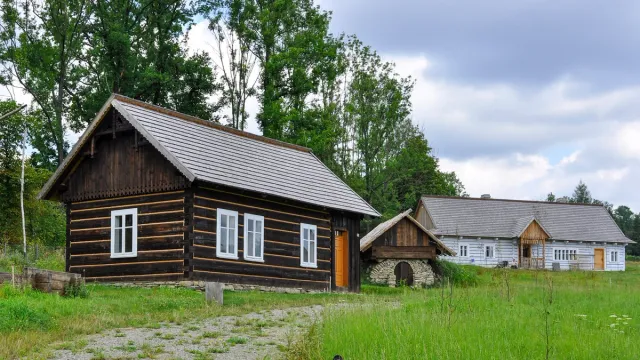
Żywiecki Park Etnograficzny
Highlander culture was discovered by Polish culture in the 19th century. In the 21st century, despite great upheavals and changes, it is still alive and well. Where can you get to know it up close, as if at the source? In the Żywiec region, for example, in the western part of the Polish Carpathians.
The best place to start exploring the culture of the Żywiec highlanders is Ślemień, a village on the road from Sucha Beskidzka to Żywiec. Recently opened there is the Etnopark – the Żywiec Ethnographic Park, which you can explore with an audio guide.
The audio guide takes us around what is, in effect, an old village of the Żywiec Beskids. It has peasant farmsteads more than a hundred years old as well as a school and a small-town pharmacy. Together we look into a herbalist's cottage, a granary and even a forge.
After a walk with the audio guide, the highlanders and their culture feel much closer to us.
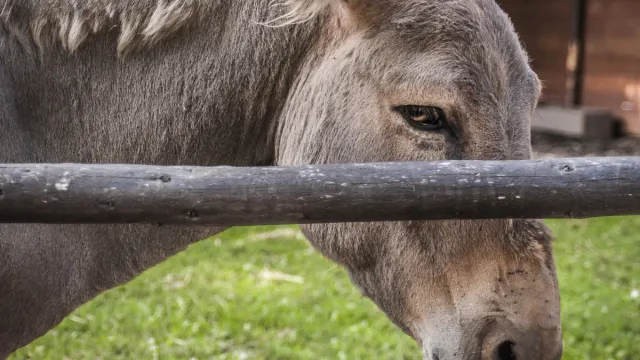
Pokazowa Zagroda Żubrów
Pszczyna needs no recommendation – after all, this Silesian town is home to one of the most popular historic sites in Poland, the Hochberg Castle, visited every year by hundreds of thousands of tourists. Many of them, however, do not know that near the castle there is a truly interesting attraction of a completely different kind – the European Bison Show Enclosure, which can be explored with the help of an audio guide.
A visit to the Enclosure will be an amazing experience for adults and children alike. Naturally, the greatest impression is made by the bison, descendants of animals brought to Silesia by the Princes of Pszczyna more than a hundred years ago. The bison can be observed up close from behind the fence or from the gallery. The audio guide's child-friendly commentary is essential to uncover all the secrets of these animals.
The audio guide also takes you around the rest of the Enclosure, home to wild boar, deer and elk. With it, we also enter the building with the exhibition rooms. Among other things, the interior of a forester's lodge has been recreated there, with numerous animals of the Polish forests.
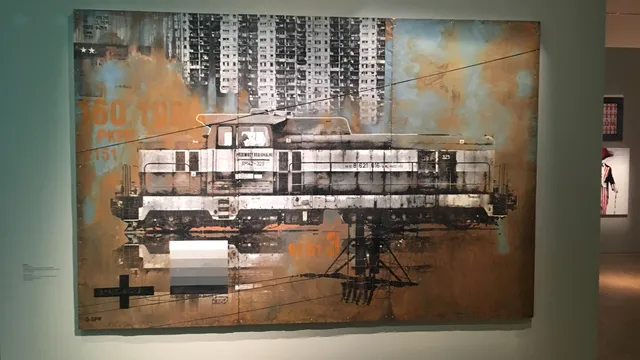
Muzeum Śląskie w Katowicach
The Silesian Museum in Katowice boasts a superb collection of works by Polish painters, presented in the Gallery of Polish Painting housed in the museum's new buildings on Dobrowolskiego Street. The gallery is best explored with an audio guide, which talks expertly about both the paintings and their creators.
The Gallery of Polish Painting 1800-1945 occupies six rooms. You switch on the audio guide in the room devoted to the painting of the Romantic and early Realist periods. Here you can already admire works by such famous names as Henryk Rodakowski and Jan Matejko. The following rooms are also full of masterpieces – to name but a few: “In the Arbour” by Aleksander Gierymski, “Tobias and the Angel” by Jacek Malczewski and the “Self-Portrait” by Stanisław Ignacy Witkiewicz.
The last of these hangs in room six, reserved for interwar painting. After seeing it, it is worth continuing with the audio guide to the Gallery of Polish Painting after 1945. The paintings there will surprise and delight you.
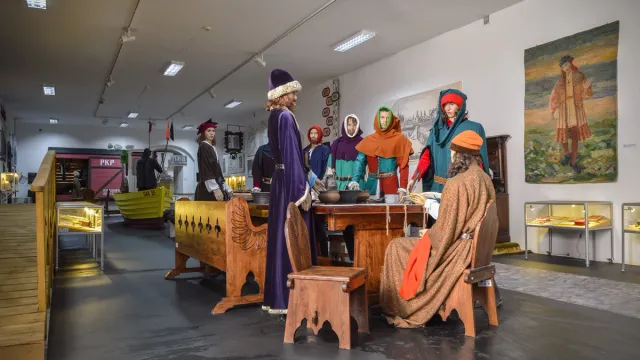
Zamek Książąt Pomorskich
At the Castle of the Pomeranian Dukes in Darłowo you will find everything such a place needs: mighty brick walls, a labyrinth of historic halls and corridors, stories of a king turned pirate and, finally, legends of untold treasures and of the White Lady who haunts the castle at night. For dessert, there is also the survey exhibition “Dirlov – Rugenwalde – Darłowo. A Town on the Baltic”. There is nothing left to do but go and explore – with an audio guide, of course!
The history of the Darłowo castle begins in the distant Middle Ages, when these lands were ruled by the Dukes of Pomerania of the House of Griffins. It was they who built the first stronghold on a river island, which they extended and modernised over the following centuries. During a walk with the audio guide you have the chance to learn about all the phases of the building's construction and many related curiosities, such as a toilet… hidden in the wall.
The fortunes of many of the dukes who resided in Darłowo were extraordinary and often adventurous. Eric of Pomerania remains a mysterious figure to this day – for a time during his turbulent life he was King of Denmark, Norway and Sweden, and later a Baltic pirate. He spent his last years in Darłowo and was buried in the local parish church. He is said to have left behind great treasures, symbolised by a golden dove found in his tomb.
The castle also has its own White Lady – a ghost who wanders through the chambers. She is said to be Duchess Zofia, about whom you will learn more by listening to our audio guide.
Muzeum Wnętrz Dworskich w Ożarowie
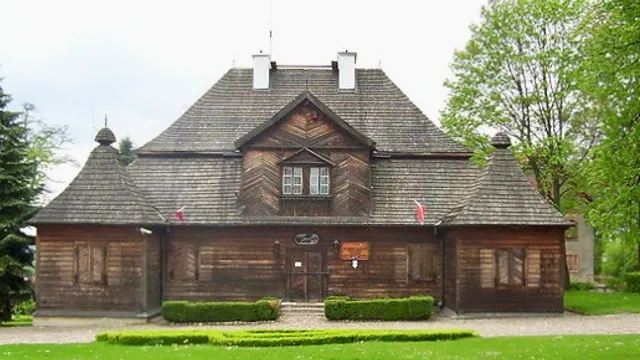
There were once thousands of noble manor houses, like the one described by Adam Mickiewicz in "Pan Tadeusz", across the Polish-Lithuanian Commonwealth. Most of them were wiped off the face of the earth during the Second World War and the post-war period. That is why the manor houses that have survived are so valuable – thanks to them we can see how our ancestors lived.
The 18th-century manor house in Ożarów near Wieluń, in the Łódź Voivodeship, boasts exceptional beauty. It is a wooden building with a traditional Polish mansard roof and four corner annexes (alkierze). For almost 40 years the manor has housed the Museum of Manor House Interiors, which can be visited with an audio guide.
The manor house feels lived-in, as if its owners had just stepped out for a moment. The drawing room, dining room, two bedrooms, girls' room, study, hunting parlour, boudoir and pantry are all furnished in period style. All that remains for us is to listen to the audio guide and admire.
Zamek Ogrodzieniec
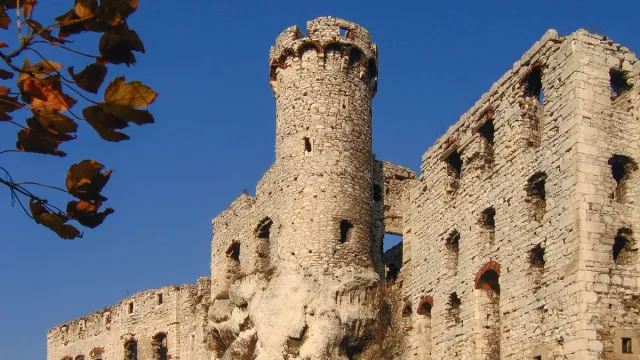
Ogrodzieniec Castle in Podzamcze near Zawiercie is the most famous “eagle's nest” – an unassailable stronghold built on the limestone outcrops of the Kraków-Częstochowa Upland.
Stary Zamek - Muzeum Miejskie w Żywcu
Żywiec was founded in the Middle Ages and quickly became one of the most important towns in this part of Poland. It retained this significance for many centuries, which is why we can admire so many interesting historic sites here. Touring Żywiec’s Old Castle with an audio guide is sure to be great fun.
The castle’s history spans several hundred years. Its owners, among them the Komorowski, Vasa, Wielopolski and Habsburg families, altered the building’s appearance to suit the times and changing fashions. The castle’s present form dates from the 19th century.
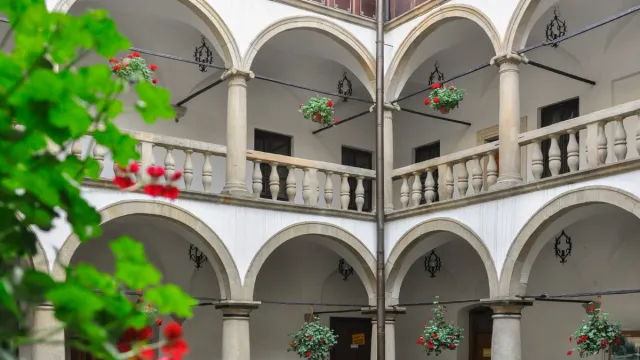
Visitors with audio guides will undoubtedly be enchanted by the charming arcaded courtyard, reminiscent of buildings in southern Europe. The interiors, in turn, house exhibitions of a varied character. We can learn about the history of Żywiec, admire archaeological finds, focus on the region’s unique folk culture, and even take a look at the mammals and birds of the Żywiec area.
For visitors with strong nerves, there is a room with old instruments of torture. The sight of them makes your blood run cold...
In Żywiec we also invite you on an audio tour of the town centre, during which you can discover both castles, a beautiful park, the Market Square and the cathedral.
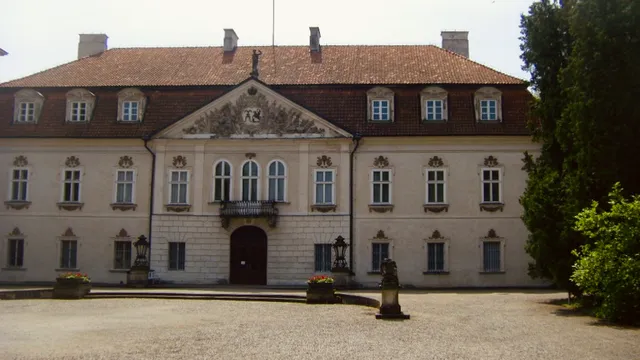
Pałac - Muzeum w Nieborowie i Arkadii
There are places where you can still encounter the spirits of aristocrats who spent their everyday lives in a realm of beauty beyond the reach of ordinary mortals. Such extraordinary spots on the map of Poland are Nieborów and Arkadia, located near Łowicz in Masovia.
Nieborów is known above all for its magnificent 17th-century palace designed by the famous Tylman van Gameren and its adjoining garden; the jewel of Arkadia, in turn, is Helena Radziwiłł's Romantic Garden. Although the palace was built for Primate Radziejowski, the residence reached its heyday when it was owned by the Radziwiłł family.
And it is one of the members of this family who can show you around the beautiful palace interiors – all you need to do is choose a tour with an audio guide from the museum's extensive offer. The audio guide will show you exquisite chambers and magnificent historic objects, and will also reveal many of the palace's secrets.
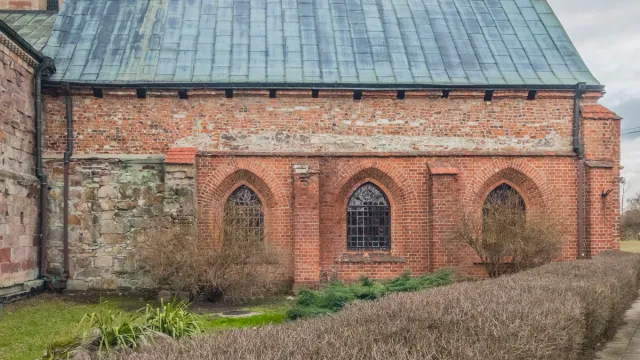
Klasztor Cystersów w Sulejowie
Sulejów lies a dozen or so kilometres from Piotrków Trybunalski, in the Łódź Voivodeship. As early as the 12th century, that is eight hundred years ago, the Polish duke Casimir the Just brought Cistercian monks to what was then a remote area, and over the years they built an impressive monastery complex.
Today in Sulejów you can admire the Romanesque Church of the Blessed Virgin Mary and St Thomas of Canterbury, as well as the monastery and farm buildings; the numerous defensive towers also catch the eye.
It is worth visiting the monastery museum with the audio guide, where many mementoes related to its history have been collected.


PGE Giganty Mocy
PGE Giganty Mocy (Giants of Power)? The name sounds like Ninjago or Nexo Knights. In reality, it is an interactive museum in Bełchatów that gives children and adults alike a gigantic dose of fun – and of knowledge, too. The audio guide available at the museum helps you make the very most of your visit!
Bełchatów near Łódź is famous for volleyball, its lignite mine and its power plant. We will leave volleyball aside here – that is not our department. The mine and the power plant, however, are the giants of power that the museum has made its heroes.
Right at the start of the audio-guided tour, we set off on a fascinating journey through time, going all the way back to the beginnings of… the universe. Then we travel through distant eras of the Earth's history, diving into ancient seas and making our way through tropical forests, among other things. All this to find out how lignite was formed – the coal that is mined today at the Bełchatów mine. Once we step out of the time machine, we enter the mine straight away – the largest hole in the ground in Europe, visible even from Earth's orbit. It is an opportunity to take a closer look at the mighty machines and, along the way, at the transformation of Bełchatów itself.
Finally, at the very end, we visit the power plant, where you can learn how electricity is generated.
It is worth pointing out that the exhibition has been enriched with numerous games and activities that are especially appealing to the youngest visitors.
The audio guide is available in two versions: for adults and for families with children.
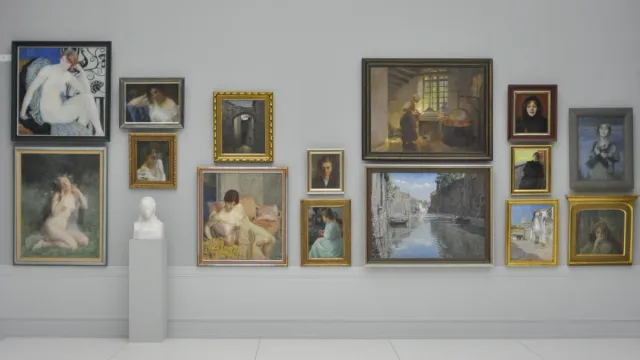
Muzeum Narodowe w Poznaniu - Pałac w Rogalinie
Rogalin is one of those places that simply must be on the list of attractions for every lover of beauty.
The village lies about 20 km south of Poznań. Soon after crossing the vast courtyard, the monumental Baroque-Classicist palace of the Raczyński family comes into view. It is enchanting… and invites you into its wonderful interiors, recently renovated and reconstructed with great attention to detail.
Then all you have to do is put on your headphones and switch on our audio guide, and a moment later you step into the refined world of the Polish aristocracy. The audio guide leads you through the ground floor and the first floor of the residence. The salons look as if their occupants had left them only a moment ago...
And that's not all!
With the audio guide we head to the historic gallery, whose walls are adorned with hundreds of valuable paintings, including works by such masters as Jacek Malczewski and Jan Matejko.
It is worth ending the tour with a visit to the tranquil park, listening to the rustle of Rogalin's ancient oaks.
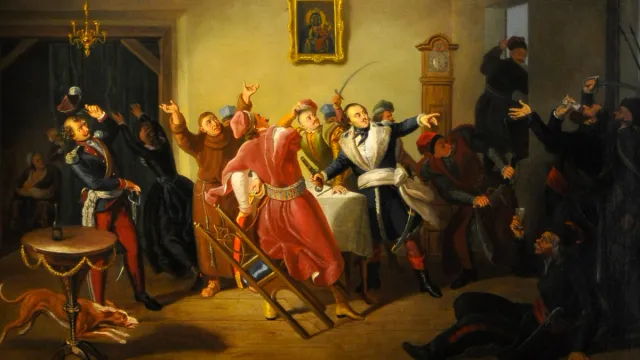
Muzeum im. Kazimierza Pułaskiego w Warce
The calling card of Warka, a small town a dozen or so kilometres south of Warsaw, is… “Warka” beer. However, the town also has other attractions to offer, such as the Kazimierz Pułaski Museum, which adults and children can explore with the help of audio guides.
The museum is housed in a well-kept manor house. Audio guides in versions for adults and for children lead visitors through the splendid manor interiors. There we meet figures whose names are written in letters of gold in the history of both Poland and the United States of America.
Helping to bring the atmosphere of events from centuries ago closer is the former owner of the palace and of the whole of Warka – Józef Pułaski, father of the legendary Kazimierz Pułaski, who won fame for his heroic fight against the Russians during the Bar Confederation and for his part in the American War of Independence.
The other protagonists of our audio guides are Helena Modrzejewska and Henryk Sienkiewicz.
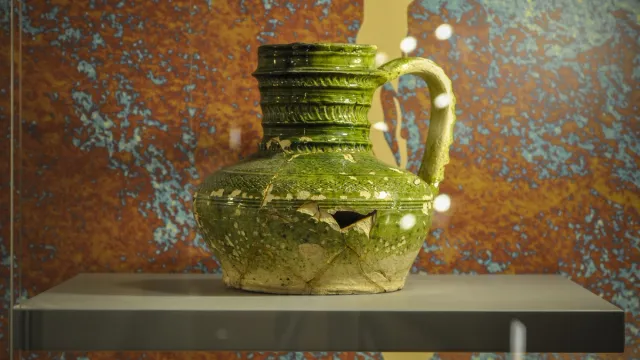
Podziemne Przejście Turystyczne
Jarosław, a town of several tens of thousands of inhabitants between Rzeszów and Przemyśl, has a fascinating thousand-year history and many first-class historic monuments. It has also recently gained an interestingly arranged underground tourist route that takes you back to the heyday of this town on the San. Of course, the audio guide is the best guide on this journey!
The entrance to the underground is located in one of the most beautiful townhouses on the Market Square. Listening to the audio guide, we wander through an intricate labyrinth of narrow corridors and somewhat more spacious chambers. Along the way we meet a local potter, peek into an old Polish burgher's kitchen and fraternise with hunters.
A major highlight is a visit to Jarosław during its famous fair, which attracted merchants from all over Europe and even from Asia and Africa!
The audio guide also takes you to the old San River, to the port of Jarosław, to board a galar or szkuta river barge and sail downstream with rich cargo all the way to Gdańsk.
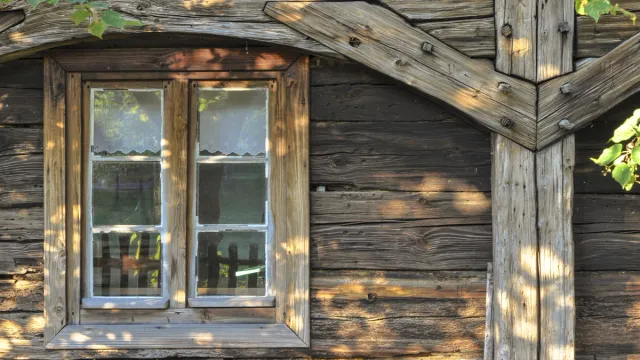
Muzeum Etnograficzne w Zielonej Górze z siedzibą w Ochli
It takes a dozen or so minutes to get from the centre of Zielona Góra to Ochla. For years, this former village has been attracting tourists with its beautifully situated open-air museum full of attractions.
A walk with the audio guide lets you discover the culture of several ethnographic regions: Western Greater Poland, Lower Silesia, Eastern Lusatia, the central Lubusz area and historical Bukovina (a land divided between Ukraine and Romania).
Muzeum Romantyzmu w Opinogórze
Off the beaten track, far from the tourist hubs, you can find places marked by history and imbued with something usually referred to as genius loci. One such place is certainly Opinogóra near Ciechanów in Mazovia and its Museum of Romanticism.
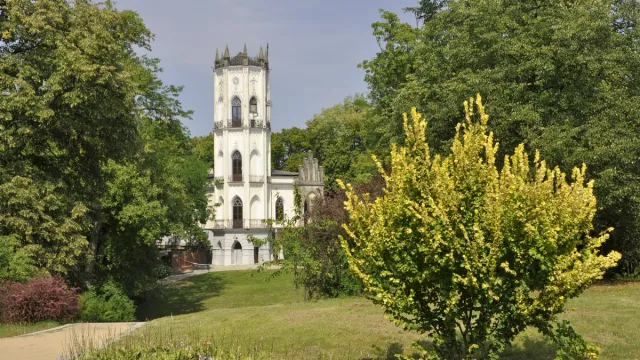
Low hills rise from the Mazovian plain. Old trees grow on them, and in their shade lie the buildings of a manor house, an annex and a chapel. Suddenly, in this homely landscape, we spot the slender neo-Gothic tower of a castle. Who built it, and whose home was it?
The castle was a gift for Zygmunt Krasiński and his wife. Although the poet, ranked alongside Mickiewicz and Słowacki, spent his life travelling, he visited Opinogóra from time to time, staying on those occasions in this very romantic castle.
Today the castle and the neighbouring buildings house the Museum of Romanticism. The audio guide leads you unhurriedly through the castle rooms, telling the story of the national bard's life and showing the mementoes he left behind.
Muzeum Fortyfikacji i Broni Arsenał w Zamościu
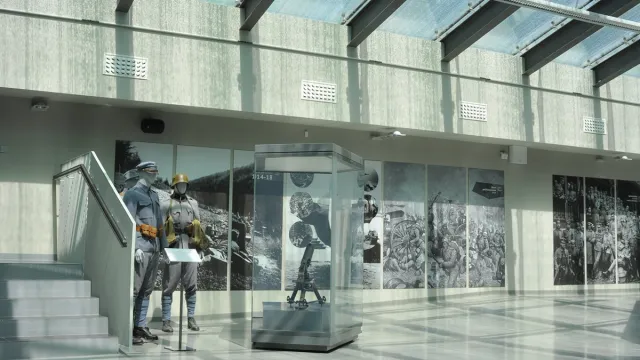
Sooner or later, tourists visiting Zamość make their way to the historic Arsenal, which houses the unique Museum of Fortifications and Weapons.
It is a real treat, especially for military enthusiasts.
Zamość was an unconquered fortress for over 200 years. Our audio guide begins in the Powder Magazine, where together we watch an impressive projection about the history of the fortress. Then we move on to the 17th-century building of the arsenal proper – it houses a magnificent collection of cannons, edged weapons, pistols and rifles. From the arsenal, the tour route leads to a new pavilion, where 20th-century weapons can be admired.
The audio guide is available in Polish, English, German and Russian.
After visiting the museum, you can explore the town with another audio guide, available at the tourist information office in Zamość Town Hall.
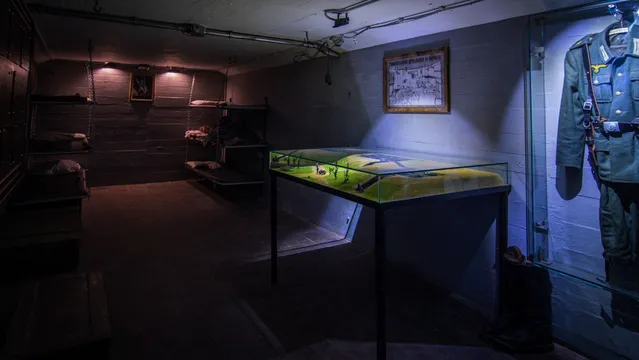
Bunkry Blüchera
Ustka cannot complain about a lack of attractions that draw tourists. It has a wonderful clean beach, a long promenade, spa traditions, historic monuments, a beautiful harbour… And these treasures are "guarded" by a fortress located on the dunes in the western part of the town, known as the Blücher Bunkers. Interestingly, you can go inside the bunkers and, with the help of the audio guide, take a peek at what everyday life was like in the concrete fortress.
The Blücher Bunkers were built in Ustka in the interwar period, when the town still belonged to Germany. The Nazis assigned them a special purpose, which you will discover on site while touring the bunkers with the audio guide.
After the war, the bunkers were forgotten and the mighty structures began to be covered by sand. In the 21st century, thanks to the work of a handful of enthusiasts, the bunkers came back to life as a tourist attraction.
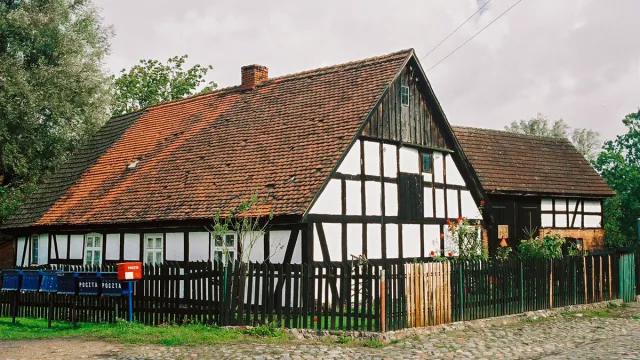
Muzealna Zagroda Albrechta
Do you know where in Poland the "Chequered Land" (Kraina w Kratę) is? If not, be sure to get in your car, on a train or a bus and head for Słupsk; once you are in this beautiful town, ask about Swołowo and go there as quickly as you can. In Swołowo you will have reached your destination. After touring the Swołowo open-air museum – with an audio guide, of course – you will know almost everything about the "Chequered Land".
Swołowo is a Pomeranian village where old houses, barns, stables and other buildings constructed using the half-timbered technique have survived. Their characteristic feature is the special construction of the walls: black beams forming a chessboard pattern with white infill. That is where the name "Chequered Land" comes from.
In the open-air museum we recommend visiting, for example, the Albrecht Farmstead. It consists of a spacious farmhouse and farm buildings which together form a quadrangle with an entrance gate. The audio guide takes us back a hundred years and shows how wealthy farmers in Central Pomerania lived and farmed.
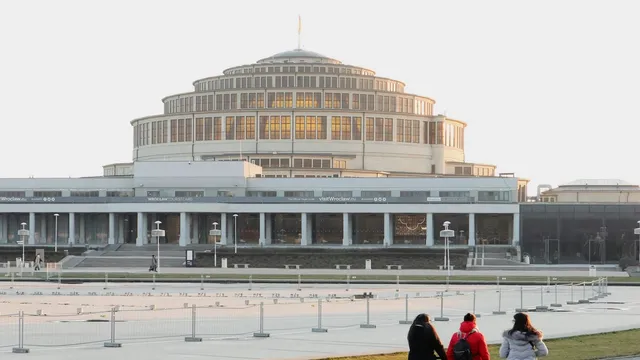

Hala Stulecia
Jahrhunderthalle, Centennial Hall, Hala Ludowa and finally Hala Stulecia – these are the various names of one monumental building that is the pride of Wrocław. Because of its artistic value, the hall was inscribed on the UNESCO World Heritage List in 2006, which further increased the number of tourists wishing to see it. Anyone interested can tour the hall with an audio guide available in several language versions.
Centennial Hall has stood in Wrocław's Szczytnicki Park for more than a hundred years. The idea of building it emerged at the beginning of the last century, when it was decided to hold a great exhibition in Wrocław presenting the economic – and not only economic – achievements of Silesia as one of the provinces of the German Empire. The enormous hall was to be a symbol of its dynamic development.
The building was designed in the modernist style by the local architect and urban planner Max Berg. His work went down in history.
Thanks to the audio guide, we learn about all the circumstances of the hall's creation and its construction secrets. The audio guide leads us through impressive corridors and nooks and crannies, finally revealing the hall itself, which amazes with its size and technological solutions.
It is worth stressing, however, that this is an attraction for everyone, not just for engineers!
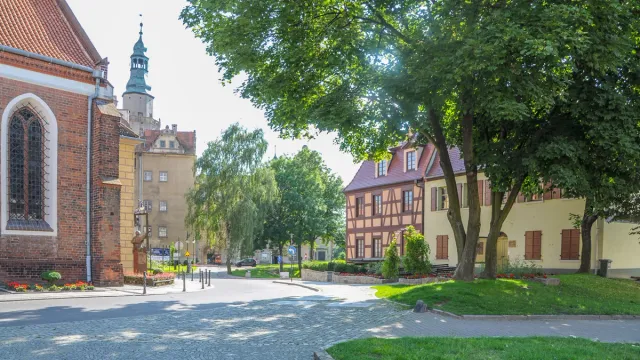
Oleśnicki Dom Spotkań z Historią
With a population of thirty-five thousand, Oleśnica today remains in the shadow of nearby Wrocław, yet for many centuries it competed with the capital of Lower Silesia as the centre of an independent duchy. In the 21st century, local enthusiasts of the town and its history created a place where that history is cherished and presented in an engaging way. This is the Oleśnica House of Encounters with History (Oleśnicki Dom Spotkań z Historią), which can also be explored with an audio guide.
The House stands on Bociania Street in the historic centre of Oleśnica, next to the magnificent castle and the centuries-old Basilica of St John the Apostle. The exhibition is laid out over two floors. The audio guide is rented on the ground floor. It soon leads us to the first room, with a large model reconstructing medieval Oleśnica. Here we learn about the town's early centuries.
From the model room we move on to the so-called Media Library with its numerous multimedia stations, and then climb up to the first floor. There we meet the successive crowned heads who ruled the Duchy of Oleśnica, watch an 18th-century theatre performance and delve into the town's recent German and Polish history.
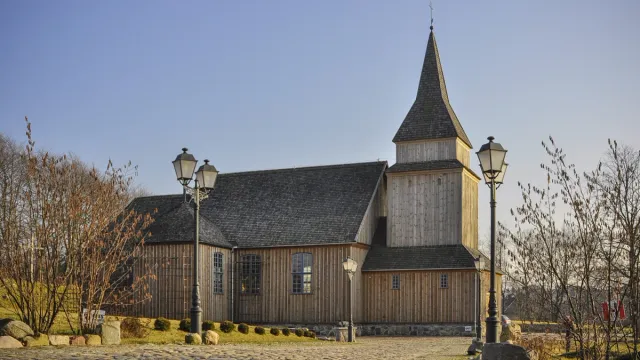
Drewniany Kościół w Sierakowicach
Sierakowice is a large Kashubian village, known for its tourist attractions and for cultivating regional traditions. The most interesting historic site in Sierakowice is a two-hundred-year-old wooden church standing near the parish church of St Martin.
The church was founded at the beginning of the 19th century by the then owner of Sierakowice. It was built using the log technique, which is almost never found in Kashubia today. With the audio guide, we explore the building both outside and inside.
Interestingly, you can take the tour while listening to the guide in Kashubian!
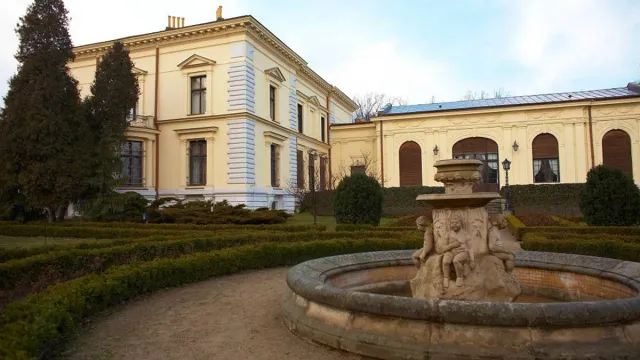
Muzeum Pałac Herbsta w Łodzi
Łódź has a very particular history, shaped mainly by the 19th-century industrial boom that turned a village into an urban behemoth within a short time. The picture of that Łódź is made up of austere workers' settlements and the opulent palaces of factory owners. The latter, such as the Herbst Palace, neglected during the period of the Polish People's Republic, are regaining their former splendour and are open to visitors with an audio guide.
The Herbst Palace Museum is located near the workers' estate of Księży Młyn. With the audio guide we can explore the carefully restored palace interiors, dazzling in their opulence, discovering not only exquisite objects but also the colourful stories of their former owners.
Next to the palace lies an equally painstakingly restored park, where we can take a break from the museum's attractions. Afterwards, however, it is worth stopping by the former palace stables, where works by master painters are on display. The collection is truly impressive!
The Herbst Palace Museum audio guide is also available in a version for blind visitors.
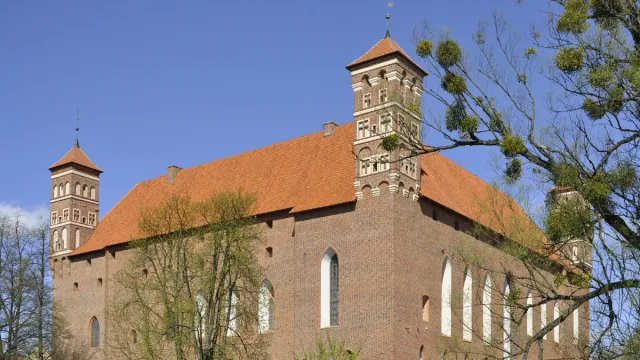

Zamek Biskupi w Lidzbarku Warmińskim
In the 14th century, work began in Lidzbark in Warmia on a brick castle that was soon to become the seat of the Bishops of Warmia. Happily, the building still stands today and ranks among the most valuable monuments of Gothic architecture in Poland.
The audio guide was prepared specifically for blind and partially sighted people using the audio description method. It guides visitors through the exhibition opened in 2016 entitled “The Building History of the Bishops' Castle in Lidzbark Warmiński”. Visitors not only learn the facts but can also touch special models and selected exhibits. Information in Braille placed throughout the exhibition is also helpful.
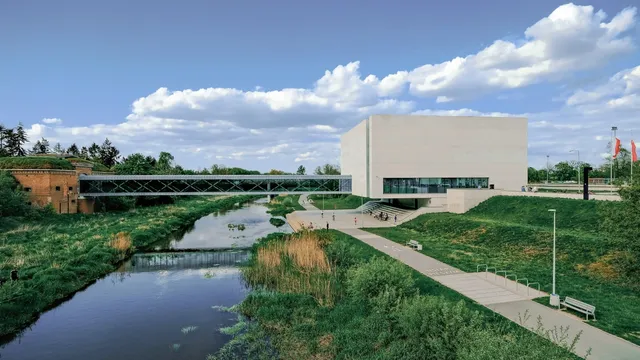

Brama Poznania ICHOT
The world is racing ahead, changing before our eyes. In the 21st century, museums too are becoming more modern, adapting to tourists' expectations. Setting the trends is the Gate of Poznań (Brama Poznania) in the capital of Greater Poland – a pioneering Interactive Centre for the History of Ostrów Tumski.
The Gate of Poznań stands next to Ostrów Tumski, or Cathedral Island, in Poznań, facing the ancient cathedral across the river. The site consists of a modernist main building and a restored 19th-century sluice that was once part of the Poznań Fortress.
In the modern building we learn everything about the beginnings of Poznań and of the Polish state, as well as the history of Ostrów Tumski. Thanks to the audio guide we get to know this absorbing yet intricate subject easily, pleasantly and, above all, in an attractive way.
The family audio tour provides great fun for children and parents alike!

Instytut Wzornictwa Przemysłowego
Contrary to what most young people think, design is not a 21st-century discovery – the creation of useful and beautiful things that go on to serve millions has a much longer tradition. Warsaw's Institute of Industrial Design was founded just a few years after the end of the Second World War, ahead of many renowned centres of its kind in the most highly developed countries.
Interestingly, the institute not only creates good designs, but also promotes them. For this purpose, it also makes use of a modern audio guide system that guides visitors around the industrial design exhibition traditionally presented at the IWP headquarters in the centre of Warsaw, on Świętojerska Street.
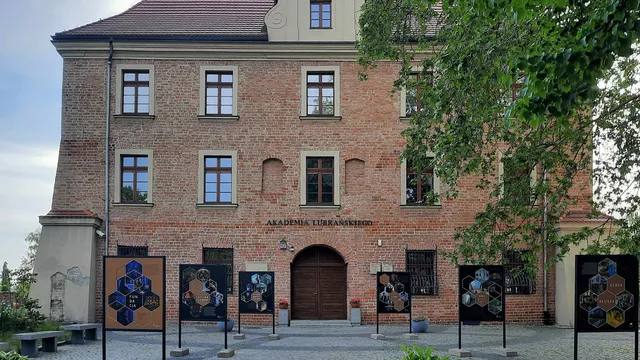

Muzeum Archidiecezjalne w Poznaniu - Akademia Lubrańskiego
On Ostrów Tumski in Poznań, next to the cathedral, stands the building of the former Lubrański Academy – a college founded in 1519 by Bishop Jan Lubrański. Today it houses the Archdiocesan Museum, which presents a rich collection of sacred art.
The app with an audio guide, available on the App Store and Google Play, takes you around the museum's permanent exhibition. It also includes tours of temporary contemporary art exhibitions organised by the Fundacja Akademia Jana Lubrańskiego (Jan Lubrański Academy Foundation).
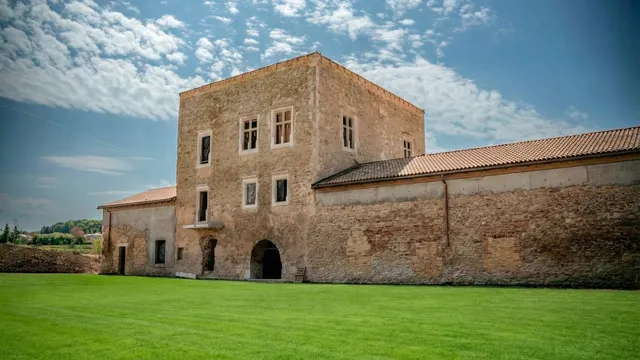

Zamek Ćmielów
Ćmielów Castle is a Gothic-Renaissance gem rising in the valley of the Kamienna River, with a history dating back to the 15th century. After years of silence, the castle is coming back to life, combining the heritage of the past with a fresh take on culture and music.
The app takes you on a journey through the castle and its history. Explore at your own pace and discover stories about its former owners and the history of this place. The app can be downloaded from the App Store and Google Play.


Muzeum Sztuki Azji
In the heart of Toruń's Old Town, on the Old Town Market Square, stands the medieval House Under the Star (Kamienica pod Gwiazdą) – one of the finest burgher houses in the city. Today it is home to the Museum of Asian Art, which brings together exhibits from China, Vietnam, Japan, India and Indonesia.
The audio guide app takes you through the permanent exhibition and brings the art and culture of faraway countries closer to you. There are separate tour routes for adults and for children, as well as audio description and recordings in English and German. You can download the app from the App Store and Google Play.
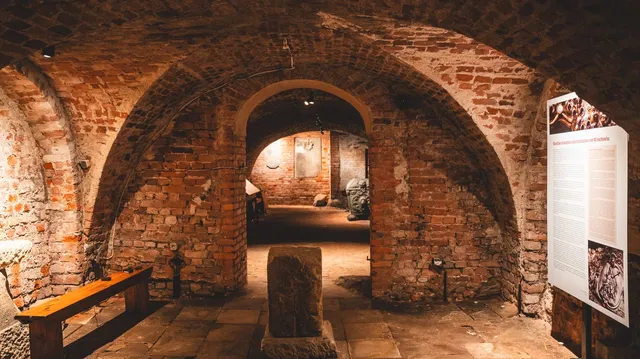

Kościół św. Wojciecha we Wrocławiu
The Church of St Adalbert is one of the oldest churches in Wrocław, linked since the 13th century with the Dominican Order, whose friars still run the monastery here today. Adjoining the church is the Baroque chapel of Blessed Ceslaus (Czesław) – a Dominican, founder of the order's Silesian province and patron of the city, who, according to tradition, defended Wrocław against the Mongol invasion in 1241.
The audio guide app, available on the App Store and Google Play, lets you explore the church on your own. Professional voice-over recordings tell the history of the church and of the Order of Preachers, while descriptions of the key points of the interior help you discover its architecture and treasures.
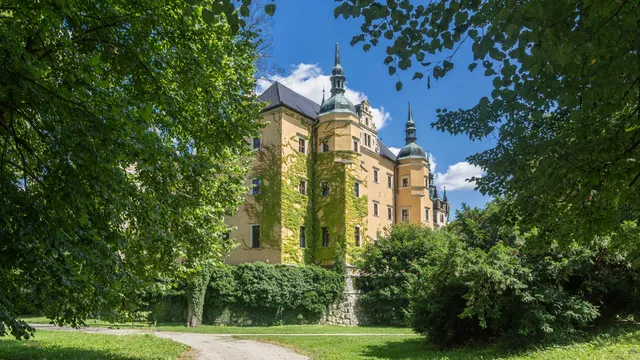
Zamek Kliczków
Kliczków Castle is one of the most beautiful residences in Lower Silesia, set amid the Lower Silesian Forest. Its spacious courtyards, monumental halls and mysterious corridors hold the stories of former owners and secrets that have accumulated over the centuries.
The audio guide app invites you on a fascinating journey through time. A professional narrator will show you around the castle, and you will collect virtual badges for each completed point of the tour. Whether you have come for a conference, to relax at the spa or for a walk in the surrounding area – download the app from the App Store or Google Play and feel the spirit of the castle.


Saint Gobain
Saint-Gobain is one of the world's largest manufacturers of building materials and glass, also present in Poland. For the company, we developed an audio solution that conveys information to its audience in an accessible way.
Professional voice-over recordings and a well-thought-out narrative make the content clear and engaging, and listeners can take it in at their own pace.
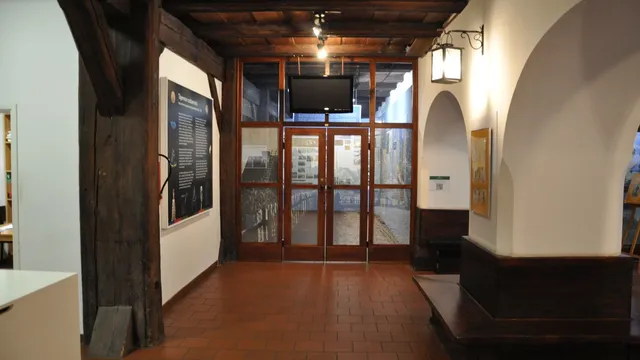

Muzeum Etnograficzne im. Marii Znamierowskiej-Prüfferowej w Toruniu
The Maria Znamierowska-Prüfferowa Ethnographic Museum in Toruń is a place where the rural culture of the past comes to life. In the very heart of the city, right next to the Old Town, there is an ethnographic park with historic cottages, farmsteads and farm buildings, while the main museum building hosts exhibitions devoted to the traditions, crafts and everyday life of the region's former inhabitants.
The audio guide will help you discover the stories behind the exhibits and old customs. It turns your visit into a fascinating tale of our ancestors' world, which you can explore at your own pace.
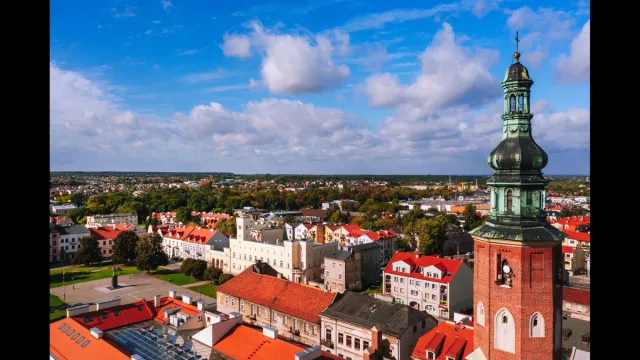
Przewodnik po Ziemi Radomskiej
The Radom region is full of history, historic monuments and interesting places worth discovering. From Radom, with its rich past, through Renaissance Szydłowiec, to forest-ringed Pionki – each town has its own unique story.
The Przewodnik po Ziemi Radomskiej (Guide to the Radom Region) app lets you explore the region at your own pace. It guides you around Radom, Szydłowiec and Pionki, telling you about their most important attractions. You can download the app from the App Store and Google Play.


Dolina Zajęcza - Trójmiejski Park Krajobrazowy
Dolina Zajęcza (Hare Valley) is a wooded valley in Gdańsk, right next to the headquarters of the Trójmiejski Park Krajobrazowy (Tricity Landscape Park), accessible from Polanki Street. A short educational trail, about one kilometre long, has been laid out here, with a brown hare as your guide. Along the way, you learn about the landforms, trees, birds and amphibians that inhabit the park.
The trail was designed with everyone in mind – including wheelchair users and blind and deaf visitors. Murals, information boards, tactile bas-reliefs and a map are complemented by a mobile app launched via QR codes, which turns the walk into an engaging open-air nature lesson.
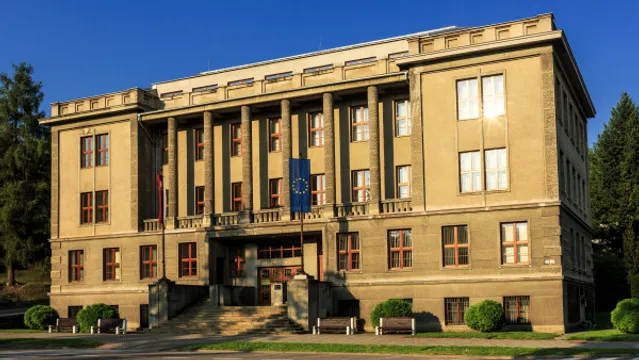
Liptovské Múzeum
Liptovské Múzeum (the Liptov Museum) in Ružomberok is one of the largest regional museums in Slovakia. Its permanent exhibitions tell the story of the nature, history and culture of Liptov – from geology and palaeontology, through archaeology, craft guilds and sacred art, to ethnography and the history of the region.
The app was created as part of the Polish-Slovak project “Open Museums” and serves as a tool for self-guided visits. It was designed with visitors with disabilities in mind, as well as individual visitors and families with children. You can download it from the App Store and Google Play.
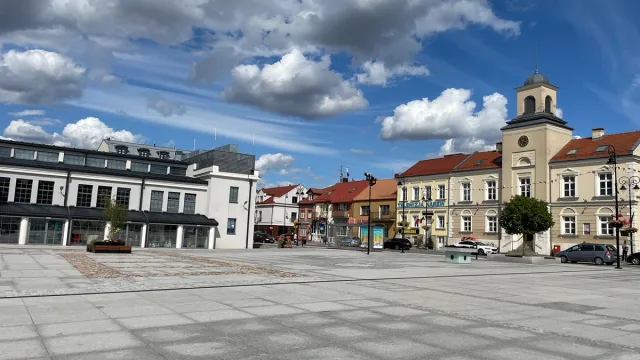

Spacer po Łomży
Łomża is a town on the Narew River in Podlaskie Voivodeship. Its landmarks include the Old Market Square (Stary Rynek) with its townhouses and the Cathedral of St Michael the Archangel, while the Jesuit college founded in 1614 gave rise to one of the oldest secondary schools in Poland.
We prepared a mobile app for Android and iOS phones with two sightseeing routes: a shorter one around the Old Market Square (approx. 1.5 hours) and a longer one that goes beyond the Old Town (approx. 3 hours). GPS and offline maps make it easy to find each successive stop.
The audio guide is available in Polish and English.
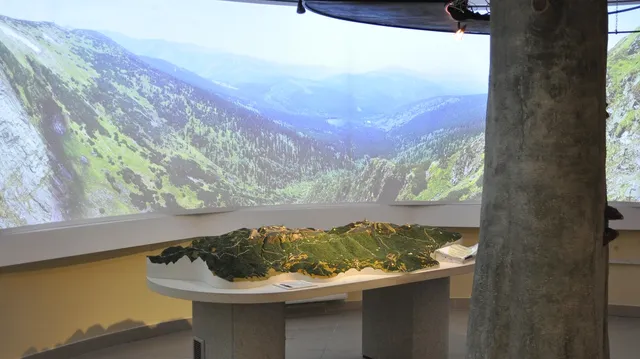
Karpackie Widoki
Karpackie Widoki (Carpathian Views) is a Polish-Slovak project dedicated to discovering the beauty of Carpathian panoramas. Its showcase is the observation tower in Czarnorzeki, in the Korczyna municipality near Krosno, which offers a sweeping view of the mountain ranges of Subcarpathia.
The Karpackie Widoki mobile app, available on the App Store and Google Play, guides visitors around the region's attractions, including a walking and cycling trail. It tells the story of the area's nature, history and most beautiful viewpoints, so you can plan and enjoy your trip independently.
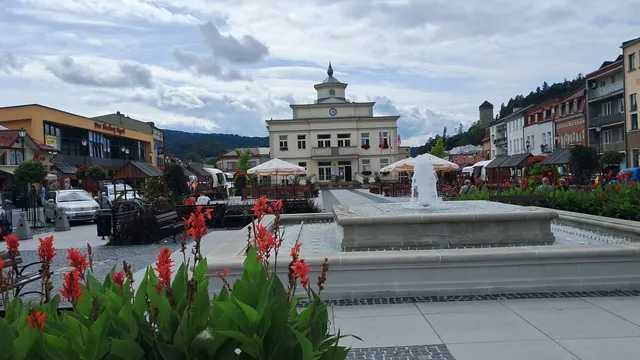
Wycieczka miejska po Muszynie
Muszyna is a charming spa town in the Sądecki Beskids, famous for its mineral waters, peaceful atmosphere and beautiful scenery. The former capital of the Muszyna State tempts visitors with historic buildings, the ruins of a hilltop castle and its unique sensory and biblical gardens.
The audio guide takes you on a walk around the town and tells the story of its history, spa traditions and most interesting places. With it, you can explore Muszyna at your own pace and learn more about what makes so many guests keen to return.
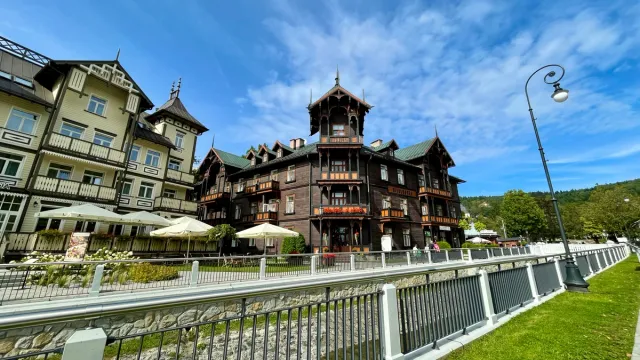
Wycieczka miejska po Krynicy Zdroju
Krynica-Zdrój is the pearl of Polish spa towns, set in the Sącz Beskids. It is famous for its mineral waters, pump rooms, historic wooden spa architecture and the promenade where spa guests have been strolling for more than a hundred years. It is also the town of Nikifor, one of the most celebrated Polish naive painters.
The audio guide invites you on a walk around Krynica. Along the way, you will hear stories about the history of the spa, its historic buildings and its famous guests. All you need is a phone and headphones to get to know the town at your own pace.
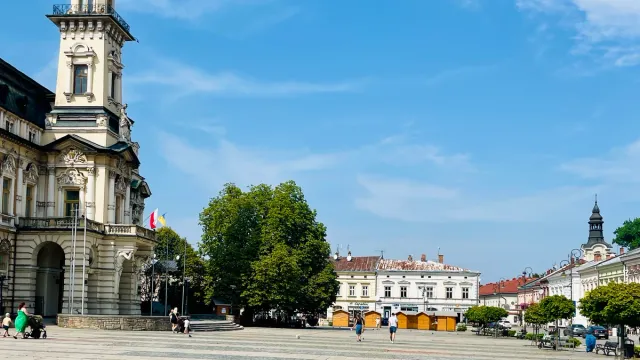
Wycieczka miejska po Nowym Sączu
Nowy Sącz, the capital of the Sącz region, has more than seven centuries of history behind it. The town charms visitors with its spacious market square and eclectic town hall, the Basilica of St Margaret, the remains of the royal castle and historic townhouses, while one of the country's most interesting open-air museums awaits nearby.
The audio guide invites you on a city tour to discover the most important monuments and curious facts from the history of Nowy Sącz. Just set off on a walk and let the story guide you.
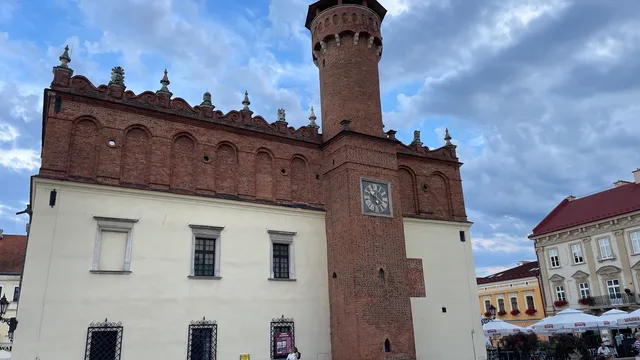
Miejska wycieczka po Tarnowie
Tarnów is known as the pearl of the Polish Renaissance. The preserved medieval layout of the Old Town, the market square with its Renaissance town hall surrounded by arcaded townhouses, the cathedral with the magnificent tombs of the Tarnowski and Ostrogski families, and the traces of the centuries-long presence of the Jewish community make a walk around the town a true journey through time.
Our audio guide invites you on a city tour of Tarnów's most interesting corners. It tells the story of the town, its monuments and the people who shaped it. All you have to do is set off and listen.
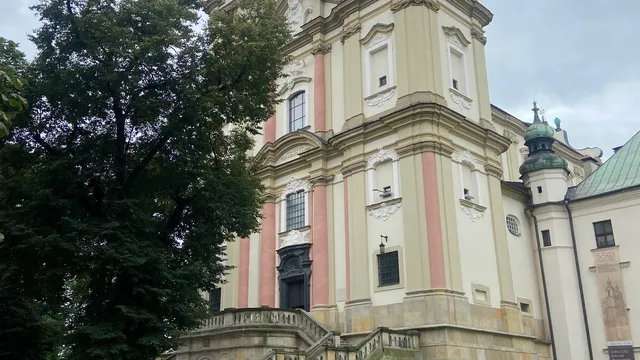
Wycieczka miejska po krakowskim Kazimierzu
Kazimierz is one of Kraków's most atmospheric districts. For centuries it was a separate town, and later the centre of Jewish life in Kraków. Old synagogues, churches, charming courtyards and the cafés around Plac Nowy create a unique atmosphere that draws tourists from all over the world.
The audio guide invites you on a walk around Kazimierz and tells the story of its rich, multicultural history. With it, you will discover the places, people and stories that have shaped this remarkable district.
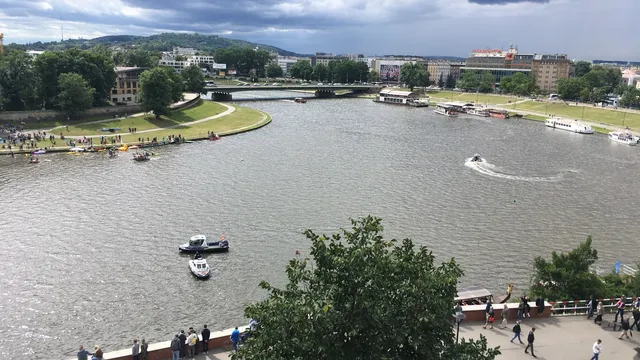
Miejska wycieczka po Krakowie
Kraków is a city you have to see at least once in your lifetime. The former capital of Poland enchants visitors with its Main Market Square, the Cloth Hall and St Mary's Basilica, the Royal Route leading up to Wawel, and atmospheric streets where every townhouse has its own story.
The audio guide invites you on a city walk to discover the most important monuments and curious facts from the city's history. Just put on your headphones and set off – the guide will tell you the rest.
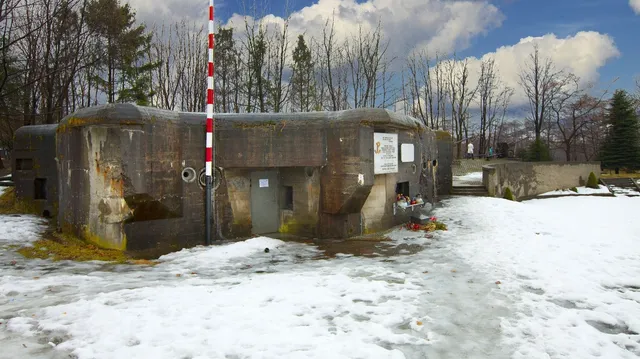
Fort Wędrowiec w Węgierskiej Górce
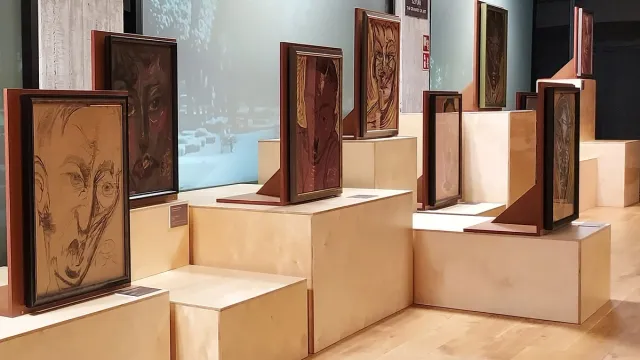
Muzeum Pomorza Środkowego w Słupsku
The Museum of Central Pomerania in Słupsk is housed in a historic castle complex in the heart of the town. The Castle of the Pomeranian Dukes, the Castle Mill, Richter's Granary and the White Granary form a unique space where the region's history meets art. The museum is best known for the world's largest collection of works by Stanisław Ignacy Witkiewicz – Witkacy.
The audio guide lets you explore the museum at your own pace and learn more about the stories behind the objects on display. It is a perfect companion both for art lovers and for those who want to discover the history of Pomerania.
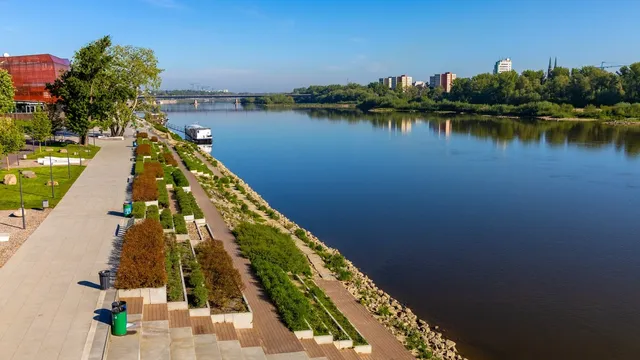
Centrum Nauki Kopernik
The Copernicus Science Centre (Centrum Nauki Kopernik) is one of the most popular places on Warsaw's cultural map. Located on the banks of the Vistula, the centre invites visitors to discover the world for themselves – here you experiment, touch and test things rather than just look at them. Its interactive exhibitions attract families with children as well as adults curious about science.
The audio guide we created helps visitors find their way around the centre and better understand the phenomena on display. It makes the visit even more engaging, and everyone can explore the exhibition at their own pace.
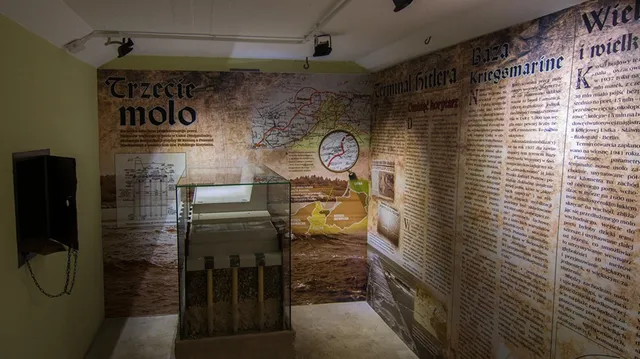
Bunkry Bluechera w Ustce
On the dunes in the western part of Ustka, right by the beach, lies one of the most unusual attractions on the Polish coast. The Bluecher Bunkers are a complex of concrete fortifications built in the interwar period, when Ustka belonged to Germany. Forgotten after the war and gradually buried by sand, today they are welcoming visitors once again.
With the audio guide, you will go inside the fortifications and find out what they were designed to do, what everyday duty looked like in the concrete corridors and how the bunkers were reclaimed for tourists. The story leads you step by step through room after room, making the visit engaging for history enthusiasts and families with children alike.
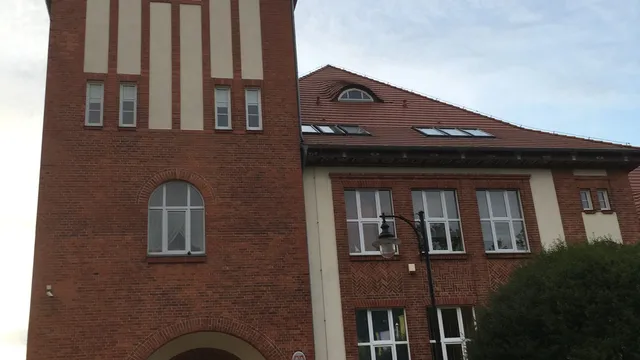
Spacer po Ustce
Ustka is one of the most popular resorts on the Polish coast. It boasts wide sandy beaches, a seaside promenade, a picturesque harbour at the mouth of the Słupia river with its distinctive lighthouse, and the Mermaid statue – the symbol of the town. There are also traces of a turbulent history, such as the Blücher Bunkers hidden in the dunes.
The audio guide invites you on a walk around Ustka, during which you will learn about its history – from a fishing village to a fashionable seaside resort – and discover the most interesting corners of the town. All you need to do is set off and listen.
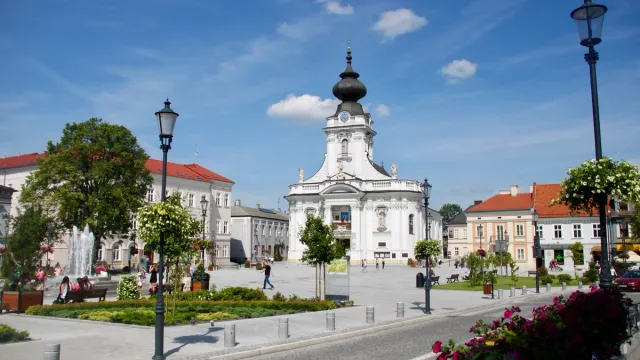

Szlak Galicyjskie Wadowice
Wadowice is not only the hometown of John Paul II, but also a place with a rich Galician history. The Szlak Galicyjskie Wadowice (Galician Wadowice Trail) links 13 sites connected with the town's past, letting you discover them from a completely new perspective.
A Galician cab driver guides you from one point on the trail to the next. The app, available on the App Store and Google Play in Polish, English and German, is based on geolocation – it plots a route to the selected site and automatically plays the commentary when you arrive. The descriptions are complemented by photos, and the whole experience is enriched by an outdoor game.
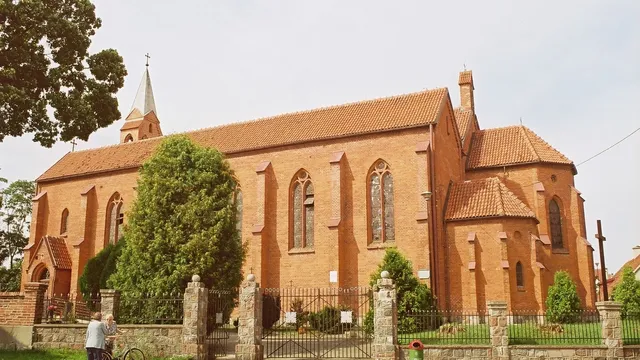

Wdzydzki Park Krajobrazowy
Wdzydzki Park Krajobrazowy (Wdzydze Landscape Park) lies in Kashubia, in Kościerzyna County, and covers almost 18,000 hectares of forests, lakes and river valleys in the Wda basin. Its most important feature is the Wdzydze Lakes, known as the “Kashubian Sea” – a group of connected lakes with a distinctive cross shape. The park was established in 1983.
We created a mobile app that guides visitors around the park. Thanks to GPS, stories about the nature, landscape and Kashubian culture of the region play at the right points along the route, so the area can be explored at your own pace.
The app is available in Polish.
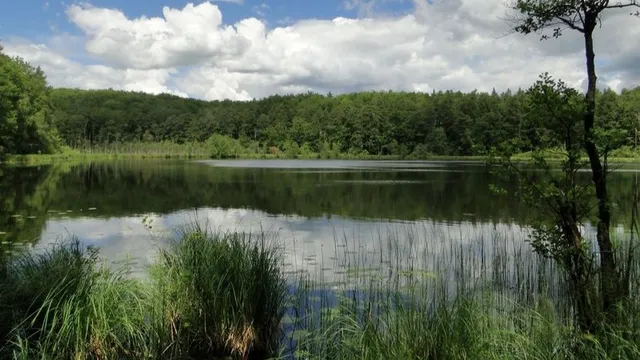

Trójmiejski Park Krajobrazowy
Trójmiejski Park Krajobrazowy (Tri-City Landscape Park), established in 1979, is one of the oldest landscape parks in Poland. It covers almost 20,000 hectares on the edge of the Kashubian Lake District moraine upland, within the Tri-City agglomeration. Forests, mainly beech, cover over 90% of its area, and the most valuable parts are protected in ten nature reserves.
We prepared a mobile app for Android phones that presents the park's natural, cultural and landscape assets. Thanks to GPS, the nature reserves and natural monuments described in the app are easier to find on site.
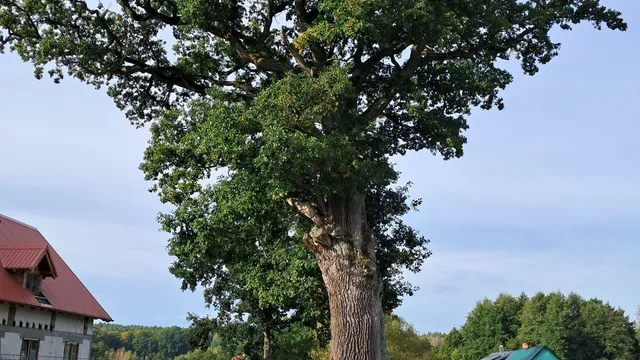

Park Krajobrazowy Dolina Słupi - Spacerownik
Park Krajobrazowy “Dolina Słupi” (Słupia Valley Landscape Park), established in 1981, protects the valley of the River Słupia in Pomerania. Forests cover about 72 per cent of its area. At the heart of the park lies Gałąźnia Mała, home to one of the oldest hydroelectric power stations in this part of Europe, completed in the 1920s.
We created a mobile app for Android and iOS phones with an audio guide to the nature trail in Gałąźnia Mała. The recordings accompany the walk and tell the story of the valley’s nature, and the trail can be explored at your own pace.
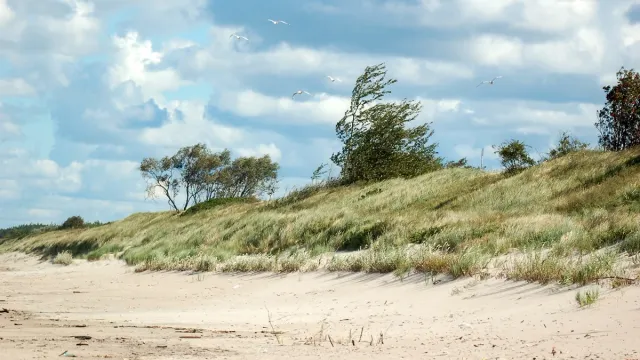
Park Krajobrazowy Mierzeja Wiślana
The Park Krajobrazowy “Mierzeja Wiślana” (Vistula Spit Landscape Park) was established in 1985 on the narrow strip of land between the Baltic Sea and the Vistula Lagoon. The park covers about 44 km² in Nowy Dwór County and lies entirely within the Natura 2000 network.
We created a mobile app for Android phones – a tourist and nature guide to the park and its buffer zone. The app presents the park’s history, its flora and fauna and its tourist attractions, and with GPS and a map it makes it easier to find your way around. Near the forest car park in Piaski, visitors can play a quest about the landscape and natural values of the Spit.
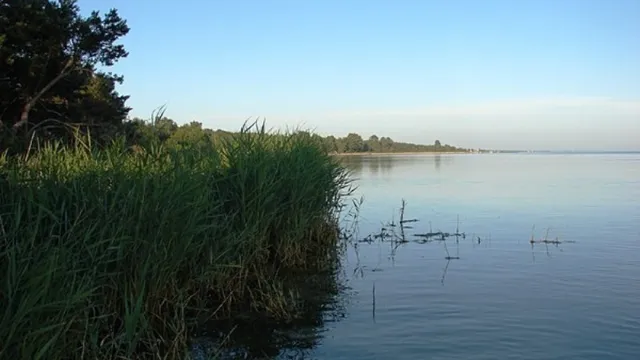

Nadmorski Park Krajobrazowy
Nadmorski Park Krajobrazowy (Coastal Landscape Park), established in 1978, lies in Puck County and covers the coast of the Baltic Sea and the Bay of Puck. It features every type of coastline typical of the southern Baltic – beaches, cliffs, dunes and spits – as well as peat bogs, pine forests and a beech forest reserve on Cape Rozewie.
We have created a mobile app that works as a guide to the park. It contains information on nature reserves, natural monuments and the most valuable species, suggested excursions, and walking, cycling and kayaking trails. Thanks to GPS, it is easy to find your way and plan your own route.
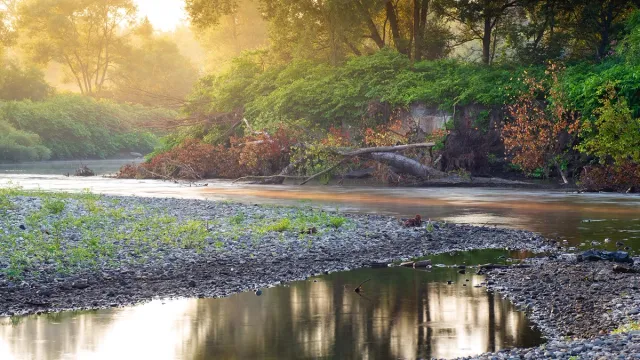

Morawskie Wrota
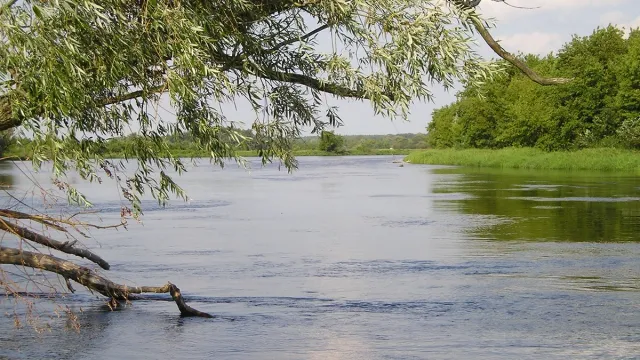
Zielony Szlak Niziny Mazowieckiej
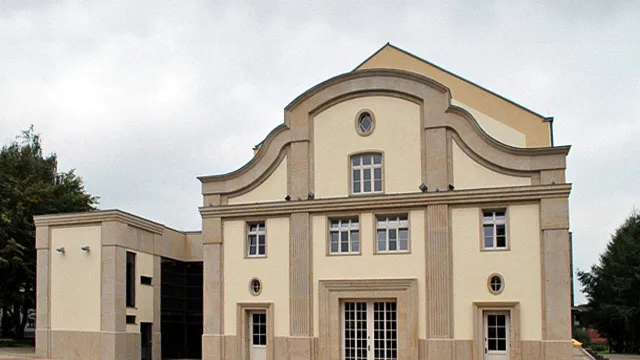
Czechowice Dziedzice - Czechowicka Skarbnica
Czechowice-Dziedzice is a town in Cieszyn Silesia, created in 1951 by merging two villages with medieval roots. From the late 19th century Dziedzice developed as a railway junction and industrial centre – until 2020 it was home to Poland’s last match factory.
We created the “Czechowicka Skarbnica” (Czechowice Treasury) app for Android and iOS phones for the Municipal Cultural Centre as part of the Polish-Slovak project “Open Museums”. The recordings allow visitors to explore independently at their own pace – with families with children, individual visitors and people with disabilities in mind.
The audio guide is available in Polish, English and Slovak, with audio description for blind and partially sighted visitors and a version in Polish Sign Language.
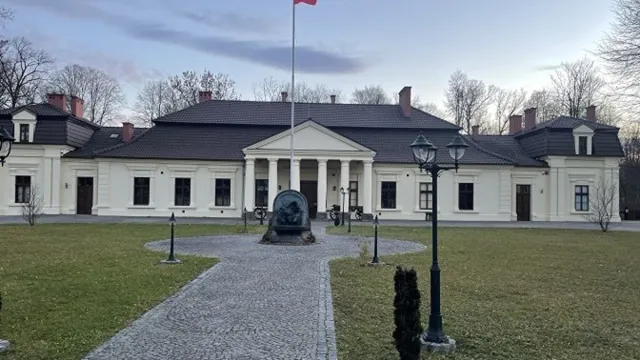

Dwór w Ropie - Skarby Karpat
Ropa is a picturesque village in Gorlice County, located on the threshold of the Low Beskids, in the valley of the river of the same name. Dwór w Ropie, the manor house in Ropa, is a place full of history, beauty and nature, where traditional Old Polish hospitality and cuisine with a Carpathian touch have been cultivated for years.
The Skarby Karpat (Treasures of the Carpathians) app invites you to explore the manor and its surroundings. In it, you will find stories about the history of the place and the region, as well as practical information to make your stay more enjoyable – whether you are just stopping by on your way or staying longer. The app can be downloaded free of charge from the App Store and Google Play.
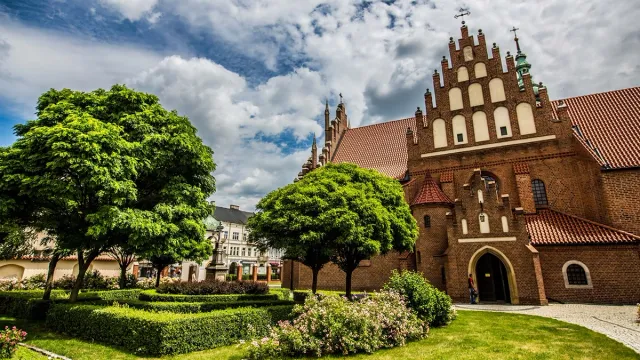
Historia Radomskich Plant
Radom’s Planty are closely linked to the history of the Arms Factory (Fabryka Broni), whose main building was erected in 1925. Between the wars the factory produced Mauser-type rifles, and from 1935 it began series production of the VIS pistol. After the war it operated as the Łucznik Metal Works (Zakłady Metalowe “Łucznik”).
We created an audio guide that tells the story of Radom’s Planty and the Arms Factory associated with them. The recordings can be listened to during a walk, at your own pace.
The audio guide is available in Polish and English.
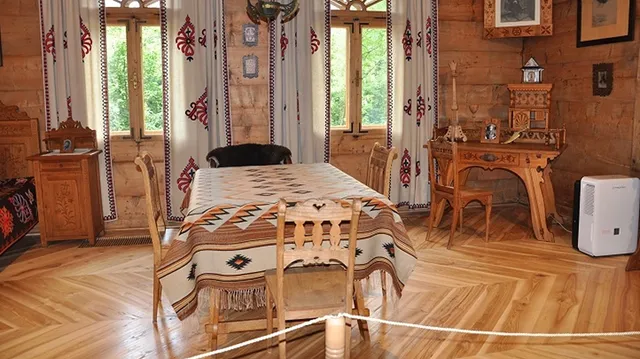

Muzeum Stylu Zakopiańskiego
Villa ‘Koliba’ in Zakopane was the first building erected in the Zakopane Style to a design by Stanisław Witkiewicz. It was built in 1892–1893 for the collector Zygmunt Gnatowski, and since 1993 it has housed Muzeum Stylu Zakopiańskiego (the Museum of Zakopane Style), a branch of the Tatra Museum.
We prepared a mobile app for Android and iOS phones that lets visitors explore the museum on their own. The recordings guide visitors through the villa's interiors and introduce furniture and objects designed in the Zakopane Style.
The app is available in Polish, English and Slovak. It also includes audio description for blind and partially sighted visitors and a version in Polish Sign Language.
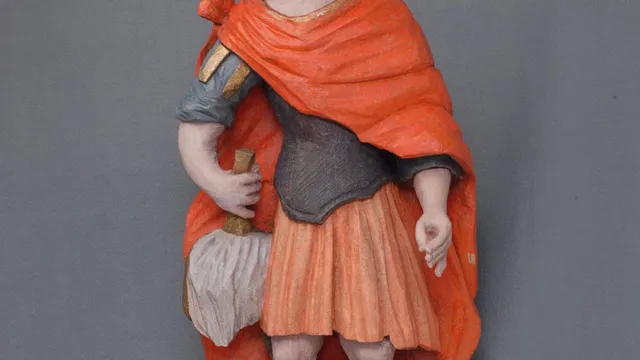
Muzeum Warmii i Mazur w Olsztynie
The Muzeum Warmii i Mazur (Museum of Warmia and Masuria) in Olsztyn is housed in the Gothic castle of the Warmian Chapter. To mark the centenary of the plebiscite, the museum prepared the exhibition “Wersal, plebiscyt i co dalej na Warmii i Mazurach?” (Versailles, the Plebiscite and its Aftermath in Warmia and Masuria), which tells the story of the First World War in East Prussia, the Treaty of Versailles, the plebiscite of 11 July 1920 and everyday life in Olsztyn between the wars.
We prepared a mobile app with an audio guide to the exhibition in Polish and English. The recordings lead through four rooms – from mementoes of the 1914 Battle of Tannenberg, through documents and ballot papers from the plebiscite, to the history of the Tannenberg Monument – and the app also shows photographs of the exhibits with descriptions. For the museum we also created two touchscreen applications: “Stół wersalski” (The Versailles Table) with photographs and recordings, and “Głosowanie” (The Vote), in which visitors cast their vote and the results appear live on the museum's website.
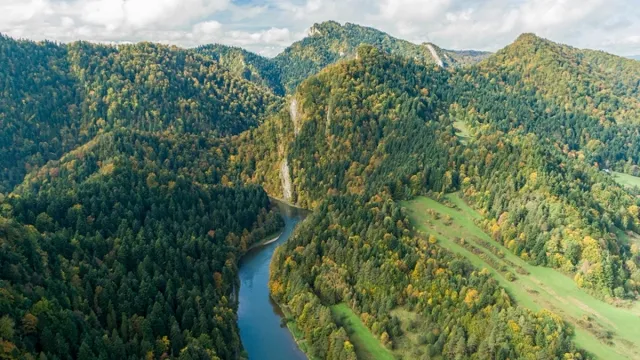
Dunajec Przełom Się
“Dunajec – Przełom się!” is a local brand of the Gorce and Pieniny region, created by the Local Action Group “Gorce-Pieniny”, which has been supporting entrepreneurship and regional heritage here since 2006. Its name refers to the Pieniny Gorge of the Dunajec – a roughly 8-kilometre stretch of the river between Sromowce Niżne and Szczawnica, where the rock walls rise to about 300 metres.
We created a mobile app for Android phones featuring the most interesting walking and cycling routes in the Gorce-Pieniny region. The recordings tell the story of places notable for their location and history, and GPS helps you stay on track.
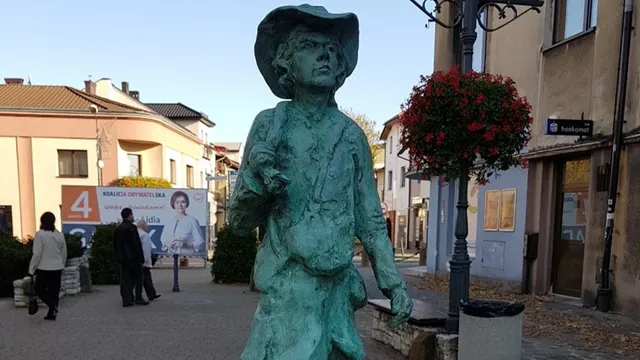
Olkusz - Szlakiem Gwarków
For centuries Olkusz was famous for mining silver and lead ores, and at the turn of the 16th and 17th centuries it had a mint that struck, among other coins, trojak pieces bearing the image of King Sigismund III Vasa. The town’s former miners – the gwarki – are commemorated by the Srebrny Szlak Gwarków Olkuskich (Silver Trail of the Olkusz Miners): 18 bronze figures by Jan Siuta, placed at the most interesting spots in the Old Town.
We created a mobile app for Android and iOS phones that guides visitors along the miners’ trail. The recordings tell the story of the town, its landmarks and its legends, and the route can be explored at your own pace.
The audio guide is available in Polish, English and Russian, as well as in a version with audio description for blind and partially sighted visitors.
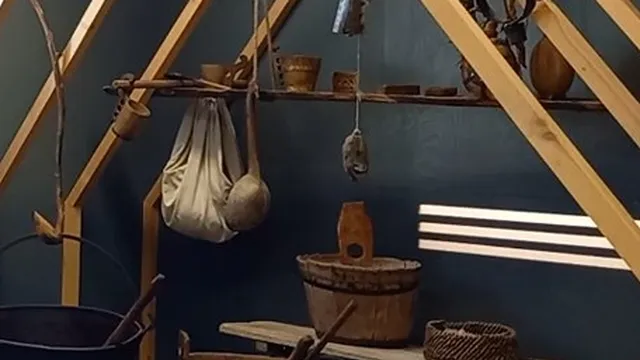
Muzeum Pienińskie w Szlachtowej
The Muzeum Pienińskie im. Józefa Szalaya (Józef Szalay Pieniny Museum) in Szlachtowa presents the culture of the Pieniny highlanders and the history of the region – from rafting on the Dunajec and the story of the Szczawnica spa to the castles and churches of the area. Since 2014 the exhibition has been housed in a former border guard building. Szlachtowa was once the westernmost Lemko village and the centre of the so-called Szlachtowa Ruthenia.
We created a mobile app for Android and iOS phones that works as an audio guide to the museum. The recordings lead visitors through the exhibition and allow them to explore it independently, at their own pace.
The audio guide is available in Polish, English and Slovak, as well as in Polish Sign Language.
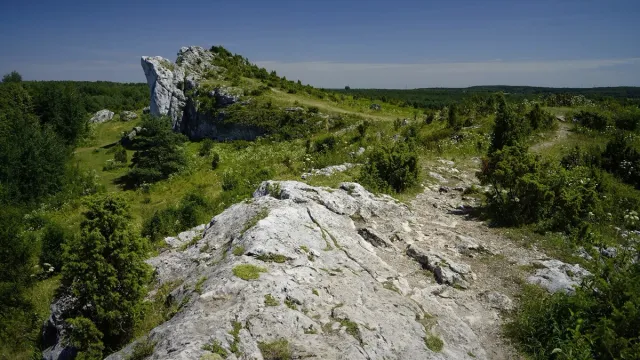

Park Krajobrazowy Orlich Gniazd
Park Krajobrazowy Orlich Gniazd (Eagles' Nests Landscape Park), established in 1980, covers part of the Kraków-Częstochowa Upland on the border of the Silesian and Lesser Poland voivodeships. It is famous for its limestone rocks and the medieval strongholds known as the Eagles' Nests, linked by the Trail of the Eagles' Nests.
We prepared the ‘Park Krajobrazowy Orlich Gniazd’ mobile app, which presents the park's natural, landscape and cultural assets. It lets visitors explore the area at their own pace, whether on foot or by bike.
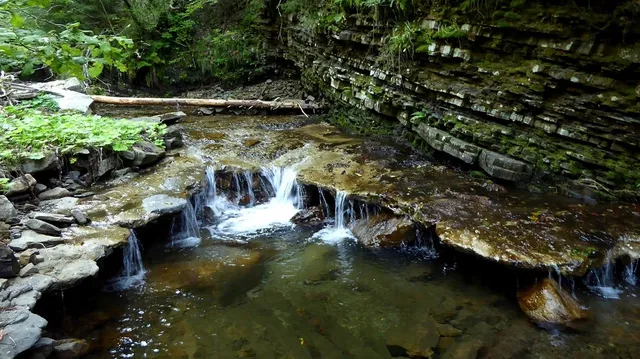
Park Krajobrazowy Beskidu Śląskiego
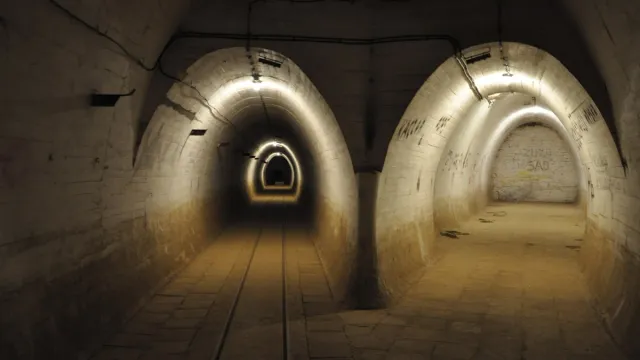

Międzyrzecki Region Umocniony
The Międzyrzecki Rejon Umocniony (Międzyrzecz Fortified Region) is a system of German fortifications built between 1934 and 1944 near Międzyrzecz, in today’s Lubusz Voivodeship. Its underground tunnels, about 32–35 km long in total, are among the largest underground fortifications in the world, and part of them is now a reserve where more than 30,000 bats spend the winter.
We created an audio tour in a mobile app that tells the story of how the fortifications were built and how they worked. The recordings present the structures and the equipment used by the soldiers stationed here, and introduce the current residents of the tunnels – protected species of bats.
The audio guide is available in Polish, English and German.
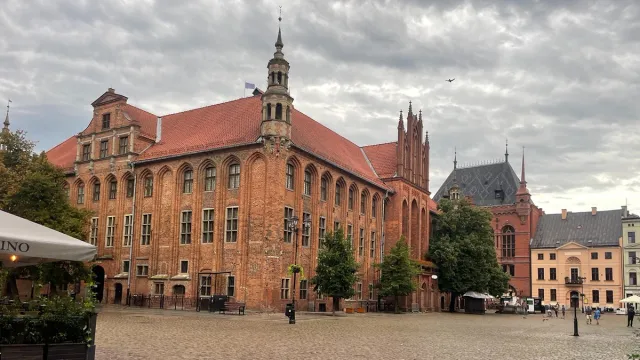
Aplikacja dla miasta Toruń
Toruń, on the Vistula, was granted town rights in 1233. It is the birthplace of Nicolaus Copernicus, born here in 1473. The medieval Old Town, with its Gothic churches and the ruins of the Teutonic Knights' castle, was inscribed on the UNESCO World Heritage List in 1997.
We created an informational mobile app to accompany visitors on a walk around Toruń. It suggests what is worth seeing and lets visitors discover the city at their own pace.
The app is available in Polish.
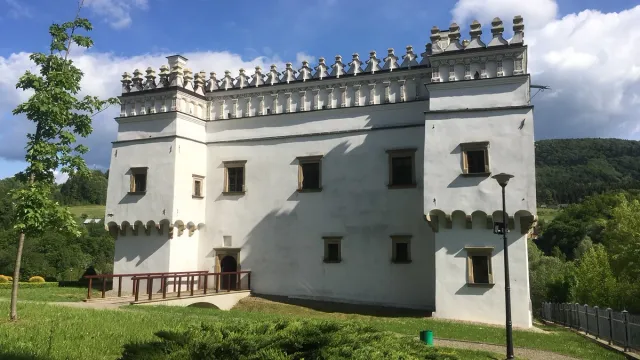
Kasztel w Szymbarku
The Kasztel w Szymbarku (Szymbark Castle) is a Renaissance fortified manor house, built in the 16th century as the seat of the Gładysz family of the Gryf coat of arms. It gained its present appearance – with four corner turrets, a high attic and remnants of sgraffito decoration – around 1590. Today it is a branch of the Muzeum Dwory Karwacjanów i Gładyszów (Karwacjan and Gładysz Manors Museum) in Gorlice.
We created an audio guide in the form of a mobile app that takes visitors around the manor. The recordings present the history of the building and its former owners, and the tour can be taken at your own pace.
The audio guide is available in Polish and English.
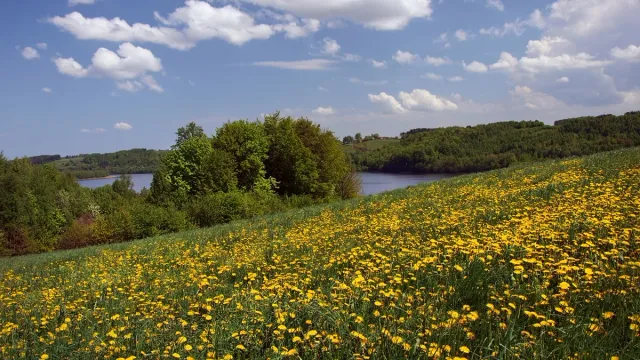

Kaszubski Park Krajobrazowy

Zaborski Park Krajobrazowy
Zaborski Landscape Park (Zaborski Park Krajobrazowy) lies in the Zabory region, in the southern part of Kashubia, within the Tuchola Forest UNESCO Biosphere Reserve. It is a land of forests, lakes and peat bogs, ideal for lovers of hiking and close contact with nature.
The outdoor game app “Poznaj i chroń Zaborski Park Krajobrazowy” (Discover and Protect Zaborski Landscape Park) invites you to actively explore the most interesting places in the park – including those that no tourist trails lead to. It is great fun and learning at the same time. The app can be downloaded from Google Play.
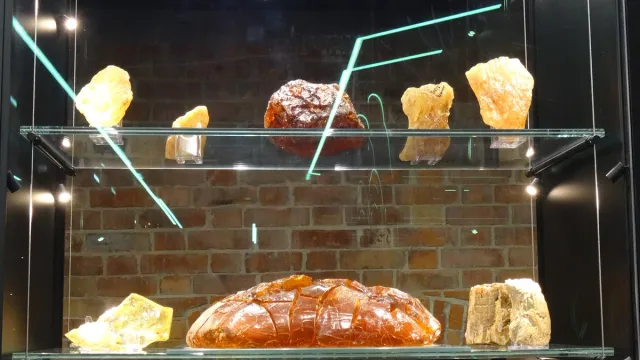

Muzeum Bursztynu w Gdańsku
Since 2021 the Muzeum Bursztynu (Amber Museum) in Gdańsk has been housed in the Great Mill – a building in the Old Town erected by the Teutonic Knights around 1350. The permanent exhibition presents amber both as a product of nature and as an artistic material. Among the most valuable exhibits are inclusions, including a gecko trapped in Baltic amber, and an amber chess set from around 1690.
We created a mobile app for Android and iOS phones with audio description of the permanent exhibition. The recordings describe the displays and the key exhibits, so that blind and partially sighted visitors can explore the museum independently and at their own pace.
The app is available in Polish.
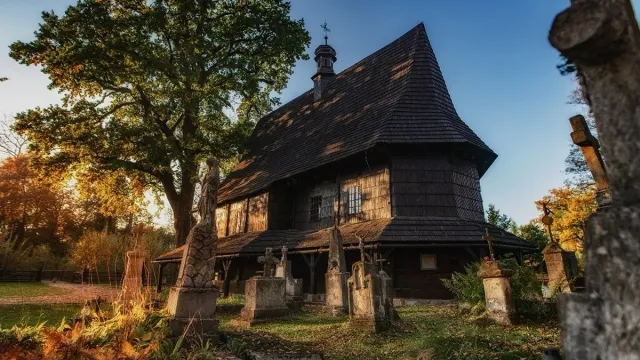
Kościół św. Leonarda w Lipnicy Murowanej
Lipnica Murowana is a former royal town in Bochnia County, granted town rights in 1326 by King Władysław the Elbow-high. Its most precious monument is the 15th-century wooden Church of St Leonard, inscribed on the UNESCO World Heritage List in 2003. Lipnica also has the parish Church of St Andrew – the oldest and largest of the town’s churches – and the Church of St Simon, built on the site of the saint’s family home.
We created a mobile app for Android and iOS phones that tells the history of all three churches. The recordings let visitors explore them at their own pace.
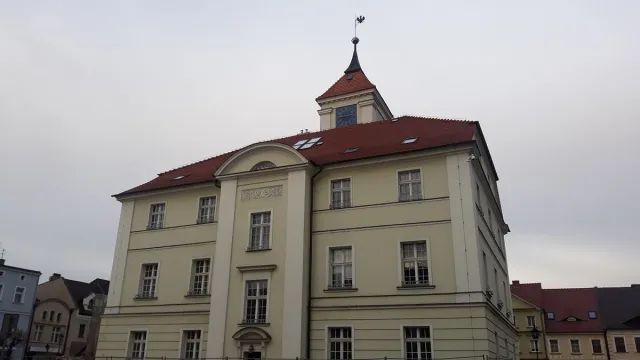
Audioprzewodnik po Kościanie
Kościan is a town in the Greater Poland region, situated on the Obra Canal, with town rights dating back to the 13th century. In the 15th century it was known for cloth-making – King Casimir IV Jagiellon granted Kościan cloth the first trademark in Polish history.
We created a mobile app for Android and iOS phones that invites visitors on a walk around the town and tells the story of its history and landmarks. Thanks to GPS, each recording starts at the right point along the route, and selected stops are enhanced with augmented reality (AR).
The audio guide is available in Polish, English and German, as well as in a version with audio description for blind and partially sighted visitors.
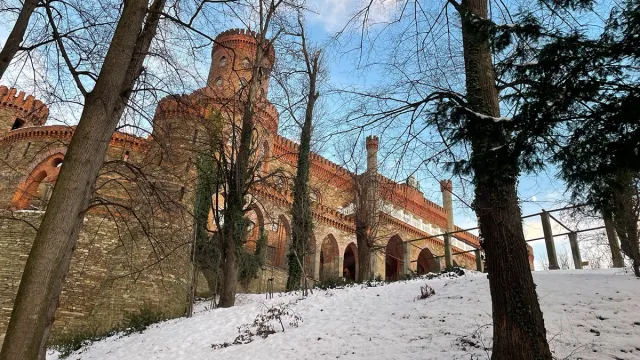

Szlak Marianny Orańskiej

Szlak Wolności i wycieczka zdrojowa po Jastrzębiu Zdrój #mojesjz

Audioprzewodnik po Hrubieszowie
Hrubieszów is the easternmost town in Poland, situated on the River Huczwa in the heart of the Hrubieszów Basin. It lies within the historical Cherven Towns, and numerous early medieval burial grounds and barrows have been discovered in the area.
We created a mobile app for Android and iOS phones that invites you on a walk around the town. The recordings follow a marked route and tell the story of Hrubieszów and its lesser-known corners. The “Hrubieszów Audioprzewodnik” app won first place in the Róża Regionów (Rose of the Regions) competition at the Tour Salon fair in Poznań.
The audio guide is available in Polish and English.
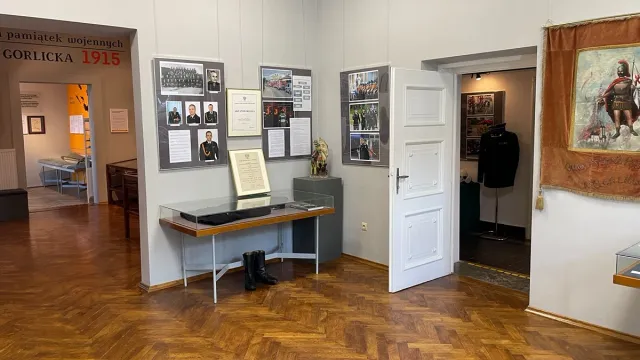
Muzeum Regionalne PTTK w Gorlicach
The Muzeum Regionalne PTTK im. Ignacego Łukasiewicza (Ignacy Łukasiewicz PTTK Regional Museum) in Gorlice tells the story of the town where Łukasiewicz lived in the 19th century and which became one of the centres of the European oil industry. The exhibits include a prototype of the world’s first paraffin lamp. Separate displays are devoted to the Battle of Gorlice of 1915 and to the armies that fought in Galicia during the First World War.
We created a mobile app for Android and iOS phones and supplied an audio guide system. The recordings lead visitors through the permanent exhibitions and introduce the most interesting exhibits, so everyone can explore at their own pace.
The audio guide is available in Polish, including a version with audio description for blind and partially sighted visitors.
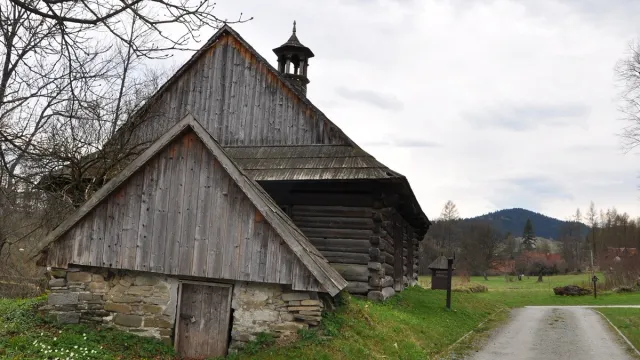
Gorczański Park Narodowy - Park Dworski w Porębie Wielkiej
Poręba Wielka in the Gorce Mountains is home to the former manor park of the Wodzicki counts. The historic manor house now holds the education centre of Gorczański Park Narodowy (Gorce National Park) – a park established in 1981, whose headquarters are located in Poręba Wielka.
We prepared an audio guide to the manor park. The recordings lead visitors along the park's paths and introduce its history and nature, so the place can be explored at one's own pace.
The audio guide is available in Polish and English.
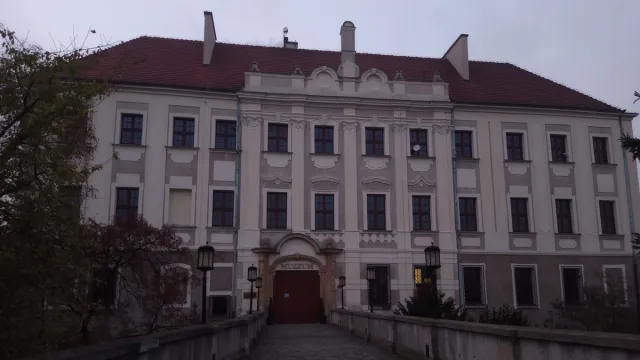

Muzeum w Głogowie
The Muzeum Archeologiczno-Historyczne (Archaeological and Historical Museum) in Głogów is housed in the Zamek Książąt Głogowskich (Castle of the Dukes of Głogów), whose history goes back to the 13th century. Its exhibitions tell the story of more than a thousand years of one of Poland's oldest towns – from the early stronghold and its heroic defence in 1109, through medieval monuments and pre-war Głogów, to the destruction of 1945. One of its most valuable collections is the Głogów Hoard – a collection of 12th- and 13th-century denarii and one of the largest medieval hoards in Europe.
We prepared a mobile app for Android and iOS with an audio guide to the museum. The route leads from the castle courtyard through successive rooms and display cases – from Romanesque tombstones and a model of the defence of Głogów, through archaeological finds and the town's 20th-century history, to the coins of the Głogów Hoard. We also recorded a version with audio description, and in the following years we prepared tracks for the exhibitions “Blask złota i srebra, czyli pieniądz w baroku” (The Glitter of Gold and Silver: Money in the Baroque) and “Dziedzictwo kulturowe szlachty ziemi głogowskiej” (The Cultural Heritage of the Nobility of the Głogów Region).

Drawieński Park Narodowy
Drawieński Park Narodowy (Drawa National Park), established in 1990, lies on the border of the West Pomeranian, Lubusz and Greater Poland voivodeships. Forests cover more than 80% of its area. The park is centred on the Drawa river, which flows through it for around 40 km with a fast, almost mountain-like current and forms one of the most scenic kayaking routes in Poland.
We produced recordings and an audio guide system that let visitors explore the park independently, at their own pace. The stories introduce the nature of the Drawa valley and the most interesting places along the route.
The audio guide is available in Polish, English and German.
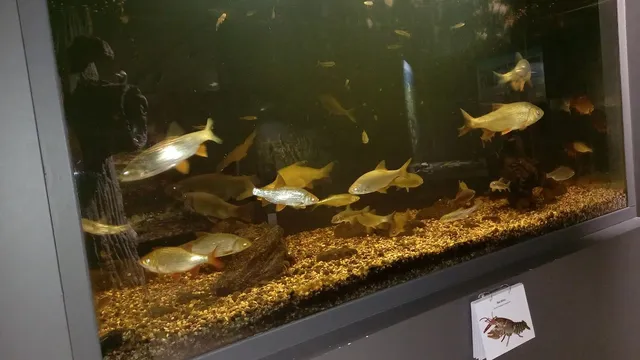

Słupia rzeka wiedzy
The app is designed to lead visitors from the town centre to the education room of the “Dolina Słupi” (Słupia Valley) Landscape Park. The walk starts on Victory Square (Plac Zwycięstwa) in front of the town hall. There used to be a lake on this spot. The subsequent stops are also connected with water, and above all with the Słupia River – its existing channel, man-made canals and historical branches that can no longer be identified on the ground today. Walking along the Słupia, now on one bank, now on the other, we learn interesting facts about the nature of the river. Among other things, we find out what water crowfoot looks like and when, how and where salmonid fish spawn.
The walk ends in the “Słupia – River of Knowledge” education room, which houses an exhibition presenting valuable natural habitats of the river valley in the form of dioramas. The exhibition is complemented by educational and information stations.
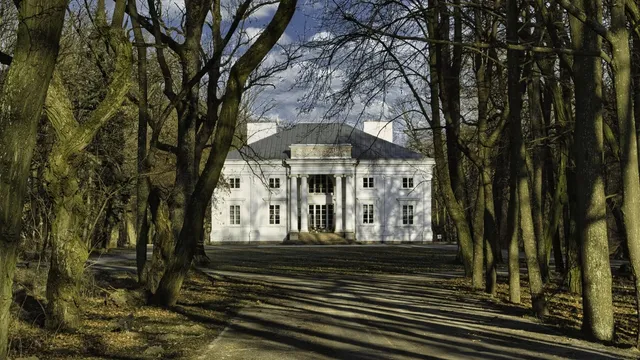
Bialskopodlaska Lokalna Grupa Działania
The Biała Podlaska Local Action Group strives to expand its offer for active tourists wishing to discover the attractions of Biała Podlaska and the surrounding towns and villages. To provide visitors with a tool that brings together a wealth of localities and their most important attractions in one place, a mobile app was created. The app lets active tourists plan cycling, kayaking and Nordic walking trips, as well as learn a great deal about the region's monuments, nature and history.
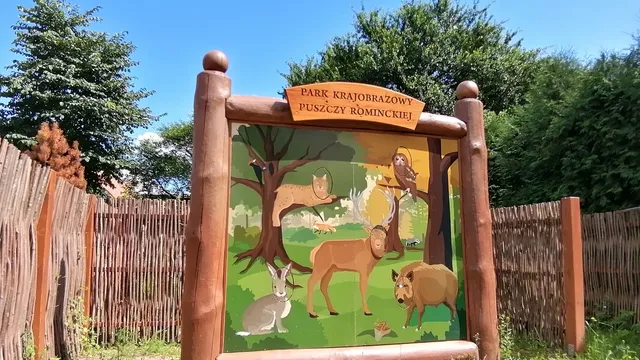

Polska Tajga Żytkjejmy
The Park Krajobrazowy Puszczy Rominckiej (Romincka Forest Landscape Park) was established in 1998 in the north-eastern corner of the Warmian-Masurian Voivodeship, on the border with Russia. It is 80% forested and in places resembles the taiga. In Stańczyki, two bridges 36.5 m high span the Błędzianka valley.
We created the ‘Polska Tajga’ (Polish Taiga) mobile app for Android phones – a guide to the forest and its surroundings. It describes the area’s natural assets, educational trails, walking and cycling routes and viewing towers, and a planner helps visitors organise their trip. The app works offline, and with GPS the places it describes are easy to find in the field.
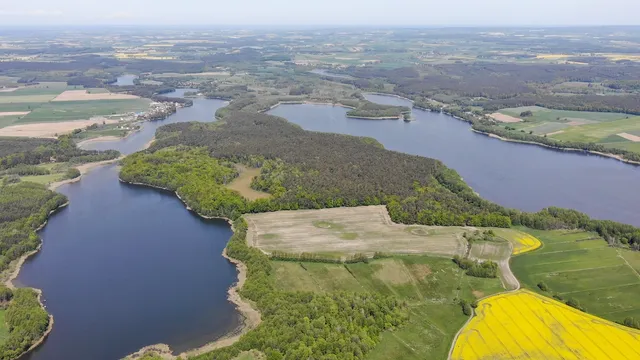
Welski Park Krajobrazowy
Welski Park Krajobrazowy (Wel Landscape Park) lies in the south-western part of Warmia and Masuria, in the valley of the River Wel. It was established in 1995, and its headquarters are in Jeleń near Lidzbark. The park’s landscape is shaped by sandy outwash plains, moraine uplands, glacial channels and more than a dozen larger lakes.
We created a mobile app that guides visitors around the park. The recordings introduce its nature as well as the history and culture of the region, and you can explore independently, at your own pace.
The app is available in Polish, English and German.
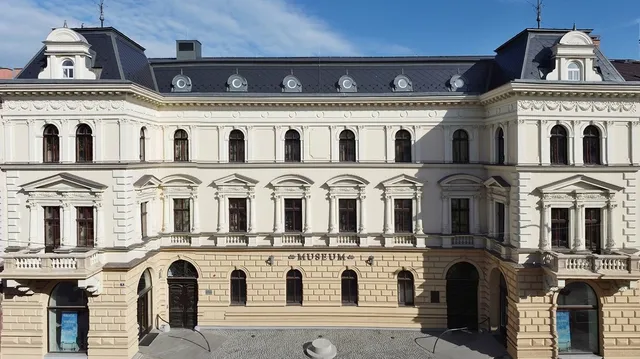
Wędrówki Doliną Olzy
The Olza is a river in Cieszyn Silesia, a right-bank tributary of the Oder, flowing along the Polish–Czech border. The app was created as part of the ‘Wędrówki doliną Olzy’ (Walks along the Olza Valley) project, carried out by the Hażlach municipality together with the Muzeum Těšínska in Český Těšín, which runs the Archeopark in Chotěbuz-Podobora.
We created a mobile app for Android and iOS phones that works as an audio guide to the Olza valley. The recordings let visitors explore the area at their own pace, with their phone in hand.
The app is available in Polish, English and Czech.
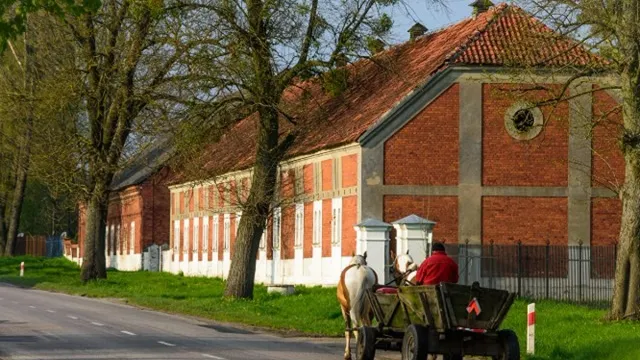

Pojezierze Iławskie
The Park Krajobrazowy Pojezierza Iławskiego (Iława Lake District Landscape Park) was established in 1993 on the border of the Warmian-Masurian and Pomeranian voivodeships. It protects a young post-glacial landscape with more than forty lakes, including Jeziorak – the longest lake in Poland (27.5 km) – and Jezioro Jasne, known for its exceptionally clear water.
We created a mobile app for Android phones that serves as a guide to the park. With GPS it helps visitors find interesting places in the field and discover the nature of the Lake District. For the same client we also produced the ‘Wzgórza Dylewskie’ (Dylewo Hills) app.
The app is available in Polish, English and German.

Wzgórza Dylewskie
The Dylewskie Hills Landscape Park, established in 1994 on the border of Ostróda and Iława counties, protects one of the most varied landscapes in Warmia and Masuria. Here rises Dylewska Góra – the highest point in the region – and rare plant species grow among the hills, forests and valleys.
The “Wzgórza Dylewskie” app, published by the Iława Lake District and Dylewskie Hills Landscape Parks Authority, is a guide to the park on your phone. It tells you about the nature and history of the area and helps you plan your hike. You can download it from Google Play.
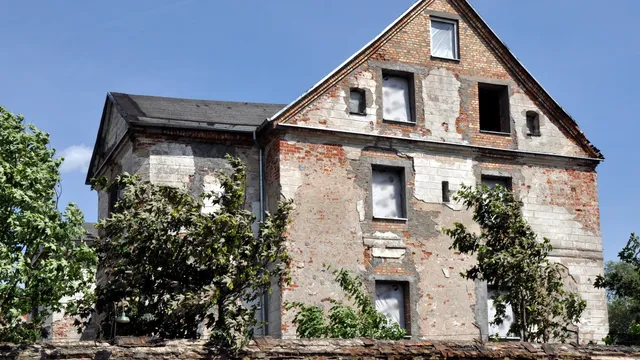
Rowerem w Ełku i Birstonas
Ełk is the largest town in Masuria and the seat of Ełk County and the Diocese of Ełk. The second town covered is Birštonas in Lithuania – a spa resort on the River Neman south of Kaunas, known for its mineral waters, pine forests and picturesque river meanders.
We created a mobile app for cycling enthusiasts – a guide to the attractions and trails of Ełk and Birštonas. The recordings let you explore both towns and their surroundings at your own pace.
The app is available in Polish, English, Lithuanian and German.

Odra dla odkrywców
Gmina Krzyżanowice (Krzyżanowice Municipality) in Racibórz County lies in the Oder valley, on the border with the Czech Republic.
We prepared the ‘Odra dla odkrywców’ (Oder for Explorers) mobile app for Android and iOS phones – an audio guide to the most interesting places along the Oder. As part of the Polish-Czech project ‘Turysta na pograniczu’ (Tourist in the Borderland), under the Interreg V-A Czech Republic – Poland programme, we extended it with an additional module that broadens what visitors can explore in the border region.
The app is available in Polish and Czech.
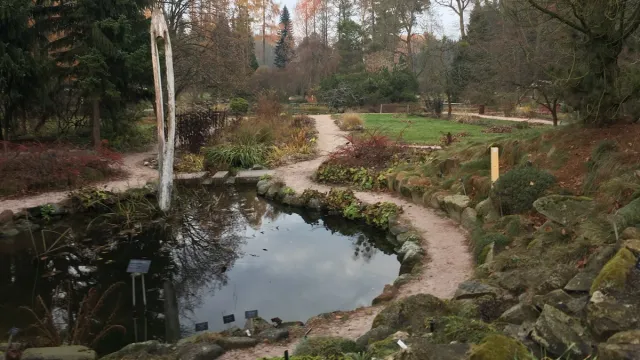

Arboretum w Rogowie
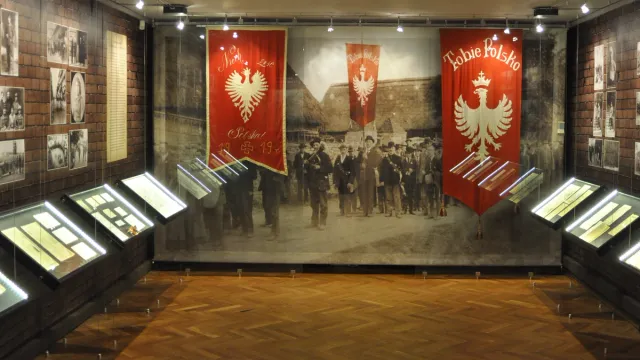
Muzeum Czynu Powstańczego
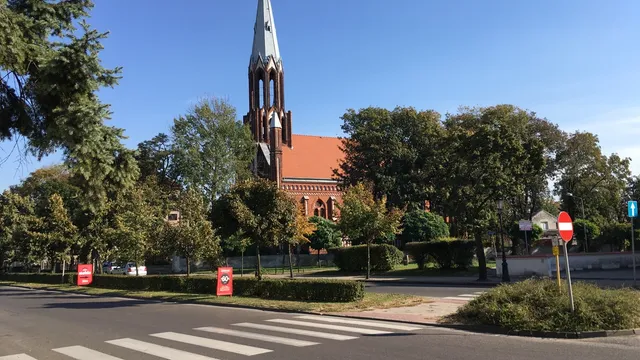

Spacer po Łowiczu
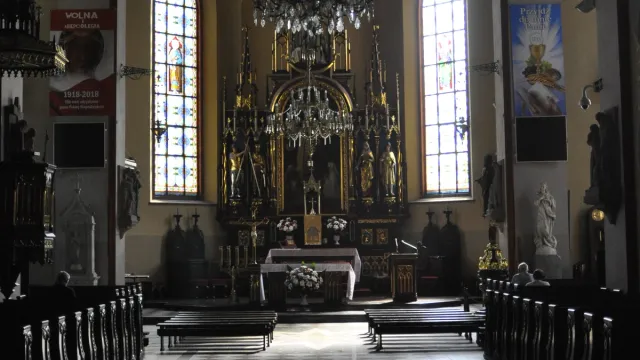
Kościół pod wezwaniem św. Stanisława w Łańcucie Biskupa
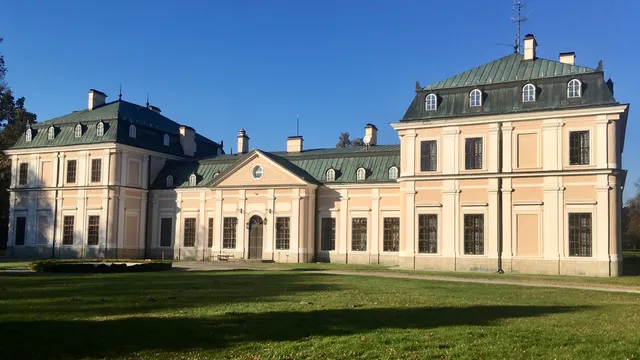
Spacer po Sieniawie
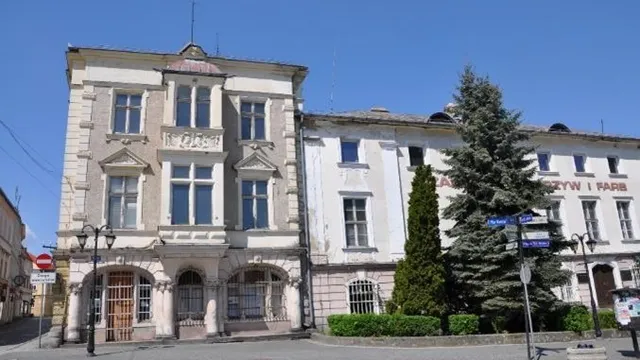
Spacer po Złotym Stoku
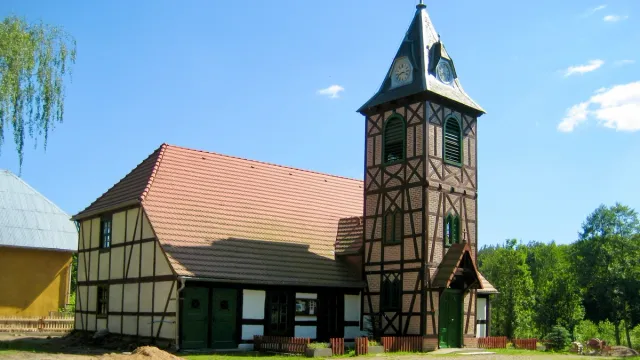
Spacer po Santocznie
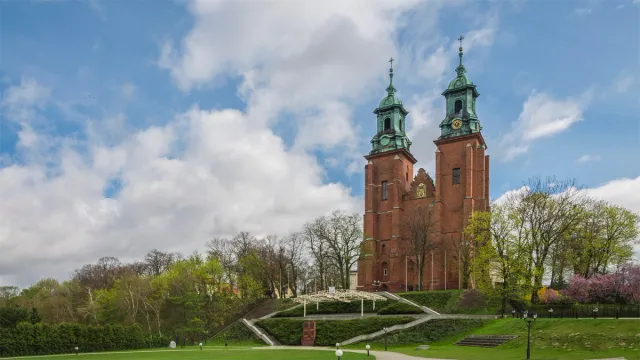
Wzgórze Lecha i okolice Bazyliki Prymasowskiej w Gnieźnie
Gniezno, like Rome, sits on seven hills. On the most prominent of them, Lech Hill, the famous Primatial Basilica has stood for a thousand years. After you have toured the church, the audio guide invites you on a walk around the hill, during which you learn about its early history and the buildings that still stand there today.
Visitors are watched closely from a tall pedestal by Bolesław the Brave, the first King of Poland, who was crowned right here in Gniezno in 1025. The monument dominates the square in front of the church.
In pagan times Lech Hill, as a defensive site, was the seat of the duke and an important place of worship. The stronghold with its two outer baileys was among the largest in the region. The outline of the former ramparts has been marked on the hill with special paving stones.
The ring of paving stones encloses the entire cathedral, which looks just as impressive from the outside as it does inside.
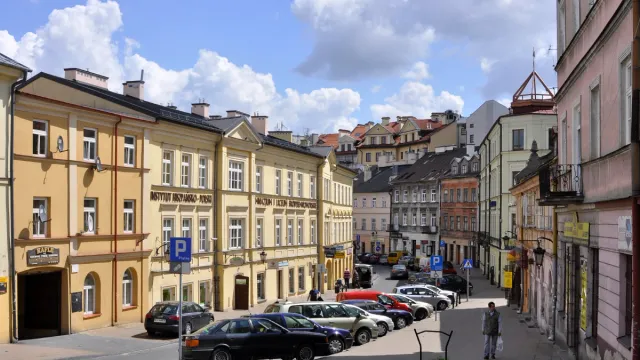

Szlak Pamięci Żydów Lubelskich
Jews co-created Lublin's microcosm for around 500 years, building their own separate town next to old Lublin. The Holocaust destroyed this world. We bring its memory back with an audio guide developed jointly by Audiotour and the Lublin Tourist and Cultural Information Centre. The audio guide is entitled: Along the Trail of Remembrance of Lublin's Jews.
The audio guide requires visitors to be in good physical shape, as it leads not only through the streets of the very centre of the city. The walk begins in the heart of the former Jewish quarter, at the foot of Lublin Castle. “The Seer of Lublin” is the main protagonist of the story here.
Later we head to the Jewish cemeteries, which recall the memory of the Holocaust. We do not end there, however, but return to the city centre, seeing along the way, among other things, the huge restored building of the former Jewish school, which houses a new prayer room, a symbol of Jewish revival.
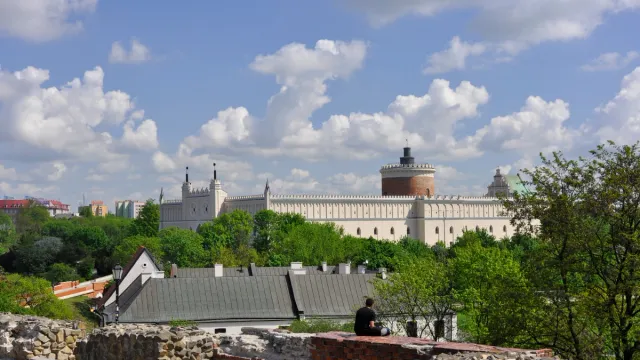
Szlak Zabytków Architektury
The audio guide titled "Architectural Monuments Trail" can be rented at the Lublin Tourist and Cultural Information Centre, located in the city centre on Jezuicka Street. A walk with this audio guide is an excellent opportunity to discover the most valuable monuments of Lublin's architecture and, at the same time, a short lesson in art history.
The walk with the audio guide begins at a symbol of Lublin – the Kraków Gate, which stands in the line of the medieval city walls. The subsequent stops let us admire beautiful churches, stately palaces, an impressive theatre and modern public buildings. We encounter terms such as Gothic, Lublin Renaissance, Baroque, Classicism and Modernism.
The tour ends on Castle Hill, where the oldest building stands – the Romanesque donjon. It completes the impression of the richness of Lublin's architecture.
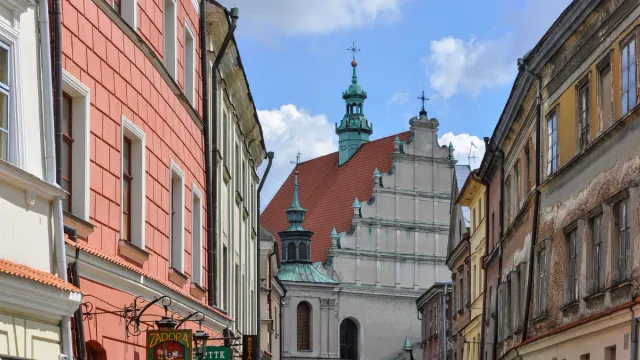
Szlak Znanych Lublinian
The Trail of Famous Lublin Residents is one of five audio guides around Lublin that Audiotour prepared for the Lublin Tourist and Cultural Information Centre. It is a themed guide telling the story of those places in beautiful Lublin that have in some way been marked by the genius of poets, musicians, mystics and even business people.
We put on our headphones near Lublin Castle and then walk on to the Old Town Hill. Along the way we encounter the "Seer of Lublin", Józef Ignacy Kraszewski, Cardinal Stefan Wyszyński and Henryk Wieniawski.
But that is not the end. The audio guide leads on as far as the Catholic University of Lublin and UMCS (Maria Curie-Skłodowska University). We stop at points devoted to the links with Lublin of Jan Kochanowski and Blessed Kazimiera Wołowska. The walk ends at the monuments to John Paul II and Maria Skłodowska-Curie.
Szlak Jagielloński Unii Lubelskiej
The audio guide entitled “The Jagiellonian Trail of the Union of Lublin” is an excellent introduction to the story – extraordinary in every respect – of the voluntary union of two states, Poland and Lithuania, into a single Polish-Lithuanian Commonwealth. It took place in Lublin 450 years ago, in 1569, yet many reminders of that momentous event have survived in the city.
The audio guide begins its tale next to Lublin Castle, where the deputies, together with the king and dignitaries, deliberated on concluding the union. Soon we head to the Old Town Hill to visit the churches connected with this political act. The story reaches its finale on Lithuanian Square, in front of the Union of Lublin Monument.
The audio guide is available at the Lublin Tourist and Cultural Information Centre on Jezuicka Street in Lublin.
Szlak Wielokulturowy
The Multicultural Trail is another of the five audio guides created by the Kraków-based company Audiotour in cooperation with the Lublin Centre for Tourist and Cultural Information. It presents Lublin as a city of many nationalities and religions, resounding with different languages.
The walk starts on Lithuanian Square (plac Litewski), at the obelisk commemorating the Union of Lublin. This is perhaps the best symbol of the city's multicultural face. But, as the following stops show, it is by no means the only one. The audio guide lets you discover the secrets of the Greek and Orthodox churches, the Protestant church and the Jewish synagogues; it tells the stories of the local Poles and Ruthenians, Jews and Germans, and even Scots.
The walk ends on Czwartek Hill.
Muzeum Warszawskiej Pragi
The creators of the Museum of Warsaw Praga hope to attract both domestic and foreign tourists as well as the residents of this right-bank district of the Polish capital. The audio guide fits perfectly into the modern design of the exhibition, complements it and makes it truly interesting.
The museum is housed in two tenement buildings on Targowa Street, Praga's main thoroughfare. From here, it is just a few minutes' walk to the Różycki Bazaar, Wileński Station, the Orthodox church or the cathedral.
The exhibition is divided into several zones. It is worth starting with the history of Praga from its founding charter to the present day. The wealth of iconographic material is enormous. Next, we recommend the art installations – some of them are titled "Stadium", "Street" or "Over and Over Again". The advantages of the audio guide system can be appreciated in the "Praga Testimonies" zone, which is simply an oral history archive. The "Praga Cultures" zone, on the other hand, is devoted to the multicultural face of Praga.

Muzeum Sił Powietrznych w Dęblinie
Polish military aviation is already 100 years old! It is the perfect occasion to present an attractive museum that brings closer the difficult beginnings of the Polish Air Force, its development in the interwar period, its heroic part in the fighting on the fronts of the Second World War, and finally its post-war history. And such a museum has been created. In 2017 we invite all aviation enthusiasts to Dęblin, to the Polish Air Force Museum.
Dęblin is the best place to learn about the history of Polish military aviation. Why? Because since 1927 it has been home to the famous elite School of Eaglets (Szkoła Orląt), i.e. the Polish Air Force Officers' College.
The museum is located right next to the school. A visit is therefore accompanied by sounds so pleasing to aviators' ears – the engines of helicopters and aircraft flying overhead, piloted by cadets of the School of Eaglets.
The exhibitions are divided into three parts. We explore them all with the audio guide. The first, housed in new exhibition halls, presents the history of the Polish Air Force from the First World War to Poland's accession to NATO. The birth of the red-and-white checkerboard and the "gapa" pilot badge, the first aircraft and aerial skirmishes, the Battle of Britain, the present-day school in Dęblin… Then the audio guide takes us to the hangar with aircraft and aero engines. It is full of real rarities. Finally, it is time for the open-air exhibition with dozens of MiGs, Sukhois, Tupolevs and other machines from the post-war period. Thanks to the audio guide, we can explore this rich collection easily and enjoyably, at the pace we find best.
Muzeum Narodowe w Szczecinie – Centrum Dialogu Przełomy
The 20th century brought Szczecin no shortage of turning points – the outbreak and the end of the Second World War, the destruction of the city, the departure of the Germans and the arrival of the Poles, the workers' uprising of 1970, the fall of communism… Another turning point was the opening of the Przełomy (Turning Points) Dialogue Centre, which you can now also explore with an audio guide.
First, everyone was captivated by the Centre's home – a modern building of an unusual shape; later, acclaim went to its fascinating exhibition, which takes an in-depth look at the path the people of Szczecin took towards freedom, from the Second World War through to the political transformation after 1989.
Together with the audio guide we delve into a history that has no shortage of events of global significance, although the most moving are the fates of individual people.
It is worth mentioning that the exhibition is enriched by numerous works of art created by the most outstanding contemporary artists.
Spacer po Cieszyniu
Our walk will begin and end in Cieszyn's Market Square. During the tour, together we will delve into the town's multicultural past, see magnificent examples of secular and sacred architecture, and stroll along the Trail of Blooming Magnolias.
So, let's meet in Cieszyn!
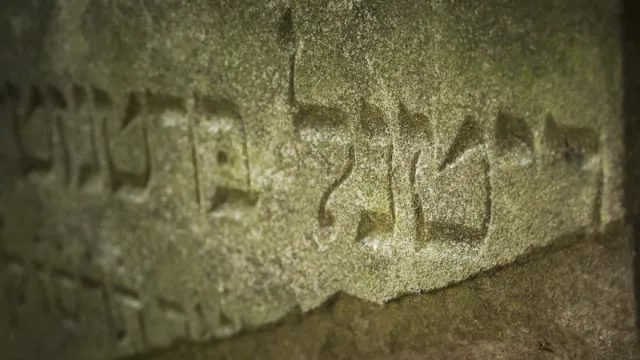
Pszczyna - Wycieczka szlakiem żydowskim
The Jewish community was once part of multicultural Pszczyna.
Today, the audio guide leads you in the footsteps of Pszczyna's Jews, not only presenting the history of their presence in the town but also showing places connected with Jewish tradition and religion. At the end of the walk, we visit the cemetery with its characteristic gravestones – matzevot.
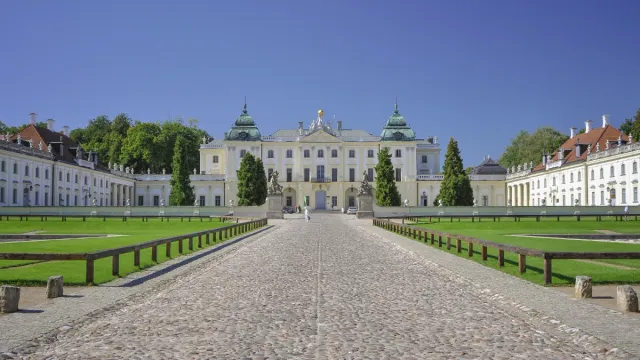
Spacer po Białymstoku
Białystok, the largest city in north-eastern Poland, is a place few people associate with a tourist getaway. What a pity! Because the city really has a lot to offer tourists. It is easy to see this for yourself while strolling around Białystok with the audio guide.
The audio guide starts at the “Versailles of the North”, the Branicki Palace. The building will impress everyone! Then we head with the audio guide to the city centre to stroll leisurely along the main street, discovering the impressive Roman Catholic cathedral with an old historic church attached to it, the Market Square, the Orthodox church, traces of the Jewish presence… We encounter the various traditions present in this beautiful city.
Further on, there is another remarkable church – St Roch's – and a picturesque Orthodox church set on a hill, the modern philharmonic hall and the acclaimed puppet theatre. At the end of the audio tour, we invite you to take a souvenir photo with Kawelin's mysterious dog and to relax in the palace park.
Spacer po Jastrzębiu Zdrój
What does the name of this town bring to mind for you? Most likely a coal company and a championship-winning volleyball team. But just imagine that for our grandparents Jastrzębie meant only one thing – a magnificent spa! What remains of it is a charming spa district nestled in greenery.
So, let's meet in Jastrzębie-Zdrój!

Pałac w Radzyniu Podlaskim
Radzyń Podlaski is a small town known for making excellent cheeses and… for its wonderful palace, referred to as the pearl of the Rococo.
The palace acquired its present elegant form in the mid-18th century, when it belonged to Eustachy Potocki. The audio guide competently discusses the history of the residence, points out its most valuable features and also leads you into the tranquil park.

Augustów - Wycieczka objazdowa melexami
The electric cart tour of Augustów offers several routes with an audio guide that plays each recording automatically as the vehicle passes the next point, so passengers do not need to operate anything.
The first route sets off from Zygmunt August Square and passes the basilica, the old post office and the lock on the Augustów Canal on its way to Studzieniczna and the Augustów Forest; on the way back it passes the railway station, the Officers' Yacht Club, the former barracks and the water-ski lift. The second route tells the story of the town through its synagogue, Protestant church, Uniate church, Jewish cemetery, the Bystry Canal and the spa. The third route leads to the Studzieniczna Sanctuary and back. The first two routes are recorded in four languages: Polish, English, Lithuanian and Russian.
Muzeum Regionalne w Kościanie
Kościan is one of the oldest towns in Greater Poland (Wielkopolska), and the best place to learn about its history is the Dr Henryk Florkowski Regional Museum on Kościan's Market Square.
For visitors, we created a web app that runs directly in the phone's browser – with nothing to install. Narrated recordings lead you through the museum's exhibition and introduce its most interesting exhibits as well as the history of the town and the region.
The app was built in line with the WCAG 2.1 accessibility standard. The content is available in Polish, English and German, with audio description for blind and partially sighted visitors, and in Polish Sign Language.
Archikatedra Oliwska
Oliwa Archcathedral was built on the site of a Cistercian monastery, founded by monks brought here by the Pomeranian dukes in the 12th century. The oldest parts of the church are more than eight hundred years old.
The audio guide leads you through the interior of the cathedral and tells the story of its history, altars and chapels. It pays particular attention to the famous organ from the late 18th century, built by Brother Michael – Jan Wulf of Orneta. The recordings are available in Polish, English and German.

Mikołów - aplikacja z grą terenową
Mikołów, one of the oldest towns in Upper Silesia, boasts a 19th-century Neo-Renaissance town hall, from whose tower a bugle call rings out every three hours, as well as many places linked to the history of the region.
The app offers several ways to explore: a guided route and a point-by-point tour, a version for families with children, the “Knights” (Rycerze) route and the outdoor game “Lost” (Utracone), in which the answers have to be found on site. The content is available in Polish and English.
Muzeum Wsi Opolskiej
The Museum of the Opole Countryside in Opole-Bierkowice is one of the most interesting open-air museums in Silesia. On the site of a former village, historic wooden buildings from all over the Opole region have been brought together: cottages, farmsteads, granaries, windmills and a smithy. The true gem of the exhibition is the wooden church from Gręboszów, built in 1613.
We have created a mobile app that lets you explore the open-air museum at your own pace. The recordings tell of the everyday life, work and customs of the inhabitants of the Opole countryside, and at each successive building reveal its history and purpose.
Audiodeskrypcje rzeźb - Centrum Rzeźby Polskiej w Orońsku
The Centre of Polish Sculpture in Orońsko holds one of the largest collections of contemporary Polish sculpture, presented both in the museum and in the park.
As part of the project to expand and modernise the Museum of Contemporary Sculpture, we prepared audio descriptions of sculptures selected for 3D digitisation. The descriptions allow blind and partially sighted people to discover the shape, material and character of the works.
Muzeum Przyrody - Dwór Lutosławskich w Drozdowie
The Museum of Nature in Drozdowo is housed in the historic Lutosławski family manor house – the only surviving landed gentry manor in this part of the region that is open to visitors. The Lutosławskis settled here at the end of the 18th century, and under Franciszek Dionizy the estate flourished, thanks in part to one of the largest breweries in the area.
The audio guide leads you through the manor's interiors – the drawing room, the memorial study and the rooms associated with Roman Dmowski – and around the manor park. Every recording has a version with audio description that helps blind and partially sighted visitors picture what the rooms look like.
Katowice - Giszowiec
Giszowiec is a historic mining estate in Katowice, built in the early 20th century as a “garden city” for mine workers.
The route begins on Pod Lipami Square, the estate's former market square, and leads to its most important buildings – including the former forestry office, the school and the workers' houses. The recordings are available in Polish, English, German and Czech.
Nałęczów - zabytki i miejsca pamięci
Nałęczów is a spa town with a rich history – a place where Bolesław Prus and Stefan Żeromski wrote their works. Its historic sites include the Chapel of St Charles Borromeo, Żeromski's Cottage and a 17th-century wayside shrine with a figure of St Michael the Archangel.
The app guides you to 15 historic sites and places of remembrance. Each point offers a shorter and an extended version of the story, recordings in Polish and English, and audio description. Signs with QR codes placed around the town lead visitors to the app.
Muzeum Statków w Ustce
The Ship Museum in Ustka invites you on a voyage through several centuries of seafaring history. The exhibition features models of ships and warships – from a pirate galleon and the caravel Santa Maria, through the legendary liners Titanic, Queen Mary 2 and MS Batory, to the Polish warships ORP Orzeł and ORP Burza, the ferry Jan Heweliusz and a fishing cutter.
We produced the recordings and the audio guide system. At each model, simply enter its number on the device keypad to discover its story – often a dramatic one, as with the Costa Concordia or the Wilhelm Gustloff.
The audio guide is available in Polish, English and German.

Radzyń Podlaski - spacer po mieście
Radzyń Podlaski is a small town famous for one of the most beautiful historic buildings in the Lublin region – the Potocki Palace, known as the pearl of the Rococo. The residence acquired its elegant form in the mid-18th century, when it was owned by Eustachy Potocki.
The mobile app for Android and iOS phones invites you on a walk around the town. The audio guide leads you from the palace and its surrounding park to the most interesting sights of Radzyń, telling the story of its history, former owners and residents.
Thanks to GPS, each successive recording starts at the right point along the route.
Podcasty Gminnego Centrum Kultury w Harasiukach
The Municipal Cultural Centre in Harasiuki keeps alive the traditions of the villages along the Tanew River – from ritual performances such as “Obieraczki” to local crafts and music.
We produced a series of three podcasts in which local residents and the director of the cultural centre talk about the culture, customs and history of the municipality. The recordings are available in Polish and English and are complemented by materials in Polish Sign Language.
Muzeum Poczty i Telekomunikacji we Wrocławiu
The Museum of Post and Telecommunications in Wrocław is the only museum of its kind in Poland. It is housed in a 1929 building on Krasińskiego Street, regarded as Wrocław's first high-rise, which before the war was home to the postal cheque office.
Its collection includes late-19th-century mail coaches, postmen's uniforms, post horns, letter boxes, telephone and telegraph equipment, as well as a rich collection of postage stamps.
We created a mobile app and an audio guide system that lead visitors through the exhibition and tell how the ways of sending messages changed over the centuries – from mounted messengers to the telephone and television.
Pałac w Jankowicach
The palace in Jankowice near Poznań is an early 19th-century residence, remodelled in 1912. It is surrounded by a historic park from the same period – the green heart of the Tarnowo Podgórne municipality, perfect for a leisurely stroll.
For visitors, we have created a mobile app and an audio guide system. The recordings present the history of the palace and its owners and guide you around the park, pointing out its most interesting spots.
The audio guide also includes audio description for blind and partially sighted visitors.
Muzeum Północno-Mazowieckie w Łomży
The North Mazovian Museum in Łomża gathers relics of the history, art and folk culture of northern Mazovia and the Kurpie region. It is a place where you can easily get to know the region's past and the traditions of its people.
For the museum, we created an audio guide system and audio descriptions of selected exhibits. Thanks to them, blind and partially sighted visitors can also explore the exhibition on their own – the recordings describe the appearance, material and character of the objects in detail.
Muzeum Mydła i Historii Brudu w Bydgoszczy
The Museum of Soap and the History of Dirt in Bydgoszcz is one of the most unusual museums in Poland. Housed in a historic tenement house on Długa Street, it tells with humour how people cared – or failed to care – for hygiene over the centuries.
Visitors learn what old bathhouses looked like, what people washed with before soap was invented, and how cosmetics are made. We created a mobile app and an audio guide system that lead visitors through the exhibition and bring this surprising history of cleanliness to life.
It is a great choice for a visit with children.

Kościół św. Jerzego w Dzierżoniowie
St George's Church is the oldest place of worship in Dzierżoniów and one of the town's most valuable historic monuments. The Gothic parish church stands right in the centre, next to the Market Square, and has accompanied the history of the former Reichenbach for centuries.
We prepared the scripts and recordings for the audio guide as well as a mobile app that let you explore the church at your own pace. The narration leads you through the interior, introducing its architecture, furnishings and the most important events in the history of the parish.
The audio guide is available in Polish, English and German.
Suwałki - audioprzewodnik po mieście
Suwałki is the capital of the picturesque Suwałki Region and a town with a fascinating, multicultural history. It is the birthplace of Maria Konopnicka, whose memorabilia can be seen in the museum named after her.
The mobile app for Android and iOS phones invites you on a walk around Suwałki. The audio guide takes you to the most important places in the town centre and tells the story of its past, historic sights and famous residents.
It is a convenient way to get a first taste of the town before setting off for Lake Wigry or the area around the Suwałki Landscape Park.
Muzeum Pozytywizmu w Gołotczyźnie
In the small village of Gołotczyzna in northern Mazovia, Aleksander Świętochowski, one of the leading figures of Polish positivism, lived and worked for many years. Today his house and the neighbouring manor house of Aleksandra Bąkowska form the Museum of Positivism, surrounded by an extensive park.
In the manor house, we discover the everyday life of the moderately wealthy gentry at the turn of the 19th and 20th centuries, while the farm buildings display old agricultural machinery and tools.
We have created a mobile app and an audio guide system that lead visitors through the museum and introduce the figures of Świętochowski and Bąkowska, as well as the idea of “organic work” (praca u podstaw).
Audiodeskrypcje obiektów dziedzictwa - CSE „Światowid” w Elblągu
The Regional Digitisation Studio of the “Światowid” European Meeting Centre in Elbląg digitises heritage objects from museums across Warmia and Masuria – from coins and Viking amulets to sacred architecture.
As part of the project “New Digital Platform of CSE Światowid in Elbląg”, we have prepared 300 audio descriptions of digitised objects. The descriptions allow blind and partially sighted people to learn what the heritage objects made available on the platform look like.
Bazylika archikatedralna we Fromborku
Cathedral Hill in Frombork is one of the most important places on the map of Warmia. Towering over the Vistula Lagoon, the Gothic Archcathedral Basilica of the Assumption of the Blessed Virgin Mary and St Andrew was for more than thirty years the workplace of Nicolaus Copernicus, who was buried there.
For the cathedral, we have prepared a set of audio guides with recordings in Polish, English and German. Short stories lead visitors around Cathedral Hill and through the interior of the church – presenting its altars, treasury and attic, as well as the figure of Frombork’s most famous canon.
Wioska Gotów w Masłomęczu
The Centre for Cultural and Archaeological Heritage of the Hrubieszów Municipality in Masłomęcz tells the story of the Goths – a people who came from Scandinavia and, in the first centuries AD, also lived in the lands of present-day Poland.
The audio guide takes you around the exhibition hall: from the migrations of the Goths and their everyday life to archaeological finds discovered in the area, including grave pottery. The recordings were produced in Polish, English, German and Ukrainian.
Audiodeskrypcje dzieł - Muzeum Narodowe w Warszawie
The National Museum in Warsaw is preparing its collections with blind and partially sighted visitors in mind.
We have prepared audio descriptions of selected works from the collection – including lithographs by Witold Wojtkiewicz from 1904. The descriptions convey the composition, colours and character of the works in detail.
Muzeum Okręgowe w Suwałkach
The Suwałki District Museum is the place to discover the history and culture of the Suwałki region – from its prehistory to the present day. The museum's particular pride is its collection of paintings by Alfred Wierusz-Kowalski, an artist born in Suwałki.
We created a mobile app for Android and iOS phones that works as an audio guide to the museum. The recordings lead you through the exhibition and introduce its most interesting exhibits.
The audio guide is available in Polish, English and Lithuanian.
Muzeum Poczty Polskiej w Gdańsku
The Polish Post Office Museum, a branch of the Museum of Gdańsk, is housed in the building where, on 1 September 1939, Polish postal workers defended their post office for more than fourteen hours. The exhibition tells not only the story of that day but also of the entire Polish community in the Free City of Gdańsk.
The audio guide takes visitors through the exhibition room by room, presenting the defence of the post office, the stories of the postal workers and their families, and the post-war fate of the defenders. The recordings are available in Polish and English, and a version with audio description conveys what the interiors and exhibits look like.
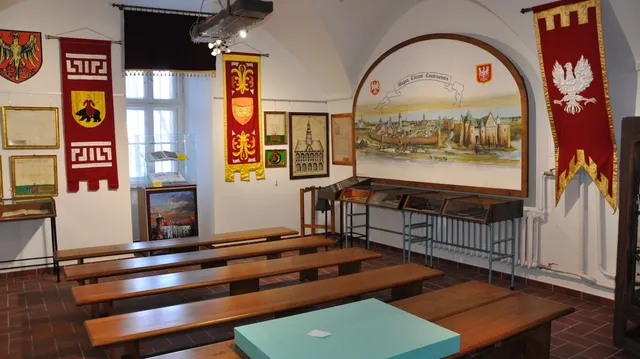
Muzeum Ziemi Koźmińskiej
Koźmin Wielkopolski is a small town with a rich medieval history. Its most valuable historic monument is the castle, whose origins date back to the 14th century and the reign of King Casimir the Great. Today, the castle walls house the Museum of the Koźmin Land (Muzeum Ziemi Koźmińskiej), which preserves the memory of the history of the town and its surroundings.
The audio guide invites you to discover the museum and the history of the Koźmin Land. It tells you about former inhabitants, important events and relics of the past, allowing you to explore at your own pace.
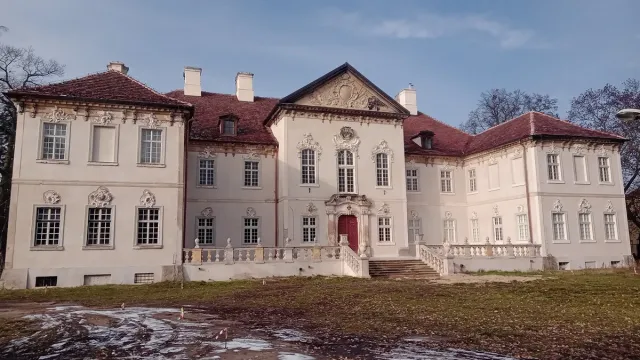
Pałac w Bojadłach
The palace in Bojadła is a historic residence in the Lubuskie region, built on a horseshoe-shaped plan. Its construction is associated with the von Kottwitz family, and it enjoyed its heyday in the second half of the 18th century, when the estate belonged to the von Scheffer-Boyadel family. A park stretches out on the other side of the road leading to the residence.
We created a mobile app for Android and iOS phones and supplied an audio guide system. The recordings lead visitors around the palace and park complex and tell the story of its history and former owners.
The audio guide is available in Polish, English and German.
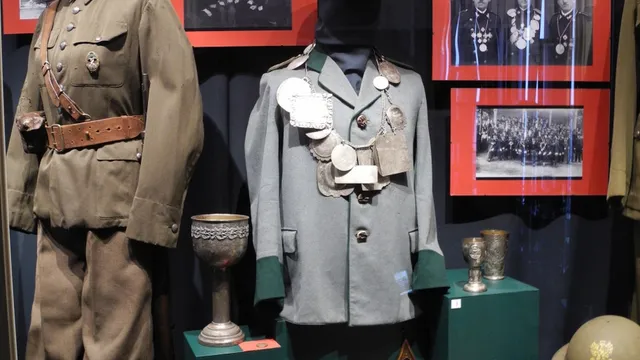
Muzeum Ziemi Czarnkowskiej w Czarnkowie
Please look at the model of the medieval stronghold, which you will find in the lower left corner of the display case! In all likelihood, this is exactly what the Czarnków stronghold may have looked like when it was first mentioned in written sources. That happened in 1108 and was recorded by the hand of the famous chronicler of Polish history, Gallus Anonymus.
This is how the audio guide begins, leading visitors through the small but interesting Museum of the Czarnków Land in Czarnków, Greater Poland. The exhibition is divided into several parts. In the first, we mainly get to know Czarnków in the Old Polish period; then comes the time of the Partitions and the 20th century. In the display cases we see archaeological finds, old portraits, numerous uniforms… Thanks to special technology, those interested can listen to extended versions of the commentary at selected exhibits.
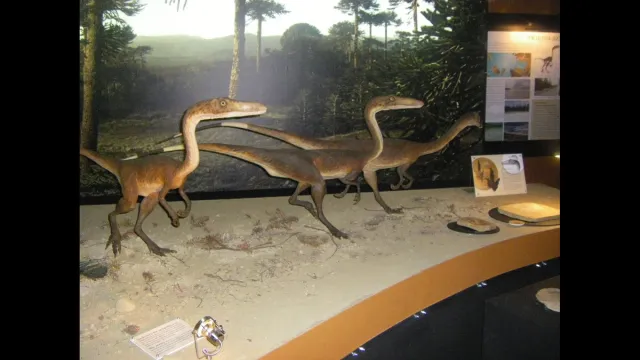

Muzeum Przyrody i Techniki "Ekomuzeum" im. Jana Pazdura w Starachowicach
A visit to the Jan Pazdur Museum of Nature and Technology "Ekomuzeum" in Starachowice can be recommended above all to lovers of industrial heritage and… paleontology. But, to tell the truth, what isn't there!
The museum occupies the site of a former ironworks that operated from the first half of the 19th century until the second half of the 20th century. The most impressive monument is the 22-metre-high blast furnace. Spectacular industrial monuments have also survived in the former factory halls.
In addition, in Starachowice we will see an exotic paleontological exhibition, prepared with genuine expertise.
A visit to the Archeopark, on the other hand, takes us back to ancient times.
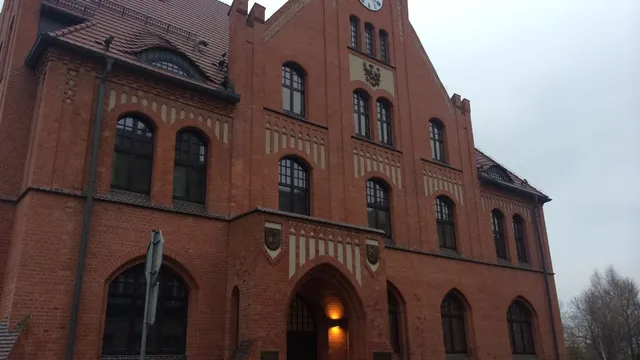
Muzeum Powstań Śląskich w Świętochłowicach
Anyone wishing to learn about the history of the Silesian Uprisings should go to the source – Upper Silesia. There, in Świętochłowice, right in the city centre, stands a hundred-year-old brick building whose restored interiors house the modern Museum of the Silesian Uprisings. The museum's fascinating exhibition is best explored with an audio guide.
There were three Silesian Uprisings: in 1919, 1920 and 1921. The museum tells the story of their causes, the course of the fighting and their consequences in an engaging way, using numerous original memorabilia and multimedia. A major attraction of the exhibition are the gripping films starring, among others, Franciszek Pieczka and Marian Dziędziel.
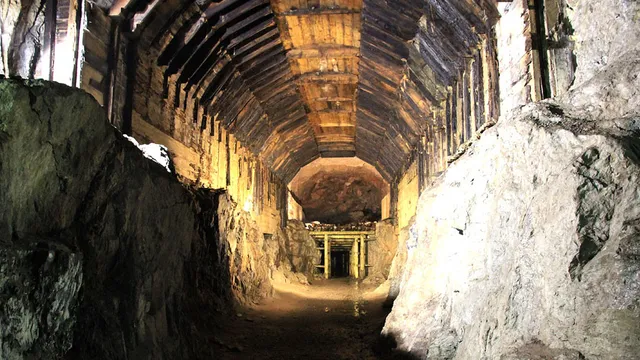
Podziemne Miasto Osówka
Was work carried out here on a German atomic bomb – Hitler’s wonder weapon? Was an underground city being prepared to shelter the highest authorities of the Third Reich? Are Nazi treasures hidden in undiscovered tunnels? The audio guide that takes you around the Osówka Underground City answers all these questions.
The complex is located in Głuszyca near Wałbrzych, in the Owl Mountains. During the Second World War, the Germans built an underground military facility here using the slave labour of prisoners; its purpose has not been explained to this day. The audio guide presents all the main hypotheses about why Osówka was built, and also shows the main chambers and the exhibits collected in them, mostly military items.
Chełmskie Podziemia Kredowe
Once upon a time, in what is now Chełm, a white bear lived in a cave beneath three oak trees. When people built a pagan temple with an eternal fire by the oaks, the bear hid underground. It comes up to the surface only when the people of Chełm face great danger. However, anyone who wishes can hear and see Bieluch by touring the Chełm Chalk Tunnels with an audio guide.
Chełm was built entirely on… chalk, a white sedimentary rock. From the Middle Ages onwards, the town's inhabitants mined this material and sold it. They worked so intensively that the ground beneath Chełm now resembles Swiss cheese full of holes.
The Chełm Chalk Tunnels are a tourist route under the town centre. To explore them, it is worth using the audio guide, which will not let you get lost underground, will tell you the most interesting stories and will even take you to meet the ghost Bieluch.
Muzeum Wsi Lubelskiej w Lublinie
Is there anyone who doesn't like open-air museums? Their idyllic landscapes, the scent of the interiors of old wooden cottages, their colourful flower gardens? No, it is impossible not to fall under their spell. And one of the most charming – and at the same time one of the largest in Poland – is the Lublin Village Museum in Lublin, whose small-town section can be explored with an audio guide.
The Lublin open-air museum introduces us to the bygone world of the folk culture of the Lublin Upland, Roztocze, Powiśle, Podlasie and the Bug River region; in addition, it has manor-house and small-town sections.
And it is precisely the small-town section, which recreates the look of a Polish small town from the interwar period, that you can stroll through together with the audio guide. During the visit, you can drop in on a barber, a shoemaker's workshop, the post office or a Jewish kitchen, among other places. The church and even the mayor's office also stand open.
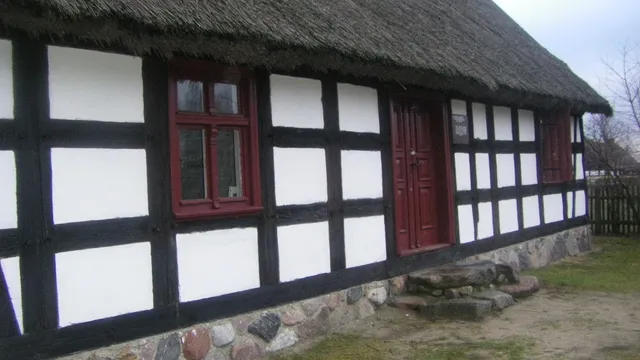
Muzeum Okręgowe w Pile - Skansen w Osieku
Osiek nad Notecią is a village of several thousand inhabitants, lying halfway between Bydgoszcz and Piła. Several decades ago, perfectly preserved graves several thousand years old were discovered there. The find was so valuable that when the archaeologists had completed their work, the site was turned into an archaeological reserve, which over time was expanded with an ethnographic section, thus creating the Museum of Folk Culture.
The audio guide lets you explore both the ethnographic and the archaeological sections. Homesteads, farm buildings, an old church and wayside shrines were moved to Osiek from various places in northern Greater Poland, Krajna, Pałuki and the area around the Noteć Forest.
The archaeological exhibition is an additional attraction.
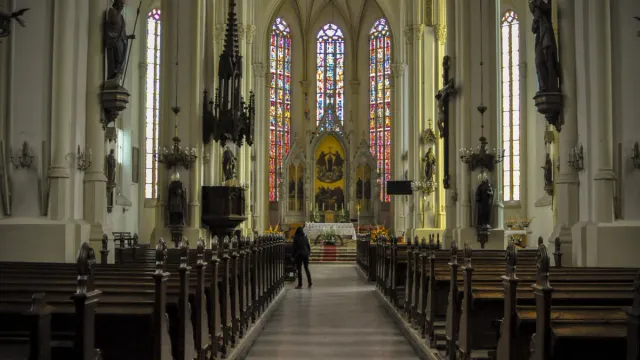
Kościół pw. Wniebowzięcia Najświętszej Maryi Panny
Religious monuments are among the best preserved in Poland. Many valuable churches, monasteries and chapels survived destructive wars, escaping the fate of ruined castles, palaces and old town centres. One such church, full of historic treasures, is the Church of the Assumption of the Blessed Virgin Mary in Lwówek Śląski. Not everyone knows that it can be visited with an audio guide!
Today Lwówek Śląski is a quiet little town near Jelenia Góra. It is worth remembering, however, that it is one of the oldest towns in Poland – which in itself may give its residents reason to be proud – and it also boasts an age-old town hall, reportedly the oldest brewery and, last but not least, a monumental church with a rich history.
The first parish church in Lwówek Śląski was built as early as the 13th century, founded by Duke Henry the Bearded and his wife Hedwig. Construction of the building we can admire today began in 1300, and the work was not completed until… the 16th century. By then its builders were the Knights Hospitaller, who settled in Lwówek for many centuries.
The audio guide lets you explore the church both outside and inside. It draws attention to such treasures as the beautiful entrance portal or the oldest relics hidden somewhere in the gloom of the spacious church. The guide tells the story of the building and the parish, presenting it in an engaging and accessible way.
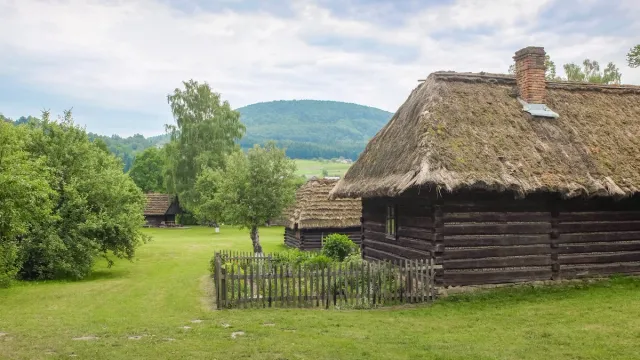
Skansen Wsi Pogórzańskiej
Szymbark is an old village set among the gentle hills of the Low Beskids, not far from Gorlice. It is crossed by the busy national road from Wadowice to Przemyśl. When travelling along it, it is worth stopping for a while at the convenient car park in the centre of Szymbark to discover the local treasures with our audio guide – the Pogórze Village Open-Air Museum and the Renaissance kasztel (fortified manor house) standing right next to it.
The convenient, easy-to-use audio guide can be hired in the historic granary, which is visible from the main road. First, we get to know the inhabitants of this land more closely – the Pogórzanie and their neighbours, the Lemkos and the Lachs. Then we stroll unhurriedly from cottage to cottage to take a close look at their everyday life and their material and spiritual culture.
With the audio guide we also look into a building full of… Austrian, German and Russian soldiers. What are they doing here? In 1915, one of the most important battles of the First World War on the Eastern Front took place near Gorlice. One of its episodes has been recreated in Szymbark...
When the tour of the open-air museum ends, the audio guide does not remind you to return the device at the ticket office, but instead invites you to step outside the fence and head towards the white building standing nearby. This is the 16th-century Szymbark kasztel, a pearl of the Renaissance hidden away in the Beskids. Together we view it from the outside and also explore its remarkable interiors.
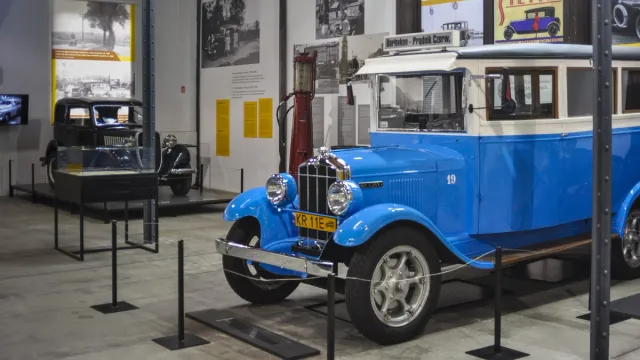
Muzeum Inżynierii Miejskiej w Krakowie
The Museum of Municipal Engineering is housed in Kraków's oldest tram depot.
Among other things, the audio guide leads you through the exhibition of old cars and motorcycles that make up the history of Polish motoring; we also learn about the history of printing and get the chance to board historic trams.
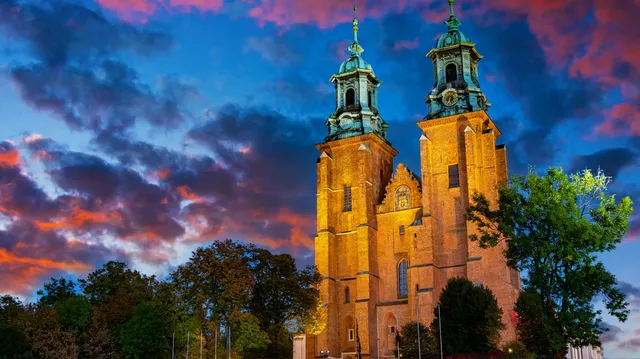
Katedra gnieżnieńska

Olenderski Park Etnograficzny
In Wielka Nieszawka near Toruń you will find Poland's first open-air museum devoted to Olęder settlement. The Olęders – originally newcomers from the Low Countries and Frisia, Mennonites who were free to practise their faith in the tolerant Polish–Lithuanian Commonwealth – brought the land of the Vistula valley under cultivation for centuries.
The mobile app works like an audio guide on your phone. It leads you around farmsteads relocated from nearby villages, historic houses and farm buildings, and the Mennonite cemetery, telling the story of the daily life, work and customs of the former inhabitants. Download it from the App Store or Google Play and explore at your own pace.
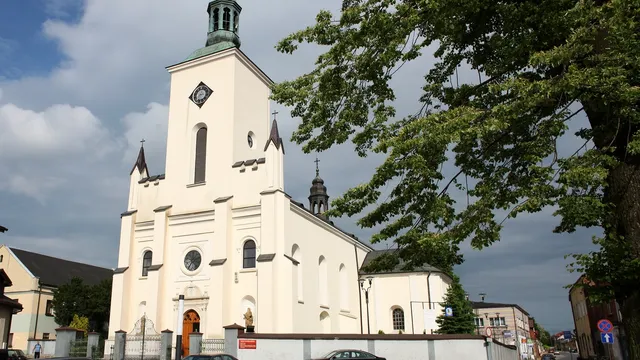
Żarki - spacer po mieście
This is a town with a history spanning several centuries. The tour begins at the former synagogue. The route then leads through the picturesque market square with its parish church and ends at the Marian sanctuary in Leśniów. Along the way – interesting historic sights and stories, and, of course, an invitation to a real country fair.
So, let's meet in Żarki!
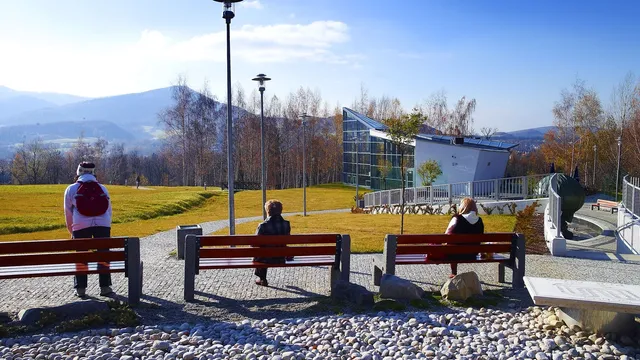
Ustroń - spacer po mieście
Set among the mountains of the Silesian Beskids, the town is the largest spa in Silesia. Its hallmark is the distinctive pyramid-shaped sanatoriums. We will take you on a walk around the centre of Ustroń to discover traces of its remarkable industrial past and – connected with it – the beginnings of the spa.
So, let's meet in Ustroń!
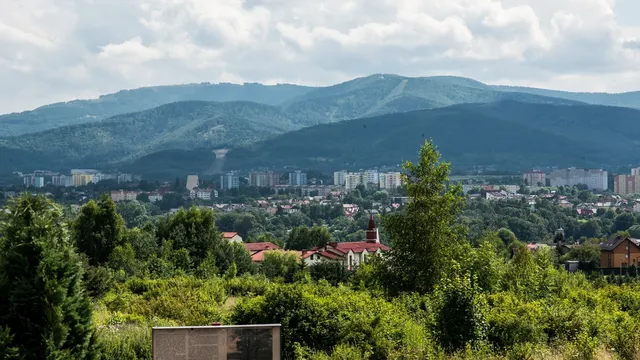
Bielsko-Biała - Wycieczka po mieście
The city enchants with its foothill setting, rich history and magnificent historic buildings. It was formed by merging two old towns – which is why we suggest devoting the first part of the tour to exploring Biała, with its beautiful town hall, Lutheran church, striking tenement houses and a monument to… Reksio – the unforgettable hero of animated films.
Once you have got to know the attractions of Biała, we suggest a walk through the streets of the other part of the city – Bielsko. A hundred years ago someone called it “Little Vienna”. There are plenty of impressive buildings here, above all the grand tenement houses; during the tour we will also see the Sułkowski Castle and the monumental St Nicholas' Church.
So, let's meet in Bielsko-Biała!
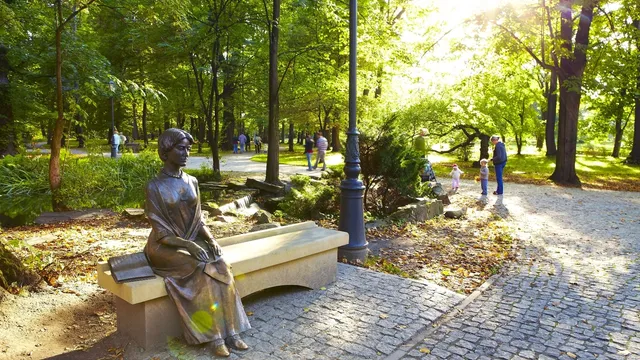
Żywiec - spacer po mieście
This town set among the mountains has many faces. We invite you to meet its solid burghers and dignified aristocracy. We begin with the places that matter most in the life of the town: the parish church and the market square with the town hall. Then we admire the castles of Żywiec and find respite along the park's avenues.
So, let's meet in Żywiec!
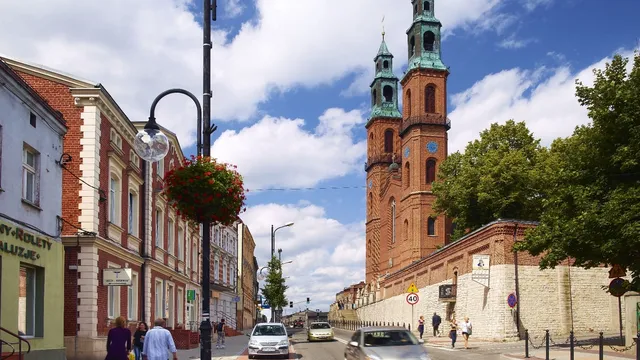
Piekary Śląskie - spacer po mieście
This town is one of the most important pilgrimage centres in Silesia. Our walk therefore cannot miss the Sanctuary of Our Lady of Piekary with its monumental Basilica of St Mary and the Calvary stretching right next to it. During the tour we will also introduce you to the history of Piekary Śląskie.
So, let's meet in Piekary!
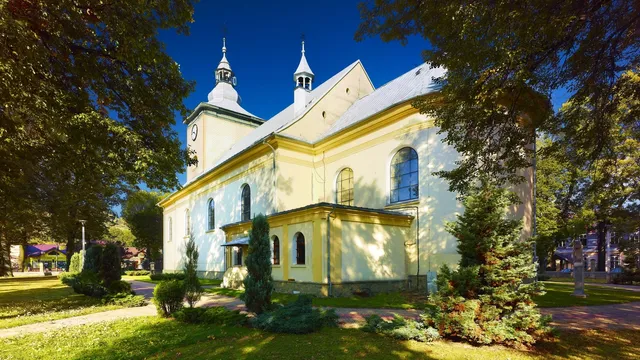
Milówka - wycieczka terenowa
Milówka is a picturesque village in the Żywiec Beskids, on the Soła River, which held town rights in 1884–1934. Its history goes back to the 16th century, and its culture was shaped by settlers and Vlach shepherds. Sights worth seeing include the Church of the Assumption of the Blessed Virgin Mary and the “Stara Chałupa” (Old Cottage) museum in a former wooden house.
The audio guide invites you on a tour of Milówka and its surroundings, telling the story of its history, historic sites and highland traditions. It is a good starting point for getting to know the Beskids – trails lead from Milówka to destinations including Barania Góra.
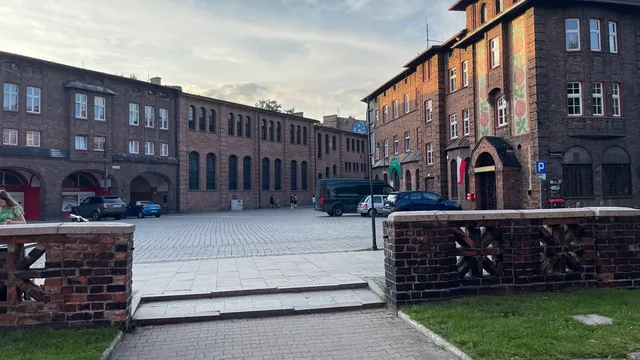
Katowice - Nikiszowiec
Anyone who wants to see the "black Silesia" immortalised by Kazimierz Kutz in his films should come to Katowice and seek out the Nikiszowiec estate in this thriving city. Its characteristic brick familoki – traditional Silesian workers' houses – have survived there in perfect condition and, together with the church and other public buildings, form a unique microworld. You can get to know it well with the audio guide, which is made available to tourists in a former… mangle room.
The Nikiszowiec estate – or Nikisz, as the locals call it – was built in the second decade of the 20th century. It was commissioned by the "Giesche" mine, which in this way provided for its employees – the miners and their families. The estate's designers, Georg and Emil Zillmann, focused mainly on its functionality, but they also took the aesthetics of the whole complex into account.
The result was residential buildings, an administrative building, a church, a bathhouse, a laundry, a police station, a school and even an inn. The audio guide shows us all of this through the eyes of ordinary residents and also recalls the memories of Prof. Julian Gembalski, Prof. Dorota Symonides and Kazimierz Kutz.
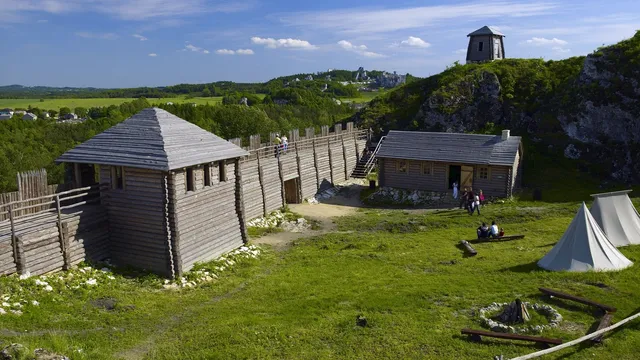
Spacer na Górę Birów
On a steep Jurassic hill dotted with white limestone rocks, near the ruins of the mighty Ogrodzieniec Castle, stands an extraordinary fortified settlement. It is surrounded by a wooden palisade, and inside, medieval warriors await tourists. History lovers simply must pay a visit!
So, let's meet on Góra Birów!
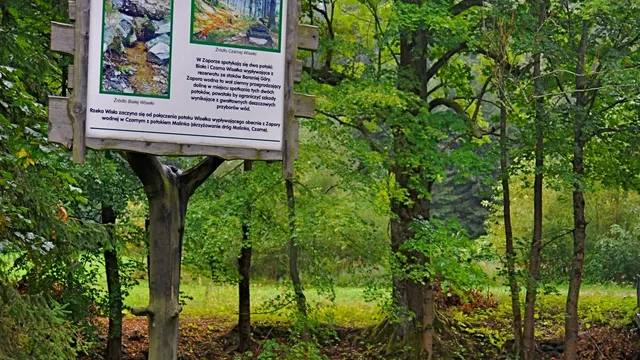
Wisła - wycieczka samochodowa
Wisła is one of the most popular holiday resorts in the Silesian Beskids, located at the source of the Vistula, the queen of Polish rivers. Mountain landscapes, the traditions of Beskid culture and numerous attractions draw tourists here all year round.
The audio guide invites you on a driving tour of Wisła and the surrounding area. As you drive, you will hear stories about the places you pass, their history and interesting facts – just start the recording and hit the road.
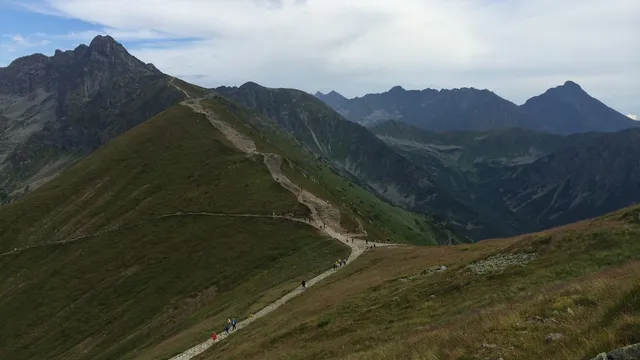
Kolej Linowa Kuźnice - Kasprowy Wierch
Hands up, those who have never taken the cable car from Kuźnice to Kasprowy Wierch! One, two, three people – oh, and there's a lady over there raising her hand too. So it turns out that almost the entire nation has made this unforgettable journey above the Tatras.
Few people know, however, that Audiotour prepared a one-of-a-kind audio guide that could accompany PKL customers from the ticket office, through the ride up to Kasprowy Wierch, all the way to the ride back down to Kuźnice.
The audio guide showed what can be seen from the cable car cabin, introduced the world of Tatra geography and nature, and also told the fascinating story of how the cable car was built. Of course, it did not leave out the legendary feat of Józef Uznański, who jumped out of the cabin while being pursued by the Nazis.
Raczki - wycieczka terenowa
The Raczki municipality lies in the Suwałki Region, a dozen or so kilometres from Suwałki. It is a land of lakes, forests and the picturesque Rospuda valley, which hides traces of the past – such as Dowspuda with the ruins of the Pac family palace.
The audio guide takes you on a journey through the most interesting places in the municipality and tells you about their history, nature and the people connected with the region. You can explore at your own pace, stopping wherever you like, and the virtual guide will make sure you don't miss a single fascinating detail.
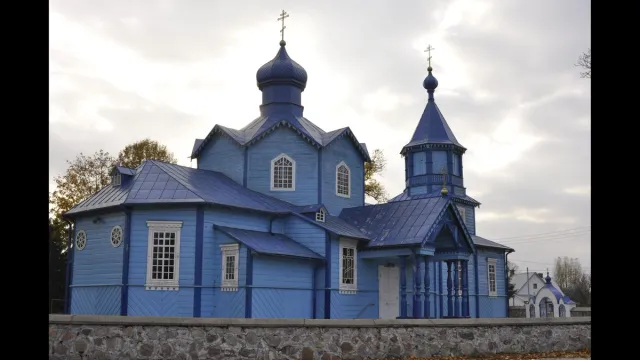
Białystok - Białowieża
Is it possible to get to know the tourist attractions of the part of Podlasie that stretches between Białystok and Białowieża quickly and efficiently, with just two hours of free time? Do you think it's impossible? And yet it is possible! Stop by Kuriany near Białystok and rent an audio guide prepared especially for you.
Once you have rented it, all you need to do is get behind the wheel, switch on the audio guide and set off for Białowieża. As you drive, you will hear a story about every town and village worth mentioning that you pass. Importantly, the commentary is triggered automatically.
The audio guide leads from Kuriany, through Zwierki, Zabłudów, Trześcianka, Ancuty, Narew and Łosinka, to Hajnówka, and even further on to Białowieża.
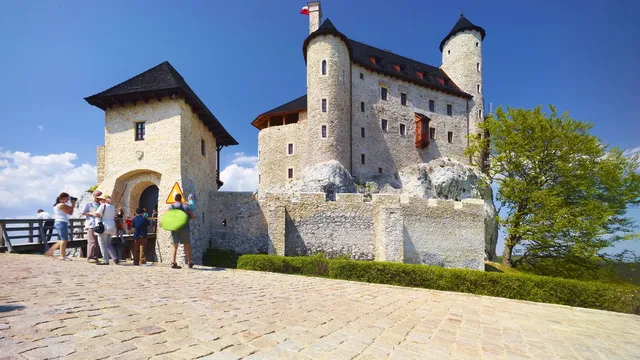
Wycieczka z Zamku Mirów do Zamku Bobolice
The Trail of the Eagles' Nests is one of the most beautiful tourist routes in Poland, and the stretch between the castles in Mirów and Bobolice is among its most picturesque sections. The romantic ruins of the stronghold in Mirów and the rebuilt castle in Bobolice rise on the limestone rocks of the Kraków-Częstochowa Upland.
The audio guide accompanies you on the walk between the two strongholds. It tells of their history, legends and the nature of the Jura, making the hike even more interesting. It is a great idea for a family outing.
Przerośl - wycieczka terenowa
Przerośl is a picturesque village in the Suwałki Region, located about 27 km north-west of Suwałki. The municipality covers part of the Suwałki Landscape Park, and its post-glacial landscape full of hills, lakes and valleys makes it a dream destination for hikers and cyclists.
The audio guide takes you on a field trip around Przerośl and its surroundings. It tells you about the nature, history and the most interesting places worth seeing along the way – all you have to do is set off and listen.
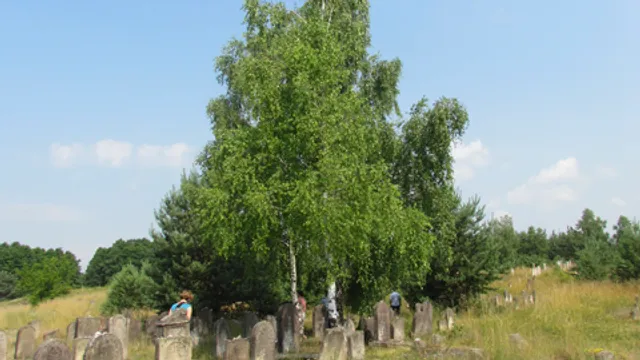
Żarki - szlak żydowski
Żarki is a small town of a few thousand inhabitants lying between Częstochowa and Zawiercie. The surrounding area is picturesque – after all, it is part of the Kraków-Częstochowa Upland. Yet it is not only the landscape that draws visitors here, as Żarki boasts a long history and interesting historic sites. It also has numerous Judaica, well worth discovering on a walk with the audio guide.
In 1900, when the 20th century had already replaced the 19th, Żarki had more than 6,000 inhabitants – and over 60 per cent of them were Jews! Followers of the Mosaic faith appeared in the town as early as the 16th century, but it was only in the 19th century that they began to have a significant influence on its development. This world was annihilated during the Second World War.
Walking with the audio guide, we discover Jewish traces in Żarki. The most obvious is the restored 19th-century synagogue, but former Jewish houses and cemeteries have also survived. There are also colourful stories, which the audio guide offers tourists in abundance.
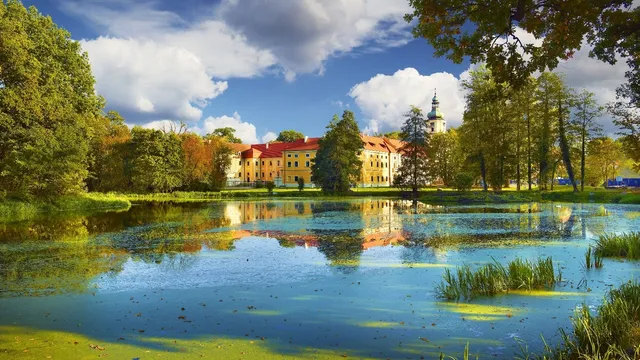
Pocysterski Zespół Klasztorno - Pałacowy
For centuries the Cistercian abbey in Rudy was one of the most important centres of religious life for the people of Silesia. In the 19th and 20th centuries it fell into decline, but today it is regaining its former importance. Audio guides have been prepared with adults and children in mind, as well as blind visitors, allowing an in-depth exploration of this extraordinary place.
The abbey in Rudy was founded in the 13th century. From then on, it influenced not only the religious but also the economic development of the Silesians. The audio guide first focuses on the ancient monastery church, the Basilica of the Assumption of the Blessed Virgin Mary. It is a Gothic building, later remodelled in the Baroque style. Despite wartime damage, it has retained magnificent sculptures, wall paintings and pictures.
Adjoining the church is the former monastery, built on an enormous, almost palatial scale. Its walls are reflected in the clear waters of a pond, on whose banks grow the old trees of an extensive park.
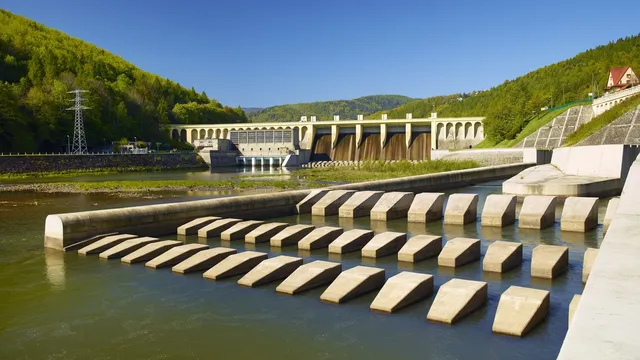
Porąbka - wycieczka terenowa
Porąbka lies in the Beskid Mały mountains, at the mouth of the picturesque Soła river gorge. Its symbol is the dam built before the Second World War, which created Lake Międzybrodzkie – a favourite spot for relaxing by the water, surrounded by forested peaks, including Mount Żar.
The audio guide invites you on a field trip around the area. It tells the story of the dam, the local nature and the most interesting corners of the municipality, so your hike becomes not only active recreation but also a chance to get to know the region.
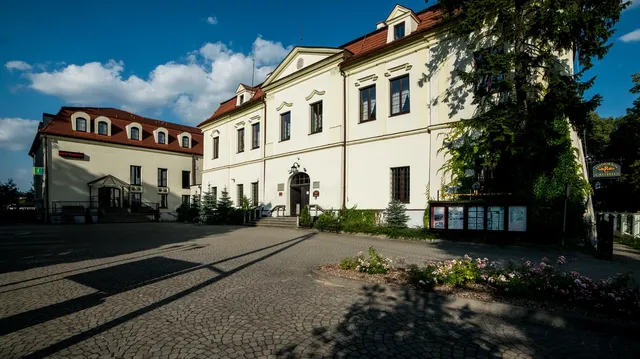
Zebrzydowice - wycieczka terenowa
Zebrzydowice is a municipality in Cieszyn Silesia, right on the border with the Czech Republic. Its peaceful surroundings, wide green spaces and local historic sites make it a good place for a walking or cycling trip away from crowded trails.
The audio guide invites you on a field trip around the municipality. Along the way, you will hear stories about the history of the villages, their inhabitants and the places worth seeing. All you need is a phone and headphones to discover Zebrzydowice on your own.
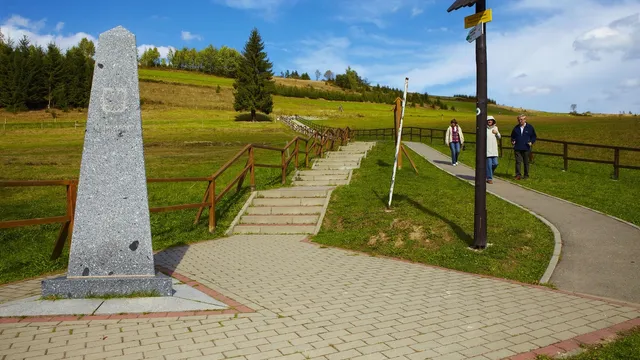
Trójwieś Beskidzka - wycieczka po gminie
Trójwieś Beskidzka (the Beskid Three Villages) comprises Istebna, Jaworzynka and Koniaków – three mountain villages in the heart of the Silesian Beskids, on the border with the Czech Republic and Slovakia. The region is famous for the living culture of the Silesian highlanders, Koniaków lace, glass painting and beautiful views, and Jaworzynka is home to the Trójstyk, the point where three countries meet.
The audio guide invites you on a tour of the Istebna municipality. It tells of the history, traditions and most interesting places of the Three Villages, so you can discover the region on your own, at your own pace.
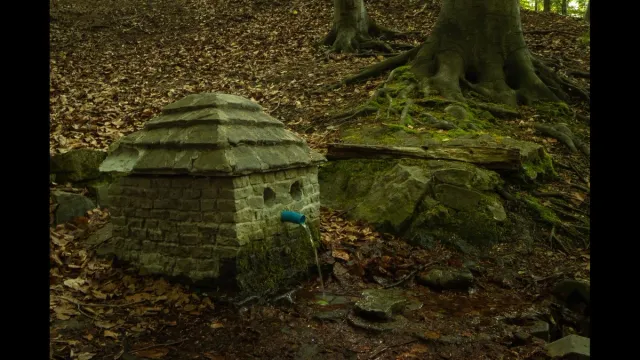
Hażlach - wycieczka terenowa
This is another walk through Cieszyn Silesia. We set off from the centre of Hażlach to reach Kończyce Wielkie, home to the charming wooden church of St Michael the Archangel. And nearby we will find an impressive palace whose last owner was Countess Gabriela Thun von Hohenstein.
So, let's meet in Hażlach!
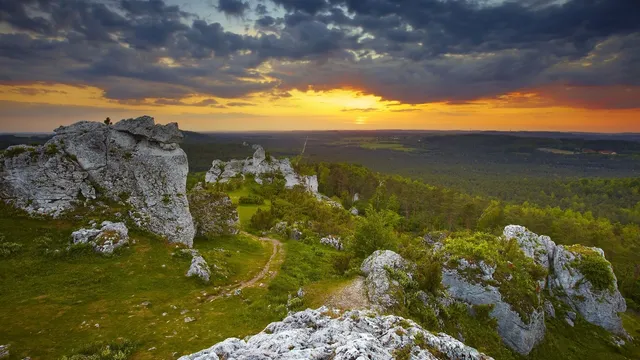
Góra Zborów - wycieczka terenowa
Góra Zborów near Podlesice is one of the most beautiful spots in the Kraków-Częstochowa Upland. This limestone massif is protected as a nature reserve and lies within the Eagle Nests Landscape Park. Rocks in fanciful shapes resembling the silhouettes of animals and people, as well as caves – including Jaskinia Głęboka, which is open to visitors – draw tourists and climbers alike.
The audio guide leads you around the reserve and tells you about its nature, geology and the secrets of the Jurassic rocks. Just put on your headphones, set off along the trail and, from the summit, admire the sweeping panorama of the Jura.
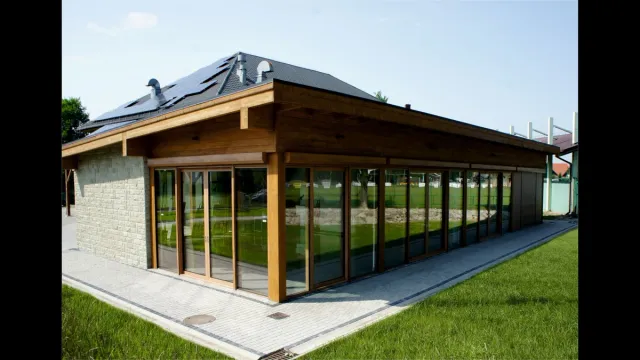
Jasienica - wycieczka terenowa
The Jasienica municipality lies on the border between Cieszyn Silesia and Podbeskidzie, between Bielsko-Biała and Skoczów. It is a land of picturesque hills, historic churches and villages with centuries of history – ideal for a peaceful trip away from the hustle and bustle.
The audio guide leads you through the most interesting places in the municipality and tells you about their history, the people and the traditions of the region. With it, you decide where to stop and how much time to spend sightseeing, and at every point along the route you have a virtual guide by your side.
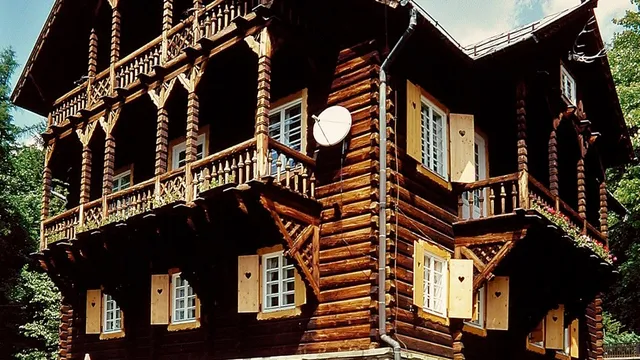
Brenna - wycieczka terenowa
Brenna is a picturesque Beskid municipality in the valley of the Brennica river, surrounded by the peaks of the Silesian Beskids. For years it has attracted visitors looking for mountain trails, clean air and a quiet break far from the hustle and bustle of the big city.
The audio guide invites you on a field trip around the municipality. Along the way, you will hear stories about the history of the villages, the local nature, highlander traditions and the places worth seeing. All you need is a phone and headphones to discover the charms of Brenna on your own, whenever you like.
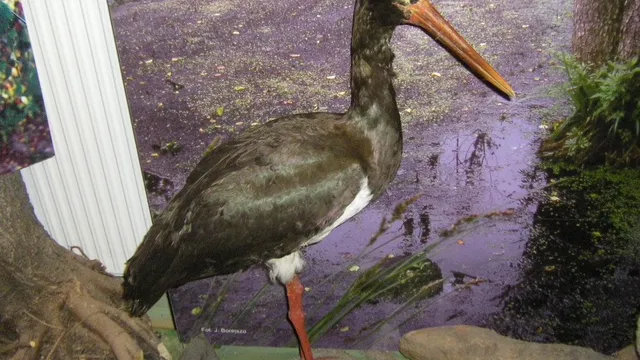
Wigierski Park Narodowy
The Suwałki Region is enchanting, and the jewel in its crown is Lake Wigry, protected by one of the largest national parks in Poland. To prepare well for an encounter with this beautiful place and its attractions, both natural and cultural, we encourage you to visit the Wigry museums beforehand and make use of the audio guides on offer.
The headquarters of Wigry National Park are located in the small village of Krzywe, situated slightly east of Suwałki. Nature and ethnographic exhibitions have been set up there. The modern nature exhibition introduces visitors to the unique world of Wigry – its landscape, animals and plants; equally interesting is the ethnographic exhibition showing how people lived by Lake Wigry at the turn of the 19th and 20th centuries.
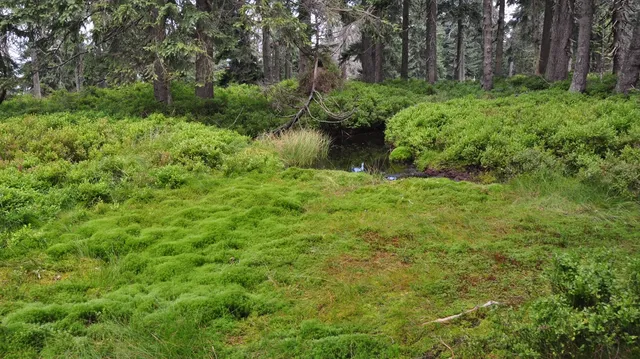
Ujsoły - wycieczka po gminie
The Ujsoły municipality lies in the Żywiec Beskids, right on the border with Slovakia. It is a land of mountain valleys, streams and vast forests, with trails leading to peaks such as Rycerzowa. In Glinka there is a geopark with interesting rock exposures, while the Soblówka and Złatna valleys enchant visitors with their tranquillity.
The audio guide invites you on a tour of the municipality and tells you about its nature, history and highlander traditions. You can explore at your own pace, and at each successive stop the virtual guide will point out what to look out for.
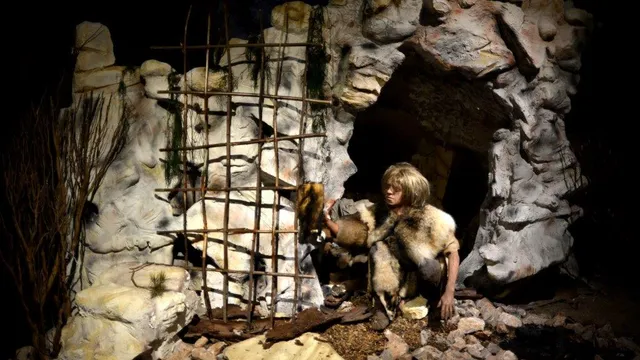
Jaskinia Raj
What makes caves so attractive to people? They are both dangerous and mysterious, and they also promise otherworldly beauty. In Poland, the most beautiful cave is located near Kielce, in the Świętokrzyskie Mountains, and bears the unambiguous name RAJ – "Paradise".
Touring the Raj Cave with an audio guide is an excellent solution, especially for foreigners, who most often speak English. During the guided walk, you can listen to interesting and expert commentary at the individual stops. In this way, you get to know the exhibition hall with its paleontological and archaeological finds, as well as the passages and chambers adorned with magnificent dripstone formations.
Centrum Dziedzictwa Szkła
For centuries, glass was an exclusive commodity available only to the few. Glassmakers’ secrets were closely guarded, and the glassmakers themselves were regarded almost as alchemists. Only recently has glass become commonplace, yet its production still has something mysterious about it. To see that “something” with your own eyes, the best thing to do is to travel to the Polish capital of glass – Krosno in the Subcarpathian region – and tour the one-of-a-kind Glass Heritage Centre with an audio guide.
The Centre is located on Krosno’s charming Market Square, surrounded by historic townhouses. Yet it presents this long-standing tradition in a thoroughly modern way. With headphones on, we walk through several floors of the Centre, listening to a professional audio guide. Among other things, it takes us to a glassworks with real glass-melting furnaces and shows how glass is worked and how finished products are made.
An additional attraction is a visit to the part of the Centre where a whole range of glass marvels is on display. You may well leave enchanted!
Karkonoskie Centrum Edukacji Ekologicznej w Szklarskiej Porębie
National parks in Poland are visited by well over ten million tourists every year. The Tatra National Park is admittedly the most popular, but second place on this list of attractions goes to the Karkonosze National Park. It is hard to believe that it draws some 2 million Poles and foreign guests eager for close contact with nature. We recommend to all of them that, before setting off on a mountain hike, they take a tour with an audio guide of the Karkonosze Centre for Environmental Education in Szklarska Poręba.
The Centre operates under the auspices of the Karkonosze National Park. In a building on Okrzei Street, almost at the foot of Szrenica, the park's specialists have prepared an interesting, modern exhibition devoted to the nature of the Karkonosze Mountains and their cultural heritage.
The audio guide helps you find your way around the exhibition quickly and presents difficult topics in an accessible way that everyone can understand. Together with the audio guide, we learn about the topography of the Karkonosze, their vegetation zones, the natural phenomena unique to these mountains and rare species of plants and animals. There is also a part about the people living at the foot of the Karkonosze and their achievements.
The whole is rounded off by a multimedia panorama of the range and a scale model.
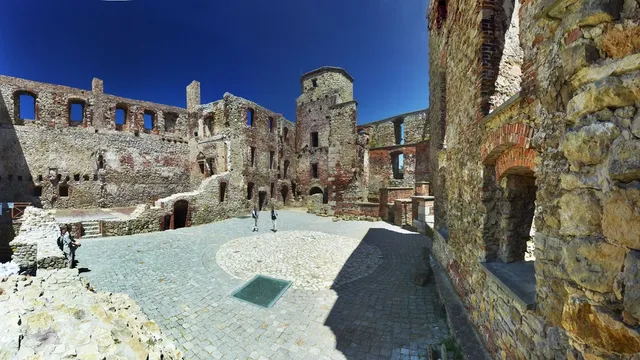
Zamek w Siewierzu
In the mid-15th century, the powerful Bishop of Kraków, Cardinal Zbigniew Oleśnicki, purchased the small Duchy of Siewierz, which lay on the borderland between Lesser Poland and Silesia. As a result, successive Bishops of Kraków, right up until after the Second World War, could boast the title of duke.
Today, the best way to discover this fascinating history is to stroll with an audio guide through the picturesque ruins of the castle in Siewierz, the former ducal capital. The audio guide lets you imagine what the fortress looked like in its heyday, and it also tells of little-known facts from the history of the bishops' tiny state and its rulers.
After visiting the castle, we also encourage you to explore the centre of Siewierz together with the audio guide – a town which, although it lies on the busy "Gierkówka" road, still does not attract as many tourists as it should.
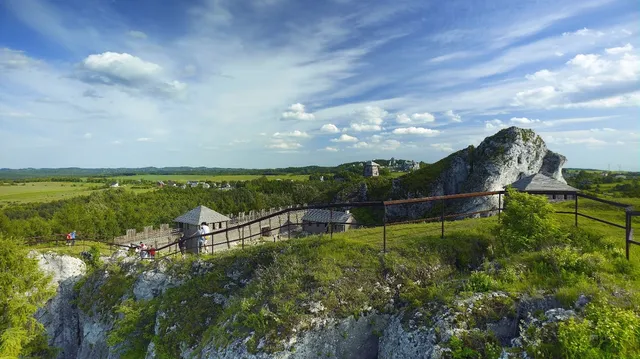
Gród na Górze Birów
Castles and hillforts, as well as their ruins, entice with their mysterious appearance and the promise of extraordinary stories. All this can be found in Podzamcze, a small village on the Kraków-Częstochowa Upland. For years it has attracted tourists who want to see the magnificent ruins of Ogrodzieniec Castle rising here. For some time now, an additional attraction has been the reconstruction of the medieval hillfort on Birów Hill. The audio guide will show you around each of these attractions.
The audio guide begins its tale right next to the castle, from where it leads us to the foot of Birów Hill. There, a palisaded stronghold appears before us, which we have to reach by climbing steep stairs. Inside the fortress – with the help of the audio guide – we learn what life was like several hundred years ago, and we look into the watchtower and the chieftain's hut. We also admire the sweeping views, which the hill with its fort offers in abundance.
It is worth adding that the audio guide is also available in a version for children.
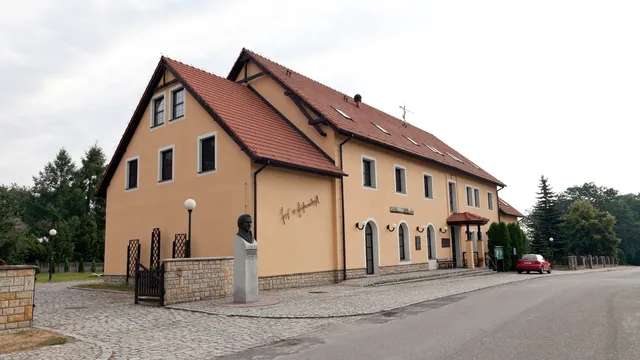
Górnośląskie Centrum Kultury i Spotkań im. Eichendorffa
Joseph von Eichendorff was born in 1788 and died in 1857. He went down in German literature as the most outstanding poet of the Romantic era alongside Goethe. Interestingly, his home village, Lubowitz, is the Polish village of Lubowice in Upper Silesia. This little-known place can be explored with an audio guide!
The Eichendorffs' little castle that once stood in Lubowice is today a picturesque ruin, one of those so beloved by Romantic artists. Spending time there with the audio guide and strolling along the paths of the palace park, you can give in to the mood of nostalgia and melancholy so often present in Eichendorff's works. We learn about the facts of his life and present-day efforts to popularise the poet's work at the Eichendorff Upper Silesian Centre for Culture and Meetings.
Muzeum Rzeźby Alfonsa Karnego w Białymstoku
Alfons Karny, born in Białystok in 1901, was one of the most outstanding representatives of the Warsaw school of sculpture. He became famous for his realistic portraits of great figures – his subjects included Copernicus, Paderewski, Einstein and Hemingway, among others. The museum bearing his name is located on Świętojańska Street in Białystok.
The audio guide invites you to discover the artist's life and work. It tells of the portraits of great Poles, the sculptor's studio and the successive stages of his artistic path. Touring with the audio guide lets you see the sculptures from a new perspective.
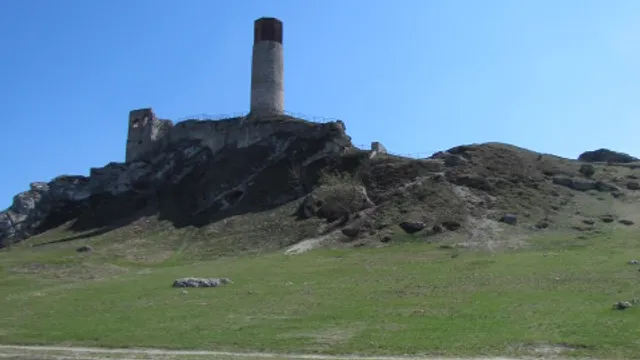
Spacer na Górę Lipówki
Olsztyn near Częstochowa, in the Kraków-Częstochowa Upland, is famous for the ruins of a medieval castle on Castle Hill. The village is surrounded by limestone hills, among them Lipówki, which offers views of the castle and the neighbouring hills.
On behalf of the Silesian Tourist Organisation (Śląska Organizacja Turystyczna), we prepared an audio guide for a walk up Lipówki Hill. The recordings accompany the walk and let visitors discover the Jurassic landscape at their own pace.
Świnna - wycieczka terenowa
Świnna is a village in the Żywiec region and the seat of the Świnna municipality in Żywiec County. It was first mentioned in 1507, and the River Koszarawa, a tributary of the Soła, flows through it.
Commissioned by the Silesian Tourist Organisation, we produced recordings for a field trip around Świnna and its surroundings. The audio guide lets you discover the village independently, at your own pace.
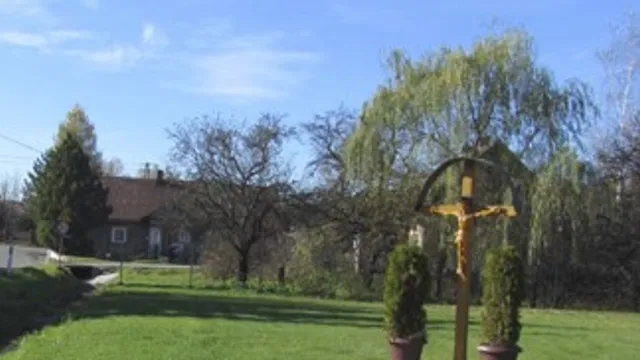
Łękawica - wycieczka terenowa
The Łękawica commune lies in Żywiec County, in the eastern part of the Beskid Mały (Little Beskids) mountains. It includes the villages of Kocierz Rychwałdzki and Kocierz Moszczanicki, set in the Kocierz massif between the Soła and Skawa valleys.
For the Silesian Tourist Organisation (Śląska Organizacja Turystyczna) we created an audio guide for a field trip around Łękawica. The recordings accompany visitors along the route and introduce the places they pass, and the trip can be enjoyed at your own pace.


Muzeum Zabawek w Krynicy-Zdrój
Krynica-Zdrój, the jewel of Polish spa towns, is home to a place that will delight children and adults alike. The Muzeum Zabawek (Toy Museum) holds thousands of exhibits – from tin toys, dolls and building blocks to optical devices and self-playing mechanisms. A large part of the collection consists of toys from the times of the Polish People's Republic (PRL), and the visit is rounded off by a recreated old-time classroom.
A dedicated app, available on the App Store and Google Play, lets you explore the exhibition on your own. You can choose between routes for individual visitors and for families with children – explore, solve puzzles and have fun as you step into a miniature world you won't want to leave.
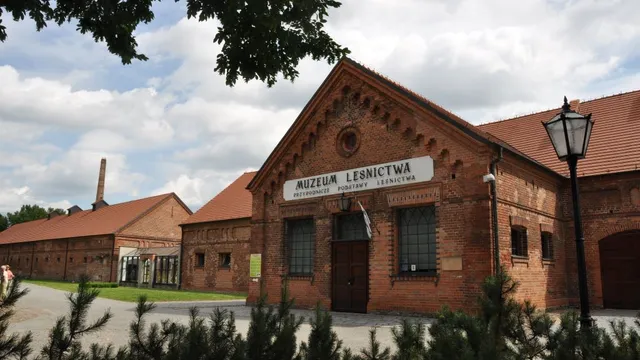

Muzeum Leśnictwa w Gołuchowie
Gołuchów in Greater Poland is famous for its picturesque castle and park complex. It is here, surrounded by a historic park, that the Forestry Museum (Muzeum Leśnictwa) is located – a one-of-a-kind place devoted to the history of Polish forestry and the role of the forest in culture.
The audio guide leads you through the museum's permanent exhibitions. In the Oficyna (Annex) building, you will discover the exhibitions “The Culture-Forming Role of the Forest” and “The History of Forestry in Poland”, while in the connected Carriage House and Sheepfold buildings you will see, among others, the exhibitions “Encounter with the Forest” and “Forest Technology”. The app can be downloaded from the App Store and Google Play.
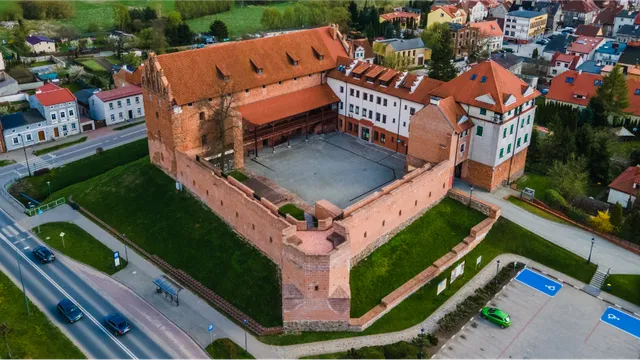

Muzeum Pogranicza w Działdowie
For centuries, Działdowo lay where states and cultures met. This history is told by the Borderland Museum (Muzeum Pogranicza), housed in the town hall and the Teutonic castle. Visitors can explore an interactive exhibition on the State of the Teutonic Order and the display “Działdowo – the town and people of the old borderland”, which presents the fortunes and achievements of the local community.
The app with an audio guide, available on the App Store and Google Play, lets you tour the museum using your own smartphone. With it, you can explore one room after another at your own pace and better understand how the borderland shaped the town and its inhabitants.

Muzeum Narodowe w Przemyślu
Przemyśl is one of Poland's oldest towns, which for centuries has stood at the meeting point of cultures and faiths. The National Museum of the Przemyśl Land (Muzeum Narodowe Ziemi Przemyskiej) safeguards the heritage of this remarkable region – its history, art, archaeology and culture.
The mobile audio guide app lets you explore three branches of the museum: the Main Building, the Museum of Bells and Pipes and the Museum of the History of the Town. Thanks to its intuitive design, all you need is a phone and headphones to discover local history on your own. You can download the app from the App Store and Google Play.
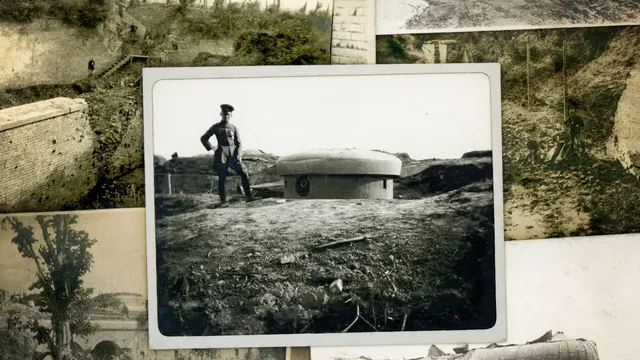

Fort XI Duńkowiczki
Fort XI Duńkowiczki is one of the best-preserved parts of the outer ring of the Przemyśl Fortress – one of the largest fortresses in Europe at the turn of the 20th century. During the First World War the fort saw active combat, and its walls still bear witness to the Russian assaults and the dramatic sieges of the fortress.
The mobile audio guide app leads you through the key parts of the fort: the barracks, armoured batteries, caponiers and traditors. Commentary based on historical sources and enriched with archival photographs helps you imagine the scale of the fortifications and the everyday life of the soldiers. You can download the app from the App Store and Google Play.
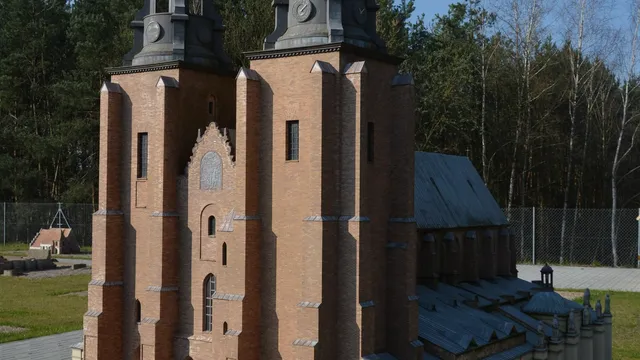

Skansen Miniatur w Pobiedziskach
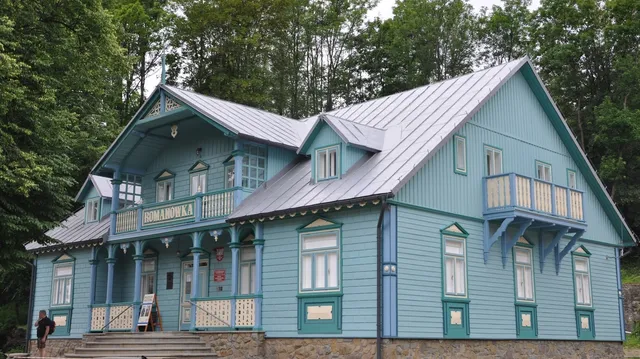
Muzeum Nikifora w Krynicy
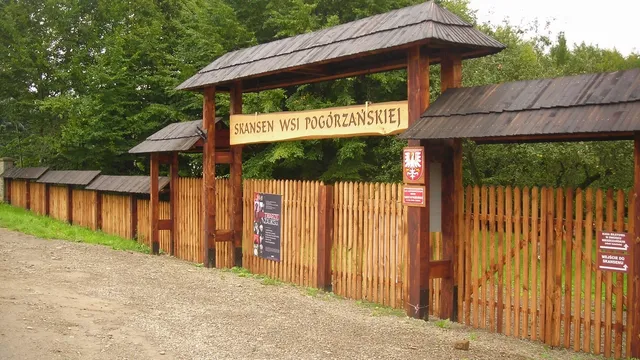
Skansen w Szymbarku
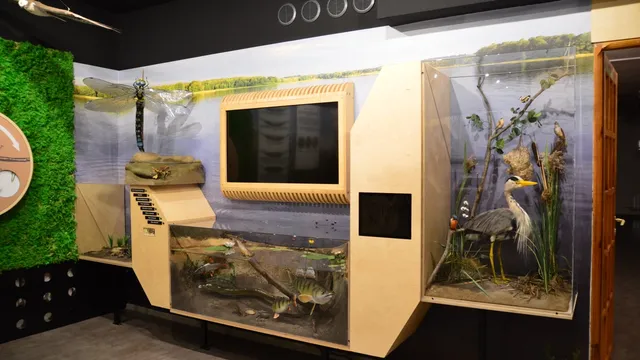
ZPK w Jerzwałdzie
Jerzwałd is home to the Zespół Parków Krajobrazowych Pojezierza Iławskiego i Wzgórz Dylewskich (Iława Lake District and Dylewo Hills Landscape Parks Authority). The Iława Lake District Landscape Park, established in 1993, covers more than 25,000 hectares, and around half of its waters belong to the Jeziorak complex – Jeziorak being the longest lake in Poland at 27.5 km.
We created an audio guide in the form of a mobile app that takes visitors around the educational exhibition at the park authority's headquarters. The recordings introduce the nature and landscape of the region, and the exhibition can be visited at your own pace.
The audio guide is available in Polish, English and German.
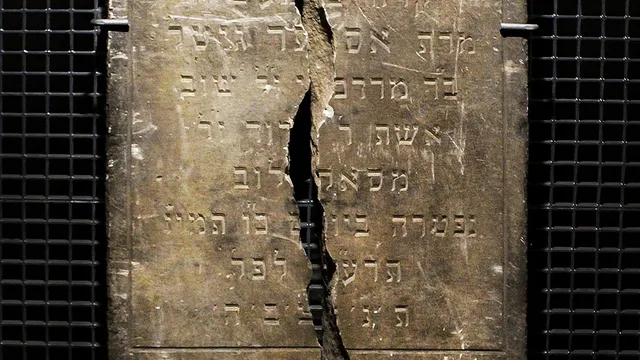
Obóz Pracy Treblinka I
The Treblinka I Labour Camp in Wólka Okrąglik was a penal labour camp set up by the Germans during the Second World War. Prisoners were forced to work here extracting gravel in a nearby gravel pit. Today the site of the former camp is part of the Treblinka Museum – a place of remembrance that commemorates the victims and the tragic history of this land.
The mobile audio guide app lets you explore the grounds of the former camp on your own. The commentary presents its history and the fate of the prisoners, helping you understand the significance of this place. You can download the app from the App Store and Google Play.
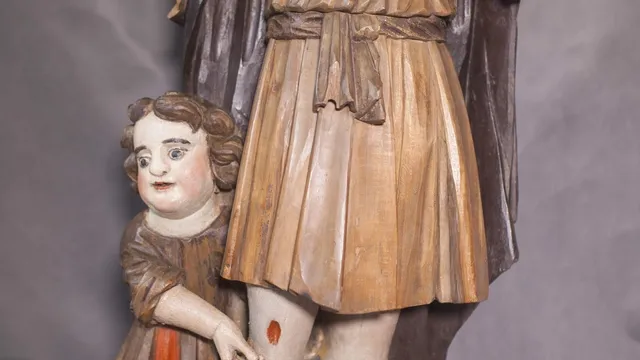
A święci milczą...
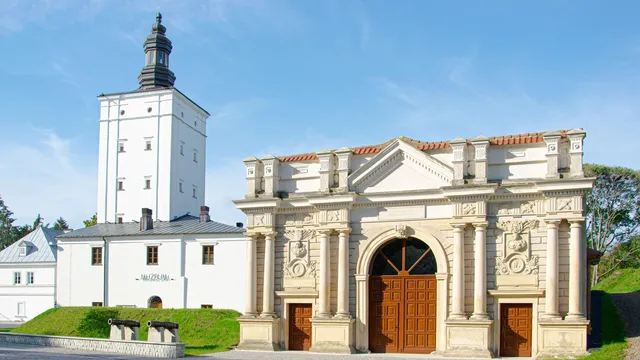

Muzeum Południowego Podlasia
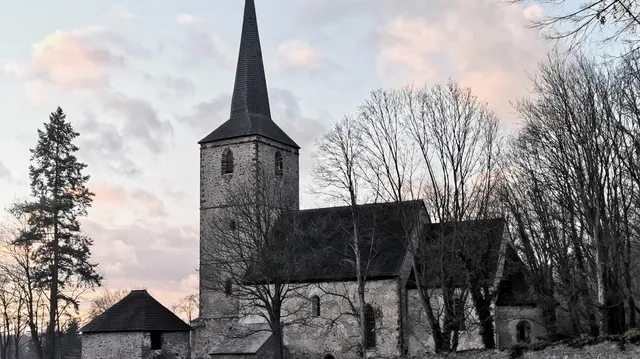
Romański kościół w Świerzawie
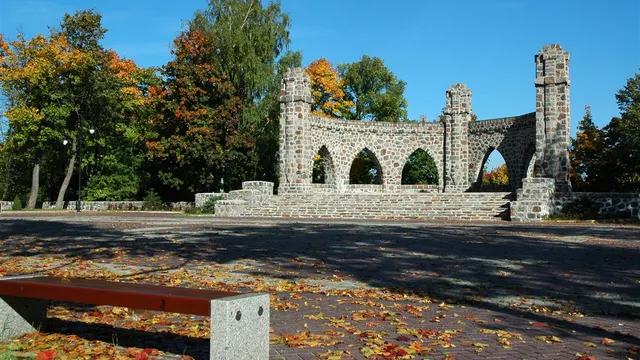
Olecka Izba historyczna
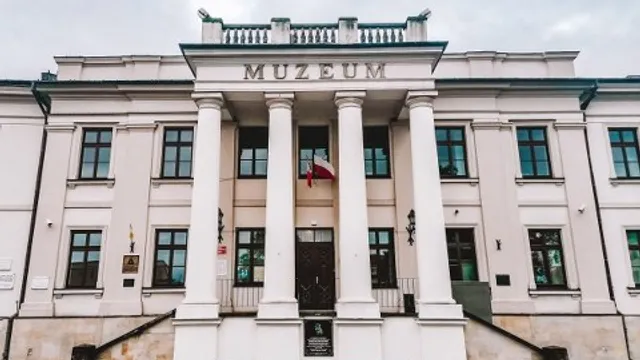
Muzeum Jacka Malczewskiego w Radomiu
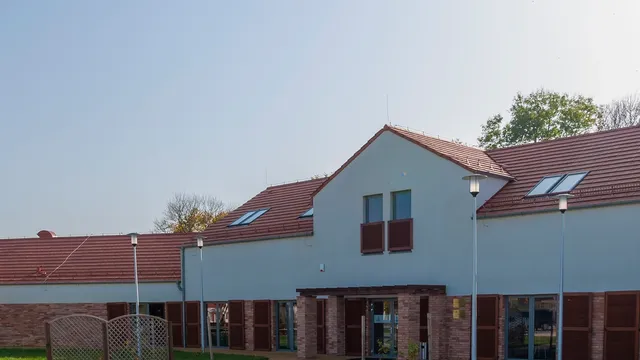
Lubuskie Centrum Winiarstwa
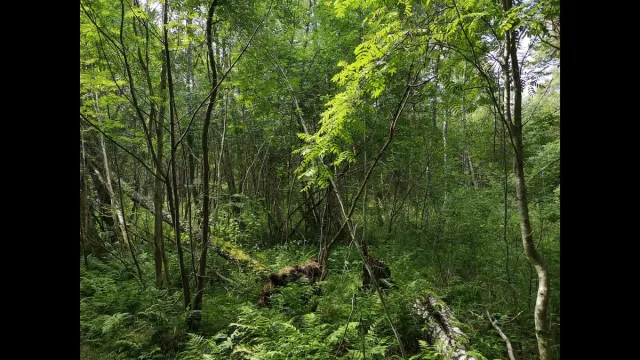
Ekocentrum w Kudowie
The Ekocentrum in Kudowa-Zdrój is an education facility of Park Narodowy Gór Stołowych (Table Mountains National Park) – established in 1993 as Poland's nineteenth national park. Its multimedia exhibition leads visitors through rooms devoted to geology, plants and animals, while a ‘tunnel of time’ shows how the Table Mountains were formed.
We prepared the audio guide recordings for the exhibition. They let visitors explore it at their own pace and introduce the park's nature.
The audio guide is available in Polish, English, German and Czech.
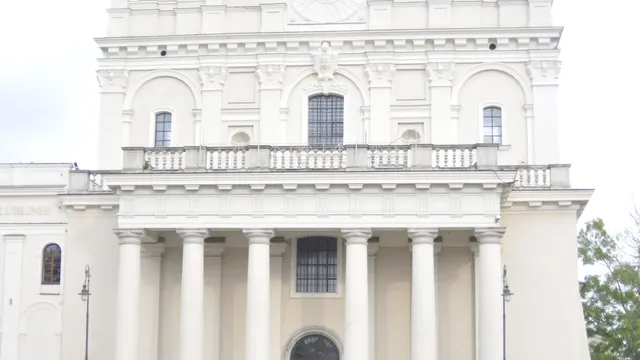
Archikatedra św.Jana Chrzciciela i św.Jana Ewangelisty w Lublinie
The Archikatedra św. Jana Chrzciciela i św. Jana Ewangelisty (Archcathedral of St John the Baptist and St John the Evangelist) is one of the largest churches in Lublin and an important example of the Baroque in the Lublin region. It was built for the Jesuits between 1586 and 1625 and has served as a cathedral since 1805. The interior is decorated with illusionistic frescoes from 1757 by Józef Meyer, court painter to Augustus III.
We prepared audio guide recordings that lead visitors around the archcathedral and present its history and decoration. They allow visitors to explore the church at their own pace.
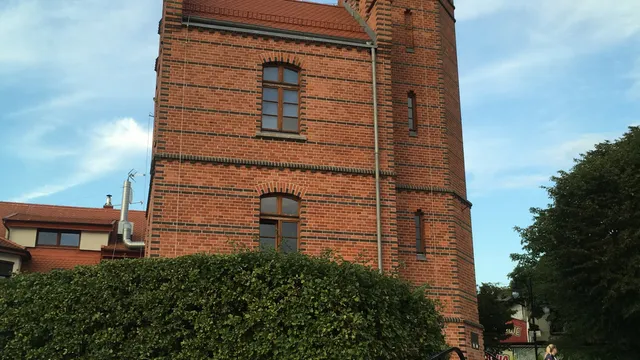
Ustka
The seaside town of Ustka has a wealth of attractions, and one of the newest is an audio guide that lets you explore the historic centre in the company of a 19th-century sea captain named Haase. The captain has vast knowledge of even the best-kept secrets of old Ustka, which he shares eagerly and with flair.
The walk forms a loop that starts and ends at the tourist information office on Marynarki Polskiej Street. After putting on the headphones and switching on the audio guide, we meet Captain Haase and Jakub, who adds stories from Ustka’s more recent history.
The two gentlemen lead us to the port and the lighthouse, stroll with us along the famous promenade, near which stands an age-old natural therapy spa, and even invite us into the captain’s house, which has fortunately survived to this day. We part only at the soaring church and – something the captain mentions reluctantly – in the shadow of the so-called Hitler oaks.
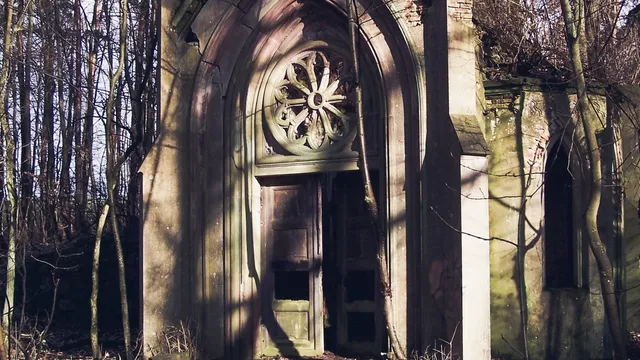
Danków - spacer po mieście
Danków, in the northern part of the Silesian Voivodeship, is a place with a surprisingly rich history. As early as 1217, it hosted a congress of the provincial dukes, and in the 17th century castellan Stanisław Warszycki built bastion fortifications that have survived to this day. During the Swedish Deluge, King John Casimir stayed in Danków.
The mobile app works like an audio guide on your phone. It takes you on a walk through Danków, telling the story of the former castle, the ramparts with the Way of the Cross, the Sanctuary of Our Lady of Danków and the people who shaped the history of this place. Just download the app from Google Play and set off on your walk.
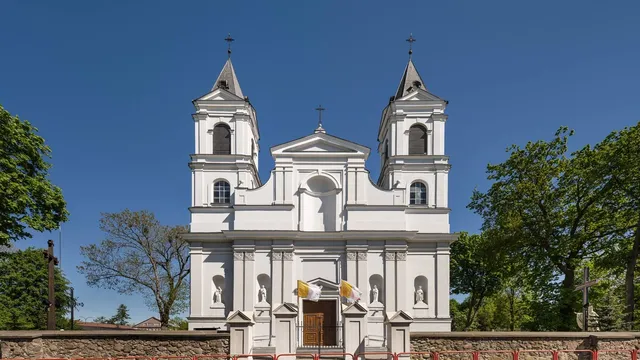
Suchowola - spacer po mieście
Suchowola in Podlasie is a small town with a remarkable location – it is considered the geometric centre of Europe. Before the war, Christians, Jews and Tatars lived here side by side, and nearby Okopy was the birthplace of Blessed Father Jerzy Popiełuszko. Today, the town's multicultural past is brought to life by the Centre of Three Cultures.
The audio guide takes you on a walk around Suchowola and tells you about its history, historic sites and people. With it, you can get to know the town at your own pace, discovering places that would be easy to pass by without a guide.
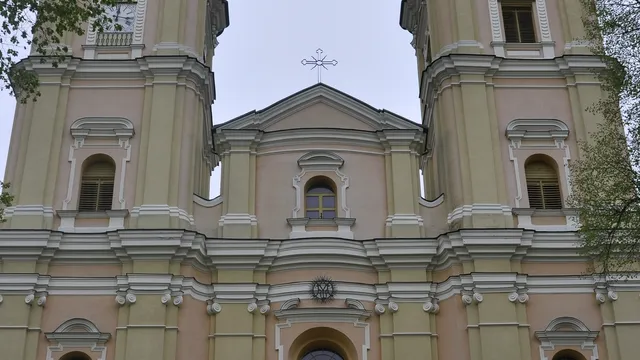
Stara Wieś - Sanktuarium Matki Bożej Starowiejskiej
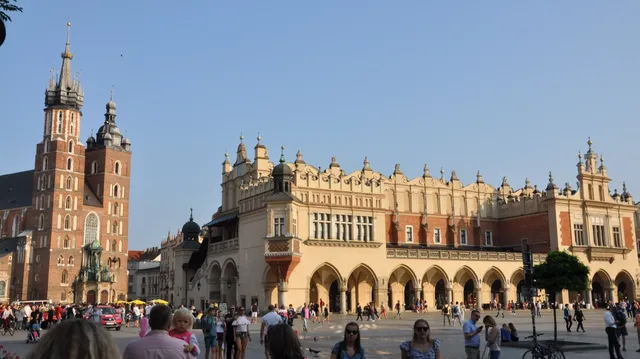
Kraków – wycieczka objazdowa
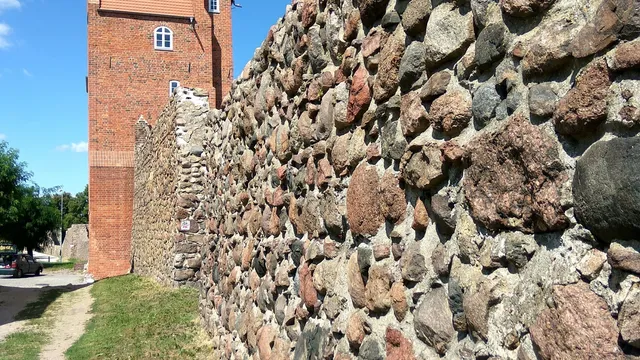
Strzelce Krajeńskie
Strzelce Krajeńskie is a small town in Lubusz Voivodeship with a rich medieval past. Its greatest attraction is the surviving defensive walls with their gates, which still encircle the historic centre today and give it a unique character.
The mobile app in the form of an audio guide lets you explore Strzelce Krajeńskie on your own, using your phone. It tells of the town's history and its historic monuments, guiding you from one interesting place to the next. You can download the app from the App Store and Google Play.
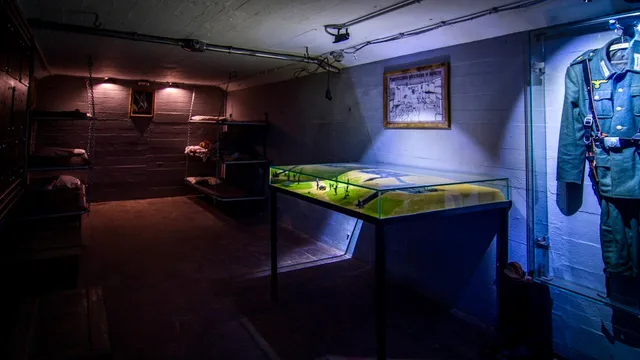

Zachęta - Narodowa Galeria Sztuki
Zachęta – National Gallery of Art is one of the most important art institutions in Poland. Its stately building on Małachowski Square in Warsaw, erected at the turn of the 19th and 20th centuries, has been showing art for more than a hundred years – once mainly by Polish masters, today above all contemporary work. It was here, in 1922, that President Gabriel Narutowicz was assassinated.
The audio guide helps you discover both the history of the building itself and the works on display. The narration explains the context of the works and introduces the artists, bringing art closer and making it easier to understand.
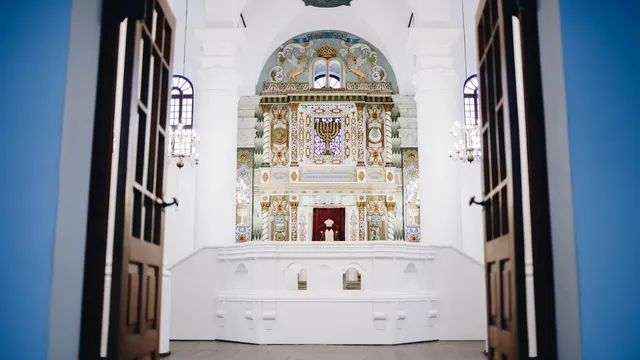
Muzeum - Zespół Synagogalny we Włodawie
Włodawa, situated on the Bug River where Poland, Belarus and Ukraine meet, was for centuries a meeting place of three cultures: Catholic, Orthodox and Jewish. The most precious legacy of the Jewish community is the synagogue complex with the Baroque Great Synagogue, the Small Synagogue and the kahal house – one of the best preserved in Poland.
The audio guide leads you through the synagogue interiors and the museum's exhibitions, telling the story of the religious life, customs and daily routines of Włodawa's Jews, as well as the town's multicultural history. It is a calm, reflective visit in which everyone can move at their own pace.
Muzeum Zamkowe w Kwidzynie
The audio guide to the castle in Kwidzyn is a treat for lovers of Gothic architecture and militaria as well as for enthusiasts of nature and ethnography.
The castle was built in the 14th century for the Pomesanian Chapter, that is, the canons who assisted the bishop residing in Kwidzyn. Two wings of the stronghold, with many beautiful interiors, have survived to this day. The most interesting feature, however, is the unique dansker – a tall tower connected to the castle by a 54-metre covered arcaded bridge; the dansker served as a latrine and as a tower of last defence.
While exploring the castle interiors with headphones on, it is worth noting, among other things, the brick furnace of the medieval heating system and the beautiful vaults. The permanent exhibitions are devoted to painting and decorative arts; particularly interesting are the displays presenting the art and material culture of the Lower Vistula region (Dolne Powiśle) and the nature of northern Poland.
The museum in Kwidzyn is a branch of the Malbork Castle Museum.
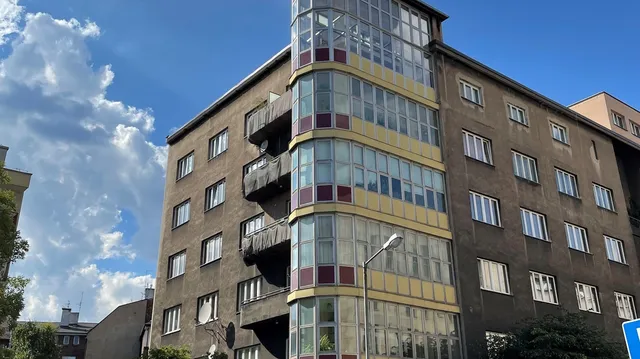
Katowice City Break - Szlak Modernizmu
In the popular imagination, the capital of the Silesian Voivodeship is nothing but a city of coal and steel. But here comes a surprise! Katowice is in fact a modern metropolis that simply has keeping up with the latest trends in its blood. To see this for yourself, all you need to do is set out into the city with the audio guide along the Modernism Trail and marvel at the extraordinary buildings that were already avant-garde before the Second World War.
With the audio guide we walk a good few kilometres. It is well worth taking the time, however, to see how the architects working in the first half of the 20th century understood modernity. Some followed in the footsteps of the brilliant Le Corbusier, others blazed their own trails. During the tour we discover works by, among others, Karol Schayer and Tadeusz Michejda. The buildings we see include modest villas and residential houses as well as the imposing edifices of the Silesian Voivodeship Office and Silesian Parliament and of the Non-Integrated Government Offices, as well as a church and a bank headquarters.
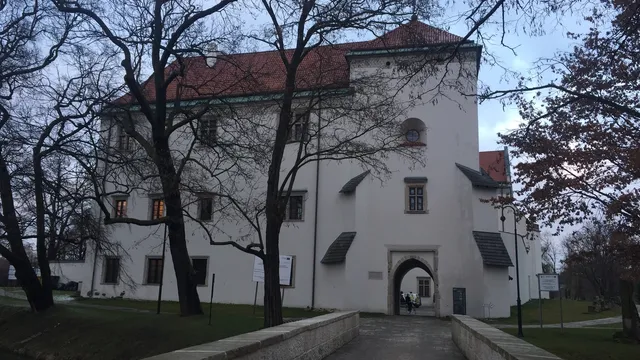
Muzeum Ludowych Instrumentów Muzycznych w Szydłowcu
Tourists travelling the popular route between Kraków and Warsaw should find time to stop in Szydłowiec near Radom. The town boasts beautiful historic buildings and the unique Museum of Folk Musical Instruments.
The museum is housed in the castle of the Szydłowiecki and Radziwiłł families, one of the most beautiful early Renaissance magnate residences in Poland. After putting on the headphones and switching on the audio guide, we are transported to another world – a village dance or a country wedding. It is a unique opportunity to discover the appearance and sound of such musical rarities as the ancient fidel, the Biłgoraj suka rescued from oblivion, or the simple pierdziel.
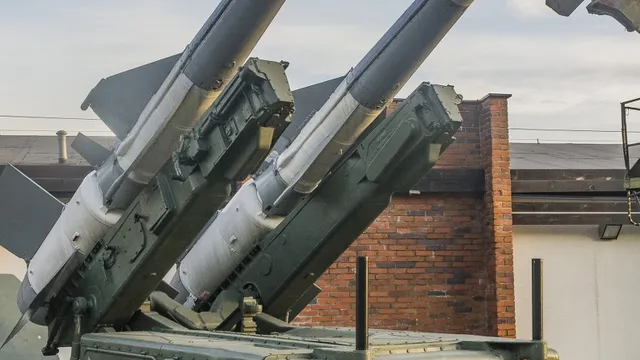
Muzeum Obrony Przeciwlotniczej w Koszalinie
In 2017 the completely rebuilt and modernised Air Defence Museum in Koszalin was opened for visitors to judge for themselves. A visit is a real treat for military enthusiasts, of whom there are plenty in Poland. They will certainly appreciate the opportunity to explore the exhibition with the help of an audio guide.
The audio guide uses tried-and-tested solutions. It greets us at the ticket office in the exhibition building and then leads us from one number to the next. In this way, through the exhibits, we learn the history of the Polish air defence forces, from the interwar period, through the Second World War, right up to the present day.
The icing on the cake is the open-air exhibition arranged around the museum building. Anti-aircraft guns of various calibres and modern missiles point at the sky there; the Yak-40 aircraft and the famous "Iskra" also make a fine sight.
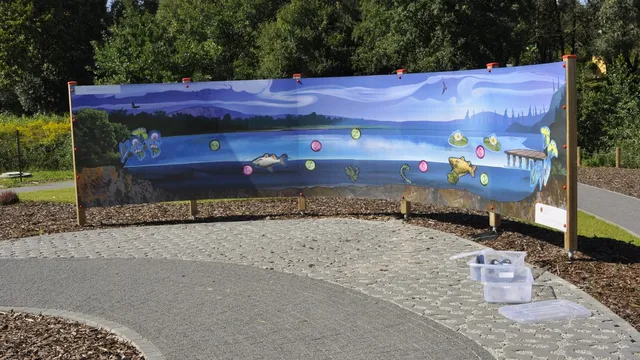
Centrum Edukacji Ekologicznej przy oczyszczalni ścieków „Ruptawa”
Who said a sewage treatment plant can't be an interesting destination for a trip? On the grounds of the “Ruptawa” treatment plant in Jastrzębie-Zdrój, the local water and sewage company, Jastrzębski Zakład Wodociągów i Kanalizacji, runs its Ecological Education Centre, and next to it the “River of Knowledge” educational trail, shaped like the natural course of a river.
Along its meanders, learning stations devoted to water, environmental protection, sustainable development and renewable energy sources await. The audio guide helps you understand what happens to water before it returns to nature – a great ecology lesson for school groups and families alike.
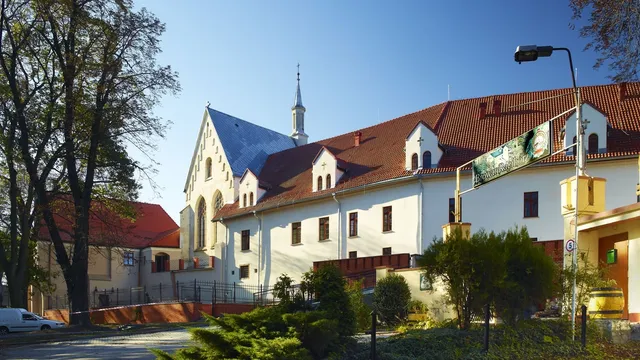
Racibórz - Spacer z zamku do miasta
The town stands out for its long history and fascinating monuments. The walk begins at Racibórz Castle, where the mysteries of secret passages are yet to be solved and whose jewel is the strikingly beautiful Gothic Chapel of St Thomas; we then wander through the town's streets, full of historic buildings, finally reaching its heart – the beautiful Market Square.
So, let's meet in Racibórz!
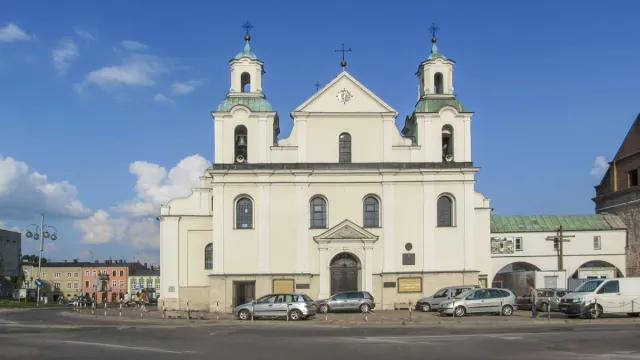
Spacer do Archikatedry
It is the second most populous city in the Silesian Voivodeship. During the tour, our guide will tell you about its interesting history and also lead you to places where valuable historic monuments have been preserved. We will also take a look at the city from the town hall tower!
So, let's meet in Częstochowa!
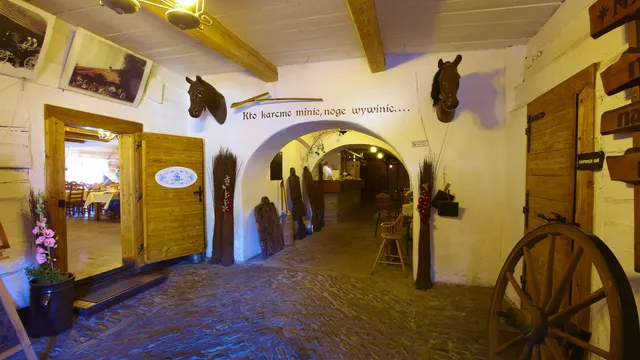
Jeleśnia - Wycieczka po miejscowości
This large village lies in the heart of the Żywiec Beskids. A walk through it will introduce you to the highland traditions that are still alive here, which are best enjoyed in an 18th-century inn. In addition, the guide will take you to the historic church, the Regional Chamber of Creative Work and the monument to American airmen.
So, let’s meet in Jeleśnia!
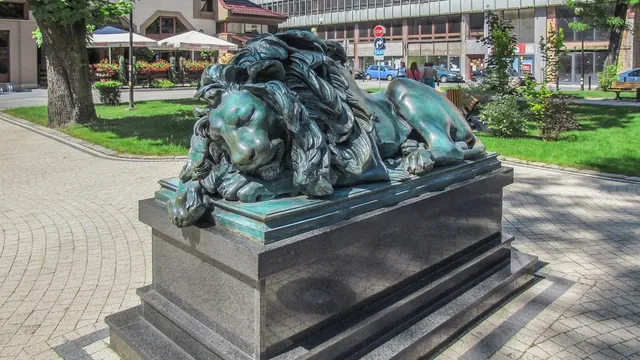
Spacer do Parku Chopina
Gliwice, one of the larger cities of Upper Silesia, has a rich history and an interesting historic town centre. So there is plenty to show off to tourists, for whom special audio guides have been prepared as part of an ambitious project of the Silesian Tourist Organisation.
The audio guide can be rented at the Tourist Information Point. Once the device is switched on, we are led from one attraction to the next. The tour runs like clockwork, because the recordings start automatically thanks to GPS technology.
The walking route includes, among other things, the prestigious Zwycięstwa Street with its famous department store designed by Erich Mendelsohn. The audio guide also leads us to the charming Chopin Park and to the Palm House, which offers a respite after a walk through the bustle of the streets.
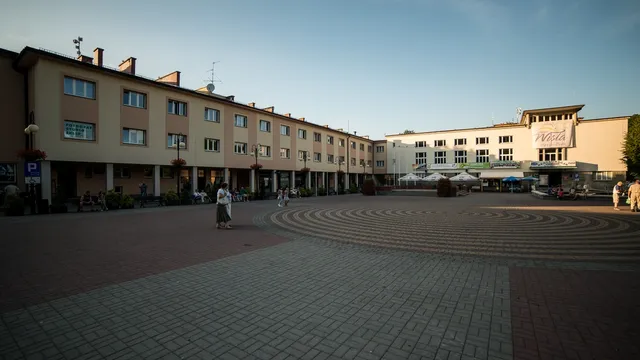
Wisła - spacer po mieście
This Beskidy resort was made famous by Adam Małysz, Poland's greatest ski jumper. We invite you on a walk around the centre of Wisła, during which we will discover its multicultural face, take a look at its historic monuments and even drop into a highlanders' inn. And of course we will say hello to Adam Małysz – only this one is made of… chocolate!
So, let's meet in Wisła!
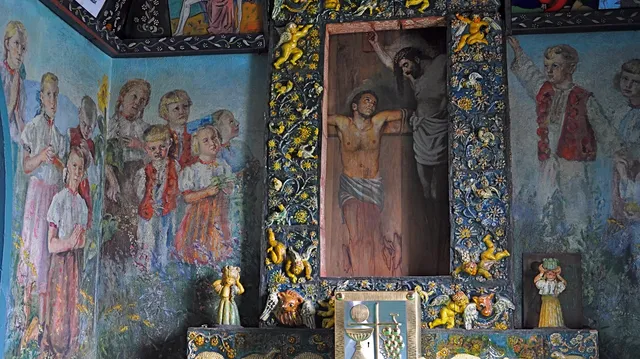
Istebna - wycieczka po miejscowości
Where better than in Istebna – the capital of the Silesian highlanders – to learn more about their history and the traditional culture they cherish to this day? During a short walk we will show you the historic parish church, beautifully decorated by local artists, and we will also visit the old Kawulok cottage.
So, let's meet in Istebna!
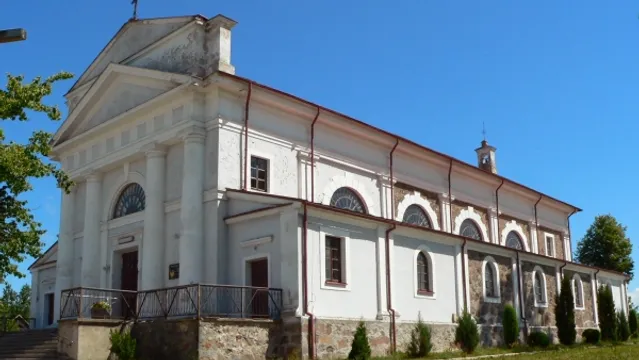
Filipów - wycieczka po miejscowości
Filipów is a large village and municipal seat located west of Suwałki. The village is crossed by the Rospuda River, which meanders picturesquely here. This place, attractive to tourists, is being promoted by the Suwałki Chamber of Agriculture and Tourism, which initiated the creation of a unique audio guide for this purpose.
The audio guide shows you around Filipów, stopping at its most interesting points. As befits a former town, the tour starts near a square resembling a market square. Then we stroll towards the church and learn about the multi-religious history of the village, including an interesting thread devoted to the Mariavites. The tour ends at a monument commemorating the battle between Polish troops and the Swedes during the so-called "Deluge".
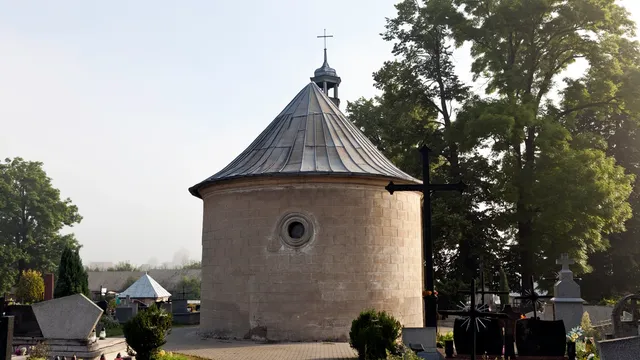
Sławków - wycieczka po mieście
This is no ordinary town, given that it has "its own" street in the centre of Kraków – Sławkowska Street. As early as the Middle Ages it was a mining centre, and later it belonged to the bishops of Kraków. Our guide leads you to old churches and castle ruins, and even stops for a while at an inn.
So, let's meet in Sławków!
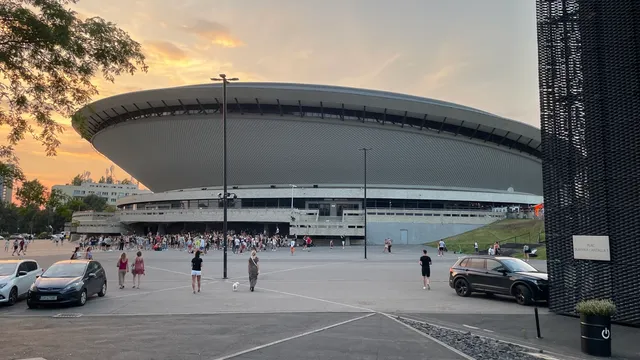
Katowice City Break - Szlak Centrum
This will be a walk around… Chicago. The Polish Chicago, of course! That is what Katowice used to be called in the interwar period. Why? Because dozens of modern buildings sprang up there at that time. Among them were skyscrapers too – some of the first in Poland and in Europe.
So, let's meet in Katowice!
Szlakiem Modernizmu w Poznaniu
After the Second World War, more than a dozen modern buildings were erected in Poznań, which today are regarded as striking examples of modernism in architecture.
Our audio guide begins near the Kaponiera Roundabout, beside which stand the first two interesting buildings – the Hotel Mercure (originally the Merkury) and the Jowita student residence. We then head towards Poznań’s Old Market Square, seeing, among other things, university buildings, former department stores and office blocks, led by the famous Okrąglak. The last stop is on the Market Square, in front of the controversial Arsenal.
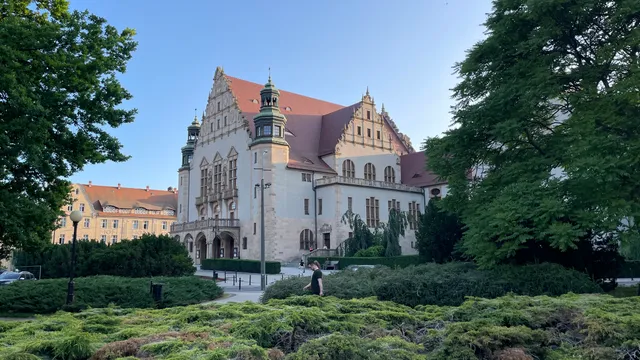
Poznań XIX-wieczny
During the Partitions, Poznań was first the capital of the Grand Duchy of Poznań and later of a Prussian province. The city grew considerably at that time, and its centre was adorned with many prestigious buildings.
We begin our tour together on Wolności Square and finish on Niepodległości Avenue. With the audio guide we get to know both the edifices erected by the Germans as symbols of their power in the city (e.g. the Imperial Castle) and the buildings put up by Poles guided by the ideas of organic work (e.g. the Raczyński Library).
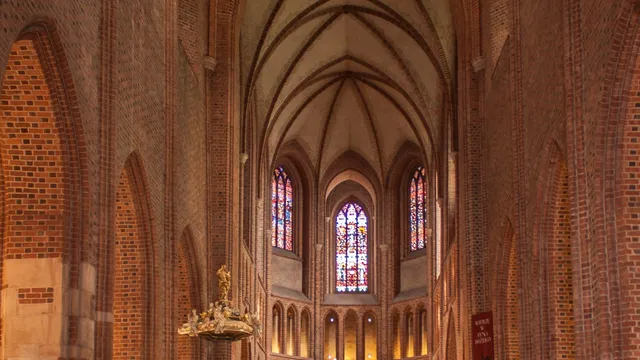
Najstarszy Poznań - wycieczka terenowa
Ostrów Tumski in Poznań is a special place – here stood one of the most important strongholds of the first Piasts, whose remains can be seen in the archaeological open-air museum; here Mieszko I built the first masonry palace; here this ruler was baptised, bringing Poland into the sphere of Latin Christian culture.
With the audio guide, we discover the remarkable monuments of Ostrów Tumski, above all the cathedral, which holds the remains of Poland's first rulers, and the Archdiocesan Museum; we soak up the atmosphere of this beautiful place; and we also take a look at the old districts across the river.
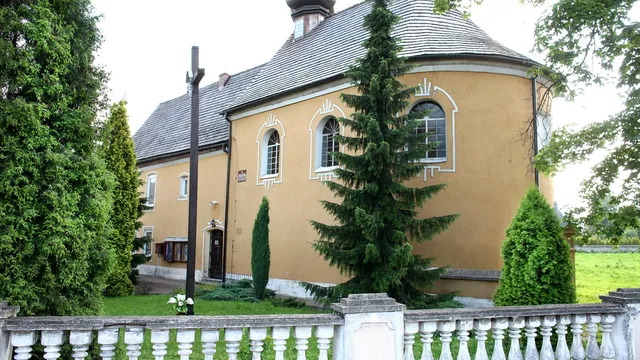
Koziegłowy - wycieczka po miejscowości
Our guide will take you around this small town with almost a thousand years of history. Interesting historic sights await you there, above all the Gothic wall paintings in the Koziegłowy parish church. You will also find out the dimensions of the world's largest hat and where artificial Christmas trees come from.
So, let's meet in Koziegłowy!
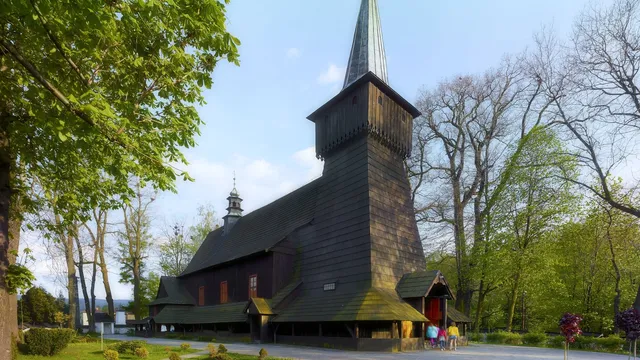
Gilowice - wycieczka po miejscowości
The village was made famous by the boxer Tomasz Adamek, who always emphasises his ties to Gilowice, its inhabitants and the faith of his ancestors. So we invite you on a tour of the home turf of “Góral”. We will see a beautiful little wooden church, hear interesting stories and touch on sporting themes too.
So, let's meet in Gilowice!
Rajcza - wycieczka po miejscowości
This is a typical Beskid village, set in a charming valley shaded by picturesque peaks. Highlander traditions are still alive here. Visitors will be interested in the palace, once home to enterprising Italians and later to Polish aristocrats and the Habsburgs, and in the church with a miraculous image of the Madonna – a gift from a Polish king.
So, let's meet in Rajcza!
Jaworze - wycieczka po miejscowości
...I will not forget this quiet haven among the mountains, in a land laughing with glowing noons... – assured Melchior Wańkowicz, the eminent Polish writer. You, too, will fondly remember a walk through the Spa Park in Jaworze, which holds reminders of the once highly regarded health resort.
So, let’s meet in Jaworze!
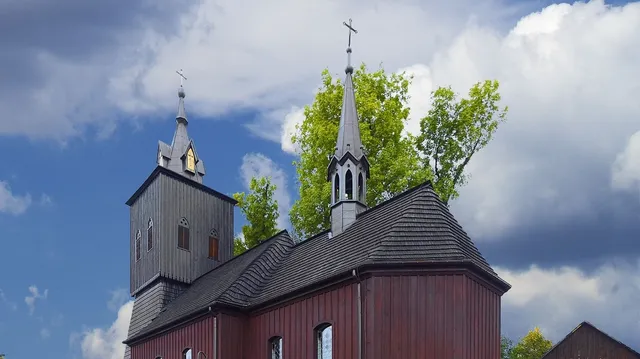
Gołkowice - wycieczka terenowa
Gołkowice is a small village in the Godów municipality, located in the south of the Silesian Voivodeship, right on the border with the Czech Republic. A walk around the municipality is an encounter with history and Silesian culture. This is where Franciszek Pieczka and Marian Dziędziel come from, and this is where historic wooden churches stand.
So, let's meet in Gołkowice!
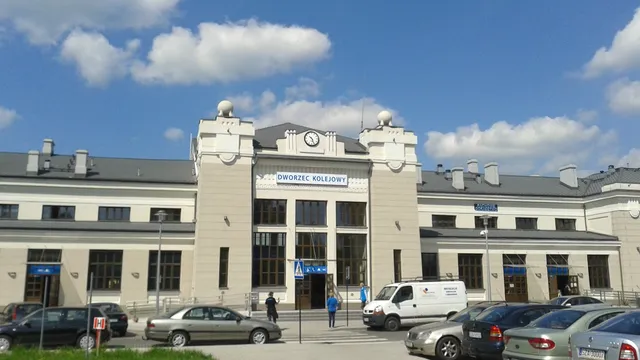
Zawiercie - wycieczka po mieście
It is a young town, less than a hundred years old. However, the locality developed earlier as a thriving industrial centre. The walk around the centre of Zawiercie begins in front of the historic railway station and then leads, among other places, to a monumental basilica, an industrialist's villa and a unique workers' housing estate.
So, let's meet in Zawiercie!
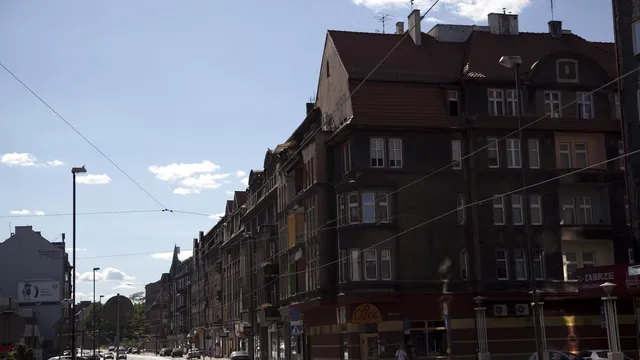
Zabrze - wycieczka po mieście
Can a town less than 100 years old interest a tourist? Of course! Especially if it grew thanks to the mining of black gold – hard coal. Our tour will take you to the unique Coal Mining Museum and also introduce you to interesting stories and sites.
So, let's meet in Zabrze!
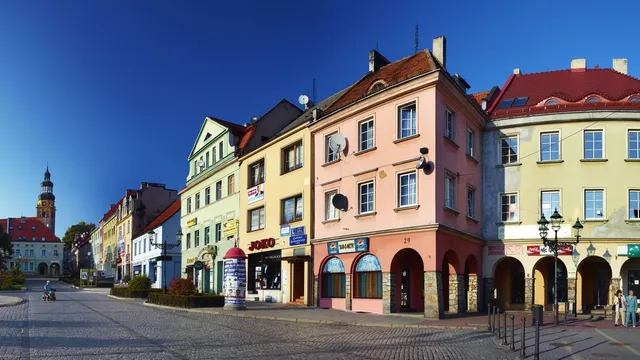
Wodzisław Śląski - wycieczka po starówce
This town is, would you believe, more than 750 years old! The walk around it begins in front of the 18th-century Dietrichstein Palace, then leads through the picturesque Market Square and reaches the churches – Catholic and Evangelical – before returning to the starting point. There are plenty of historic monuments and even more interesting stories. Don't miss the riddle of the female vampire!
So, let's meet in Wodzisław Śląski!
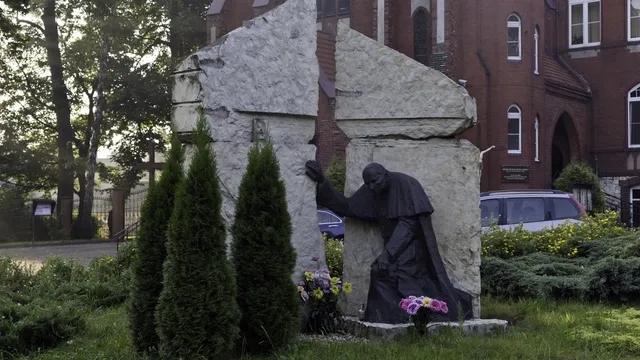
Tarnowskie Góry - wycieczka po mieście
To jedno z najpiękniejszych miast Górnego Śląska. Zwane jest „Miastem Gwarków”, ponieważ początek dali mu gwarkowie, czyli górnicy. Start i meta naszego spaceru znajdują się na uroczym, tarnogórskim rynku. Po drodze mnóstwo zabytków i interesujących miejsc.
Zatem, spotkajmy się w Tarnowskich Górach!
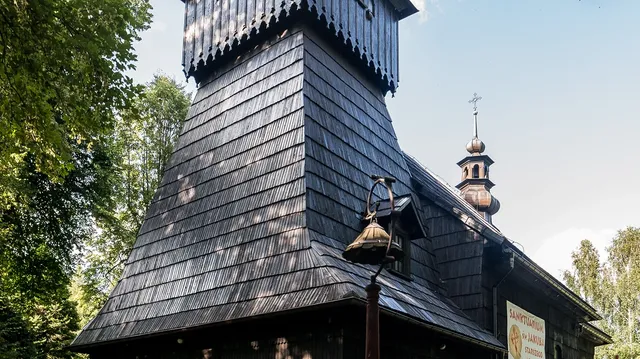
Szczyrk - wycieczka po miejscowości
It is one of the skiing centres of Poland. That is why we will mention skiing quite often during the walk. However, our encounter with the town at the foot of Skrzyczne and Klimczok will also reveal its other face. We will tell you about the local highland culture and also stop at Szczyrk's historic sites.
So, let's meet in Szczyrk!
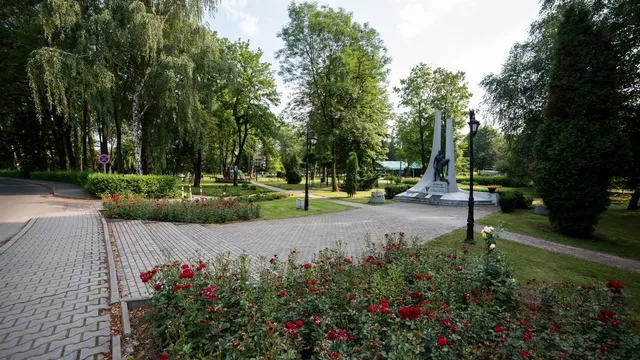
Strumień - wycieczka po miejscowości
We are going to wander around a capital. Yes, that's right, you heard correctly! The capital of the “Frog Land”. For Strumień, located in Cieszyn Silesia, and its surroundings have been famous for their remarkable fishponds for centuries. The little town also boasts a pretty little market square, the oldest town hall in Silesia and even health-giving brine.
So, let's meet in Strumień!
Skoczów - wycieczka po mieście
Located in the heart of Cieszyn Silesia, this town will charm you with its interesting history and attractive historic monuments. Skoczów is the birthplace of St John Sarkander – he is especially venerated here, and the exceptional visit of Pope John Paul II is also remembered.
So, let's meet in Skoczów!
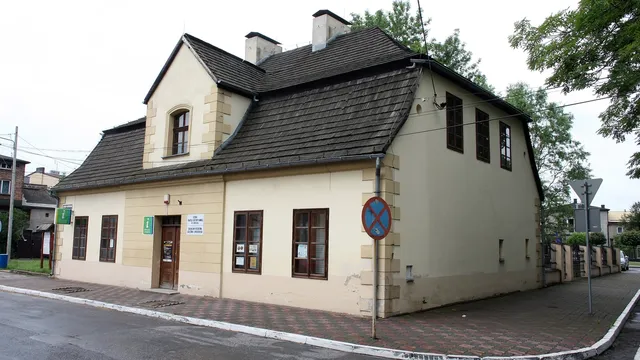
Siewierz - wycieczka po rynku
It is a small town of five thousand inhabitants whose wealth of history big cities might well envy. The history of Siewierz is approaching a thousand years. Interesting historic sites have survived here to this day: one of the oldest Romanesque churches in Poland, the townhouses on the Market Square and the ruins of the bishops' castle.
So, let's meet in Siewierz!
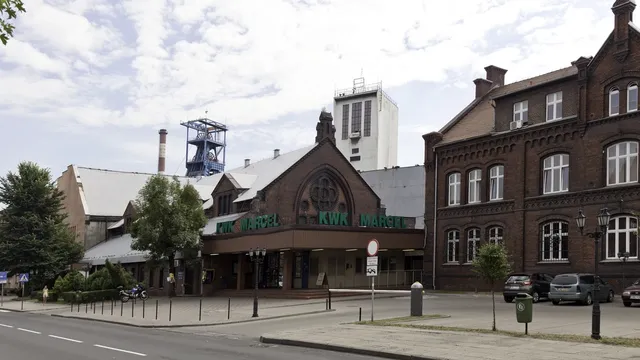
Radlin - Wycieczka po mieście
This will be a walk around a typical Silesian town that has been shaped above all by hard coal mining. So we will take a close look at a historic mine and also visit an estate of the famous familoks, or workers' houses. We will also solve a certain mystery – how is it possible that Radlin does not lie in Radlin?
So, let's meet in Radlin!
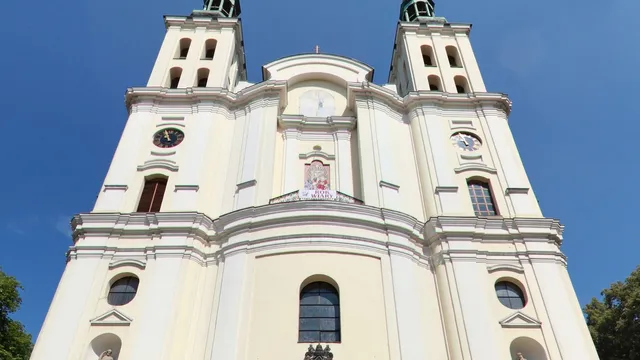
Pszów - wycieczka po miejscowości
The landscape of Pszów is dominated by the towers of an imposing basilica, where the Mother of God smiles intriguingly from a painting, and by the shafts of the disused “Anna” hard coal mine. Our tour will take you to both of these places, bringing you closer to the history of a typical Silesian town.
So, let's meet in Pszów!
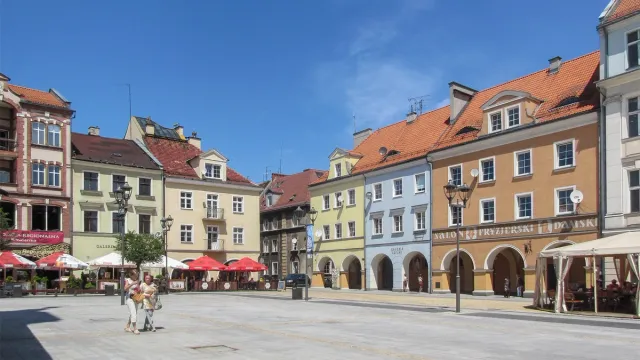
Gliwice - Wycieczka po Starym Mieście
This is one of the oldest towns in Upper Silesia, with roots going back to medieval times. Interestingly, it has preserved its original urban layout and many centuries-old historic buildings. We will tell you about the most interesting of them: the castle, the old walls and gates, the parish church and the charming Market Square with the town hall in the middle.
So, let’s meet in Gliwice!
Dąbrowa Górnicza - Wycieczka po mieście
This is the heart of the Dąbrowa Basin. Until the early 19th century the place was the idyllic village of Dąbrowa. Later, mines and steelworks were built here. Until finally, at the beginning of the 20th century, it became Dąbrowa Górnicza. We will tell you how this transformation came about.
So, let's meet in Dąbrowa Górnicza!
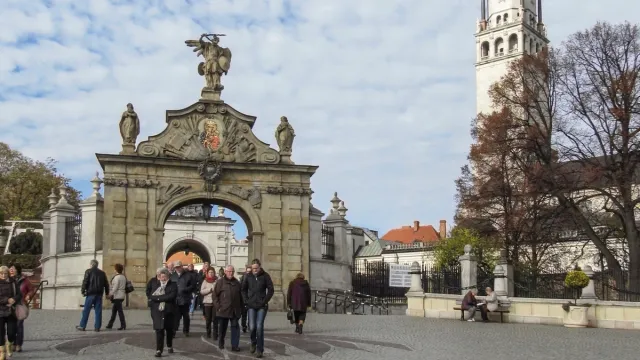
Spacer do Klasztoru Jasnogórskiego
It leads along the grand Avenue of the Blessed Virgin Mary to Jasna Góra, where the famous Pauline monastery stands with the miraculous image of the Black Madonna. During the walk you will learn about the rich history of this place and also relax in an extensive park.
So, let's meet in Częstochowa!
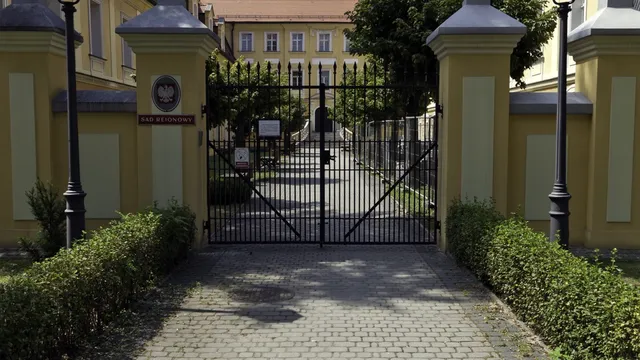
Rybnik - Wycieczka po mieście
The coat of arms of this town features a pike and a rare plant – the water chestnut – on a blue shield. This means that although industry is Rybnik's wealth, you will also find forests, parks and lakes here… The town itself has an interesting history and a basilica with a tower from whose top – at the height of a 30th floor – a magnificent view unfolds!
So, let's meet in Rybnik!
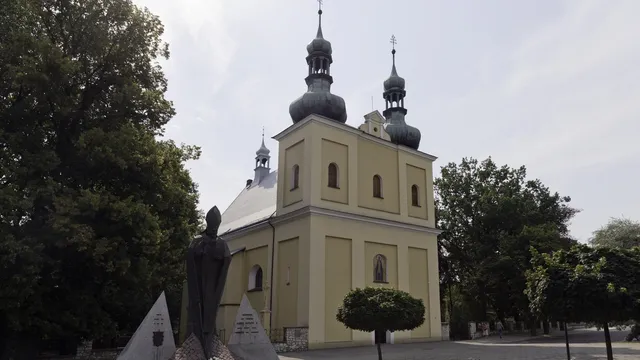
Racibórz - Wycieczka po mieście
This town, located near the border with the Czech Republic, boasts a history of almost a thousand years. The walk begins and ends at the Market Square, in the immediate vicinity of which you will find such gems as the Gothic parish church, the Renaissance Tower, where dishonest townspeople were imprisoned, or the Baroque column – a harbinger of the end of the world.
So, let’s meet in Racibórz!
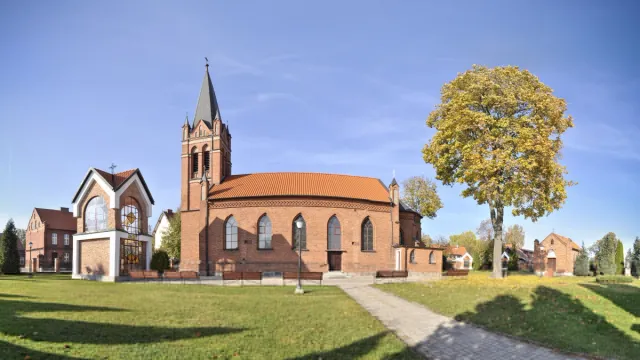
Olecko - spacer po mieście
According to legend, several centuries ago Wawrzyniec von Halle, the starost of Straduny, made a bet that if he stood at one end of the market square at the head of 400 horsemen, he would not be visible from the other end. He won the bet. And do you know which town's market square it was? Of course, the market square in Olecko – reputedly the largest in Europe!
This legend opens the audio guide that takes you around the centre of Olecko, a county town in the eastern part of Masuria. Tourists have the chance to see the famous Market Square, or rather what remained of it after the conflagration of war. They then stroll along quiet streets to the shore of Lake Oleckie Wielkie, finishing the tour at the monumental memorial to German soldiers from the First World War.
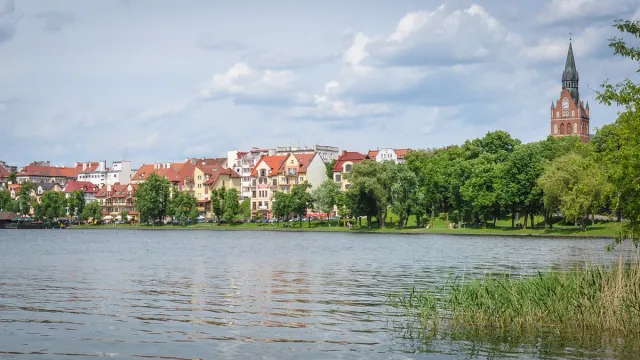
Ełk - spacer po mieście
People visit Masuria in summer to enjoy sailing on its countless lakes or kayaking down its clear rivers. Masurian towns and villages are then visited only to stock up on supplies or drop into a pub for a beer. Fortunately, the number of tourists who want to learn about the history of this land keeps growing. It is they, first and foremost, who should reach for the audio guide presenting the attractions of Ełk.
With this audio guide you cannot get lost – it starts near Ełk's railway station and leads straight along Armii Krajowej Street to the shore of the picturesque Lake Ełk. Meanwhile, the audio guide tells the long history of the town, from a settlement of the Old Prussians, through a town of the Teutonic Knights, to the arrival of the Poles. During the walk, the names of Gizewiusz, Małecki, Kajka and Lenz come up; we take a close look at 19th-century buildings: the church, schools, the post office and Art Nouveau tenement houses. At the end, we hear an invitation to take a ride on the "ciuchcia" – the little train.
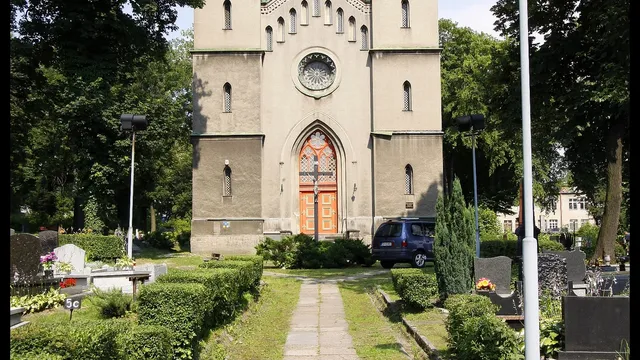
Chorzów - wycieczka po mieście
This industrial city intrigues with its complex history, which has room both for Chorzów, founded in the Middle Ages, and for the 19th-century Królewska Huta. During the tour, among other things, we will stroll along the stately "Wolka", see an interwar skyscraper and greet Friedrich von Reden, who rendered great services to Silesian industry.
So, let's meet in Chorzów!
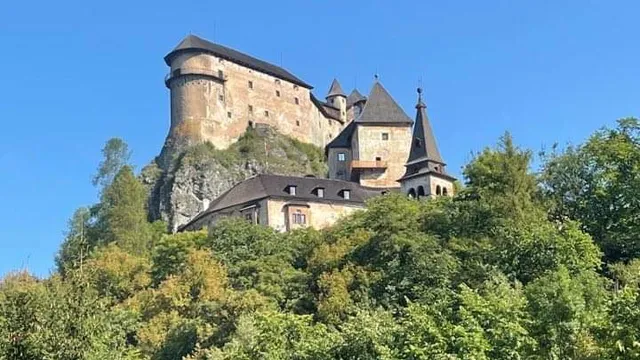
Zamek Orawski
Orava Castle in Oravský Podzámok, Slovakia, is one of the most spectacular fortresses in Central Europe. It rises on a high rock above the Orava River, and its walls and towers form a picturesque silhouette that filmmakers have used, among others, in the classic “Nosferatu”.
The audio guide takes you through the castle's successive levels and tells you about its history, owners and legends. With it, you can explore the fortress at your own pace, discovering the history of Orava step by step.
Ośrodek Edukacyjno - Muzealny Magurskiego Parku Narodowego
Magura National Park protects the forested ranges of the Low Beskids – a land of beech woods, fir forests, wild streams and abandoned Lemko villages. The gateway to this world is the Education and Museum Centre in Krempna, opened in 2005, where a large exhibition hall presents the park's landscape, plant life and animals through the changing seasons.
The audio guide helps you explore the exhibition at your own pace. It tells the story of the trees that grow in the park, the animals that live here and how the nature of Magura is protected. It is the perfect introduction before setting off on the mountain trails – for adults and younger nature lovers alike.

Tatrzańskie Pogranicze
The Tatra borderland is a land where highlander tradition intertwines with stunning nature at the foot of the Tatras. Wooden architecture, picturesque valleys and views of the Tatra peaks make this corner of Podhale enchanting in every season.
The Tatrzańskie Pogranicze app is a tourist guide to the region that will help you plan your trips and discover the most interesting places. The app is available on the App Store and Google Play.
Muzeum Paleontologiczne w Lisowicach
Lisowice is a small village in the Pawonków municipality in Silesia that has become world-famous for its extraordinary paleontological discoveries. The Paleontological Museum, open here since 2008, displays fossils more than 200 million years old from the Late Triassic – including the remains of Lisowicia bojani, a giant dicynodont, and of the first predatory dinosaur discovered in Poland, named the Wawel Dragon (Smok wawelski).
The audio guide will take you through the museum's exhibition and help you understand what the world these prehistoric animals lived in looked like. It is a great way to combine learning with adventure – for adults and young dinosaur fans alike.

Muzeum Absurdu w Barwicach
In Uradz in West Pomerania, in the Barwice municipality, on the grounds of a former manor farm, you will find a truly unique place – a museum that tells history with a wink. It brings together cult props from Polish comedies, historic vehicles and everyday objects that many still remember from the days of the Polish People's Republic.
The audio guide lets you explore the exhibition at your own pace and discover the stories behind each exhibit. Older visitors will feel a touch of nostalgia, while younger ones will learn what life was like for their grandparents – all with a generous dose of humour.

Zakład Utylizacji w Gdańsku
The Zakład Utylizacyjny (Waste Management Plant) in Gdańsk, located in Szadółki, handles municipal waste from Gdańsk and neighbouring municipalities. One of the plant's key facilities is the sorting plant, where waste is separated and sent on for further processing.
We prepared a mobile app that explains how waste is sorted and processed at the plant. The recordings lead visitors through the successive stages of the sorting plant's work and show what happens to waste after it has been collected from residents.
Zamość Wikarówka
Wikarówka is the former residence of the vicars of the cathedral parish and part of the historic cathedral complex in Zamość – a town that, as a pearl of the Renaissance, delights visitors from all over the world. Following extensive conservation work, the building has become a museum space and the ideal starting point for exploring the cathedral and its surroundings.
The interiors of Wikarówka present the history of the cathedral from the 17th century to the present day: its chancel, naves, chapels and crypts, as well as the works of art gathered within them. The audio guide lets you explore at a relaxed pace, in your own time, and notice details that are easy to miss.
Opinie klientów i turystów:
Audioprzewodnik to audioprzewodnik, który oprowadzi Państwa w multimedialny sposób po multimedialnym mieście Kraków.